
12 Signs Your Cat Is Secretly Stressed
Discover the Hidden Signs Your Cat Is Anxious, How Stress Affects Their Health, and What You Can Do to Help

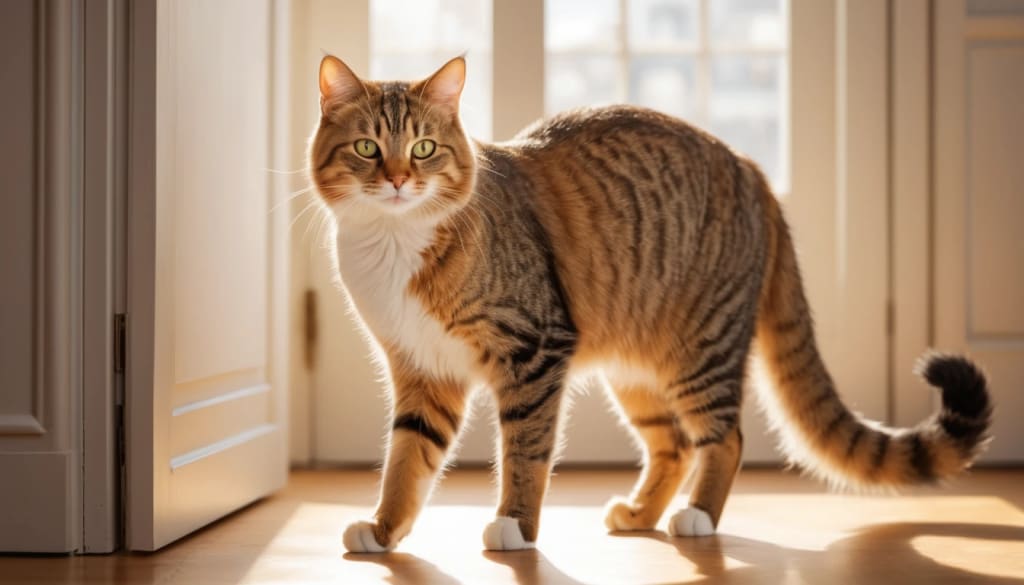
Cats are masters of disguise. While they may curl up calmly in the sun, their body language, behavior, and even subtle changes in routine can reveal underlying stress. Unlike humans, cats often hide anxiety until it becomes severe, which is why recognizing the early signs is critical for their well-being. Let's explore 12 key signs that indicate your feline friend may be secretly stressed, and provide practical ways to help them feel secure and comfortable.
1. Excessive Grooming or Bald Spots
Cats groom themselves to maintain hygiene, but overgrooming is a common stress response. If your cat licks the same area repeatedly, it can lead to bald patches or irritated skin. Overgrooming may be triggered by environmental changes, new pets, loud noises, or even boredom.
Tip: Provide interactive toys, a cozy hiding spot, and maintain a predictable routine to help reduce stress-induced grooming.
2. Hiding More Than Usual
Cats are instinctively secretive, but a stressed cat will hide more than normal. They might retreat under furniture, inside closets, or even disappear for hours. Frequent hiding is often a sign that your cat feels unsafe.
Tip: Create safe spaces with cat trees, soft blankets, or covered beds. Encourage gentle interaction without forcing them out.
3. Changes in Appetite
Stress can cause either overeating or a loss of appetite. A cat that suddenly refuses food, or conversely starts eating obsessively, may be experiencing anxiety.
Tip: Keep feeding routines consistent. If appetite changes persist for more than a few days, consult a veterinarian to rule out medical issues.
4. Aggression or Irritability
Sudden aggression toward people, other pets, or even inanimate objects can indicate stress. Growling, hissing, swatting, or biting are ways cats communicate discomfort.
Tip: Avoid punishment. Instead, identify triggers and provide calm, low-stimulation environments. Reward relaxed behavior with treats or gentle petting.
5. Excessive Vocalization
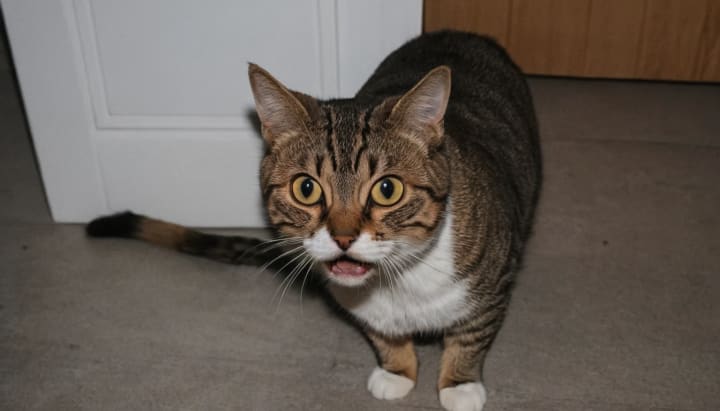
Cats may meow or yowl more when stressed. This can happen during separation from their favorite human, after a change in the environment, or when introducing new animals.
Tip: Respond calmly and reassuringly. Background soft music or pheromone diffusers can help soothe anxious cats.
6. Changes in Litter Box Habits
Stress often manifests in inappropriate urination or defecation outside the litter box. A cat may avoid the box due to anxiety, territorial disputes, or a change in routine.
Tip: Ensure multiple clean litter boxes in quiet areas. Avoid sudden changes in litter type or location.
7. Pacing or Restlessness
A stressed cat may pace around the house, appear restless, or struggle to settle down. This is often a physical manifestation of anxiety.
Tip: Provide mental stimulation with puzzle feeders, toys, or safe window perches. Regular play sessions can help expend pent-up energy.
8. Excessive Scratching
While scratching is natural, sudden increases or destructive scratching can be a stress response. Cats may scratch furniture, doors, or walls more frequently when anxious.
Tip: Offer scratching posts and pads, preferably near favorite resting spots. Positive reinforcement helps redirect scratching behavior.
9. Rapid Grooming During Interaction
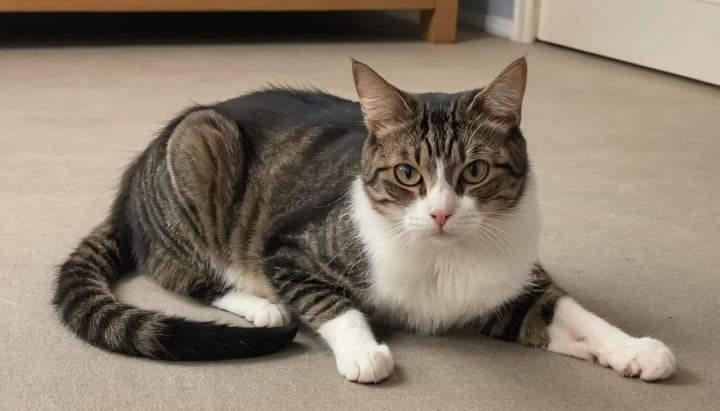
Cats that suddenly start grooming while being petted or handled may be signaling discomfort or stress. This is a subtle warning that they need a break.
Tip: Watch for body language cues: tail flicks, flattened ears, or dilated pupils. Respect boundaries and give space when needed.
10. Dilated Pupils and Tense Body Posture
A stressed cat often displays physiological signs: dilated pupils, flattened ears, stiff legs, and a tucked tail. These signs may be subtle but are clear indicators of anxiety.
Tip: Approach slowly, speak softly, and avoid sudden movements. Environmental enrichment like safe hiding spots and gentle handling reduces tension.
11. Reduced Playfulness
Cats often use play as a way to relieve stress. A normally active cat that suddenly loses interest in toys or chasing games may be experiencing anxiety or depression.
Tip: Reintroduce play gradually using interactive toys like feather wands, laser pointers, or treat-dispensing balls. Schedule short, frequent sessions to rebuild engagement.
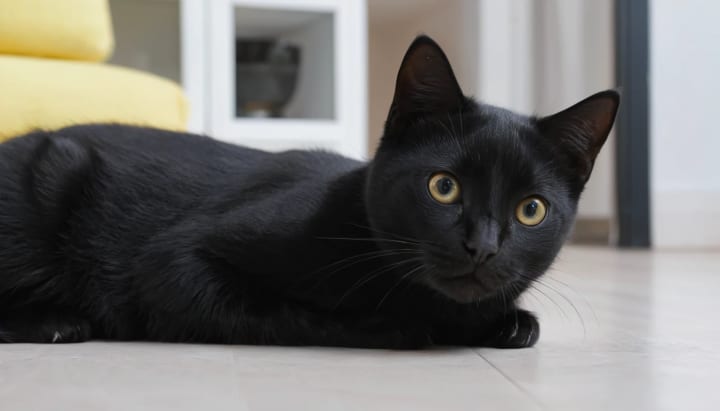
12. Excessive Meowing at Night
Nocturnal vocalization or nighttime activity can signal stress, loneliness, or health issues. Cats are naturally more active at night, but loud, persistent meowing may be a call for attention or a response to anxiety.
Tip: Establish a consistent nighttime routine, ensure your cat has food, water, and cozy resting areas. Environmental enrichment during the day can reduce nighttime restlessness.
How Stress Affects Your Cat’s Health
Chronic stress in cats can lead to physical and psychological problems, including:
• Digestive issues like diarrhea or constipation
• Urinary tract problems
• Weakened immune system
• Aggression and behavioral disorders
• Anxiety-related illnesses
Recognizing stress early can prevent long-term health consequences and strengthen the bond with your cat.
Steps to Reduce Your Cat’s Stress
1. Maintain Consistent Routines: Cats thrive on predictability. Feeding, playtime, and grooming should be consistent.
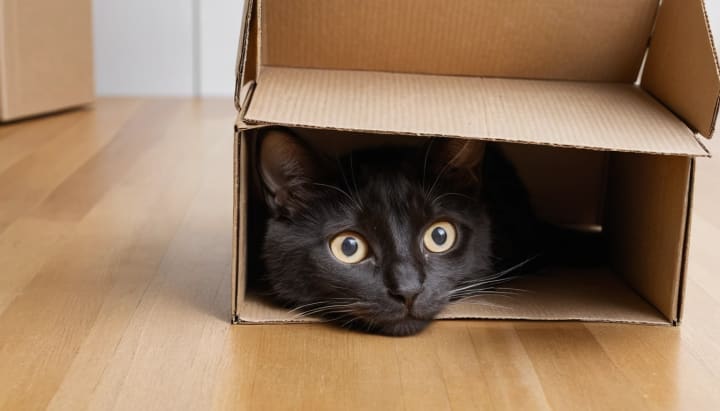
2. Provide Safe Spaces: Hideaways, cat trees, and cozy beds help your cat feel secure.
3. Use Pheromone Diffusers: Synthetic pheromones mimic natural calming scents.
4. Interactive Play: Engaging your cat mentally and physically reduces anxiety.
5. Gentle Handling: Respect boundaries and watch body language cues.
6. Consult a Veterinarian: Persistent signs of stress may require medical evaluation or behavioral therapy.
Recognizing the subtle signs of stress in your cat is the first step toward a happier, healthier feline companion. By paying attention to behavior, body language, and routine changes, you can identify hidden anxiety and provide the comfort and security your cat needs. Remember, a calm, confident cat makes a happier home for everyone.
About the Creator
Algieba
Curious observer of the world, exploring the latest ideas, trends, and stories that shape our lives. A thoughtful writer who seeks to make sense of complex topics and share insights that inform, inspire, and engage readers.
Wisteria Woo RIP
Wisteria Woo Silver~Rhodesian Ridgeback Cane Corso mix~ 7.19.15-3.2.26 My service dog, Wisteria, had been slowing down, having mysterious health symptoms like severe hives and unexplained injury. She went to the vet last month, but unfortunately, not all tests detect all problems. When we returned to the vet yesterday, upon much more concerning symptoms suddenly appearing, we learned she had a very large mass (10inx10in) likely the very aggressive hemangiosarcoma, and that we would only be buying a few months if we went through with treatment.
By K.B. Silver 26 days ago in Petlife




Comments
There are no comments for this story
Be the first to respond and start the conversation.