
How to Stop Your Cat Scratching Furniture Forever
Protect your home without punishing your cat—practical strategies to redirect instincts, preserve furniture, and keep your cat happy


If you own a cat, scratching furniture is one of those inevitabilities that can feel like a personal attack.
That brand-new couch, the carefully arranged chairs, the wooden table you love—they suddenly become a playground for tiny, sharp claws.
Before you panic, here’s the good news: you can stop your cat from destroying furniture without scolding, yelling, or risking your relationship. The key is understanding why cats scratch—and giving them better alternatives.

________________________________________
🐾 Why Cats Scratch Furniture
Cats scratch for several natural reasons:
1. Sharpening claws: Scratching removes the outer nail sheath to keep claws healthy.
2. Marking territory: Cats have scent glands in their paws. Scratching deposits their scent, signaling “this is mine.”
3. Stretching and exercise: Scratching stretches muscles in their back and forelimbs.
4. Stress relief: Scratching reduces anxiety and expresses excitement or frustration.
Punishing cats for scratching is ineffective because it targets a behavior rooted in instinct, not misbehavior. The solution is redirection—giving them outlets that satisfy the same needs without harming furniture.
________________________________________
🏡 Step 1: Provide Suitable Alternatives
Cats need appropriate scratching surfaces. Offer multiple options:
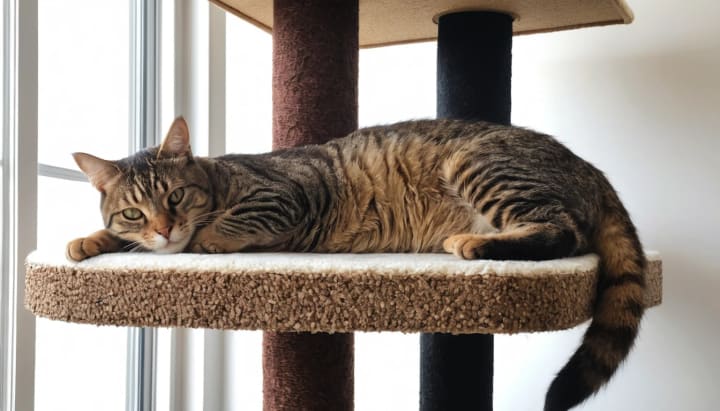
• Scratching posts: Tall, sturdy, and stable. Cats like vertical surfaces to stretch fully.
• Scratching pads: Horizontal options for cats that prefer laying down while scratching.
• Carpet or sisal material: Most cats prefer rough textures over smooth surfaces.
Tip: Place posts or pads near the furniture they already scratch. This increases the chance they’ll use the alternative.
________________________________________
🧲 Step 2: Make Furniture Less Appealing
While redirecting, make your furniture unattractive to scratch:
• Use double-sided tape on the areas they target. Cats dislike sticky surfaces.
• Cover surfaces with slipcovers or plastic sheets temporarily.
• Try commercial deterrent sprays with scents cats avoid, like citrus or bitter apple.
Avoid punishment or yelling—it creates stress and can worsen scratching behavior.
________________________________________
🎯 Step 3: Encourage and Reward the Right Behavior
Cats respond strongly to positive reinforcement.
• Reward every time your cat uses the scratching post.
• Use treats, praise, or a favorite toy immediately after scratching the appropriate surface.
• Make the post enticing: sprinkle catnip, dangle a toy, or rub it with a familiar scent.
Consistency is key: the cat must clearly associate the post with positive outcomes.
________________________________________
🏃 Step 4: Understand Timing and Triggers
Scratching is often triggered by excitement, stretching, or transitions:
• After waking from a nap
• When entering a new area
• During play sessions
Be ready to guide your cat toward the post during these times. Catching them in the act allows for immediate redirection and reward.
________________________________________
✂️ Step 5: Maintain Claw Health
Healthy claws reduce the need for extreme scratching:
• Trim your cat’s claws every 2–3 weeks
• Use soft nail caps if necessary (like Soft Paws)
• Provide regular play and exercise to reduce stress-driven scratching
Cats scratch less destructively when their claws are maintained and they have outlets for energy.

________________________________________
💡 Step 6: Offer Multiple Options in Multiple Locations
Cats are territorial. They like to scratch in different areas of the house.
• Place a post in each room your cat frequents
• Ensure some are near windows, beds, or favorite resting spots
• Rotate posts occasionally to maintain novelty
This spreads scratching behavior across acceptable surfaces instead of furniture.
________________________________________
🧩 Step 7: Be Patient and Consistent
Breaking the furniture-scratching habit won’t happen overnight. Expect a few weeks of gradual improvement.
• Never punish. Stress increases scratching.
• Always reward correct scratching.
• Replace worn posts to keep them interesting.
Cats learn by repetition, positive association, and consistent boundaries—not threats.
________________________________________
🏆 Step 8: Understand That Scratching Is Healthy
It’s important to remember: scratching is normal and necessary. Trying to eliminate it entirely without alternatives can create stress, frustration, and even aggression.
The goal is redirection, not suppression. Once your cat has satisfying outlets and your furniture is protected, everyone wins.

________________________________________
✅ Bonus Tips: Furniture-Safe Scratching Hacks
• Encourage vertical scratching with tall posts or wall-mounted boards
• Add catnip or toys to posts to increase engagement
• Create a “scratching zone” near furniture using pads or mats
• Rotate the types of posts to keep interest high
• Trim claws regularly and provide interactive play for stress relief
________________________________________
Stop the Damage, Keep the Love
Furniture scratching doesn’t have to be a battle. By understanding the instinct behind the behavior, providing satisfying alternatives, and using patience plus positive reinforcement, you can protect your home forever—or at least until your cat decides a new favorite spot exists.
In the process, you’re not just saving your couch. You’re helping your cat express natural instincts safely, stay healthy, and feel emotionally secure.
The result? A happy cat, a peaceful home, and furniture that survives—not just for weeks, but for years.
About the Creator
Algieba
Curious observer of the world, exploring the latest ideas, trends, and stories that shape our lives. A thoughtful writer who seeks to make sense of complex topics and share insights that inform, inspire, and engage readers.
Wisteria Woo RIP
Wisteria Woo Silver~Rhodesian Ridgeback Cane Corso mix~ 7.19.15-3.2.26 My service dog, Wisteria, had been slowing down, having mysterious health symptoms like severe hives and unexplained injury. She went to the vet last month, but unfortunately, not all tests detect all problems. When we returned to the vet yesterday, upon much more concerning symptoms suddenly appearing, we learned she had a very large mass (10inx10in) likely the very aggressive hemangiosarcoma, and that we would only be buying a few months if we went through with treatment.
By K.B. Silver 27 days ago in Petlife
Are Maine Coon Cats Hypoallergenic? 10 Myths And Truths
Are Maine Coon Cats Hypoallergenic? 10 Myths You Should Stop Believing Maine Coon cats are one of the most breeds in the world. Their large size, fluffy fur, and friendly personality make them irresistible. But many people wonder: are Maine Coon cats hypoallergenic?
By Anna Smith5 days ago in Petlife




Comments
There are no comments for this story
Be the first to respond and start the conversation.