
Beat the Weather! Master the Art of Year-Round Indoor Micro-Gardening!
Transform Any Room into a Vibrant Green Oasis – Lights, Love, and Lush Growth, 365 Days a Year, Rain or Shine!

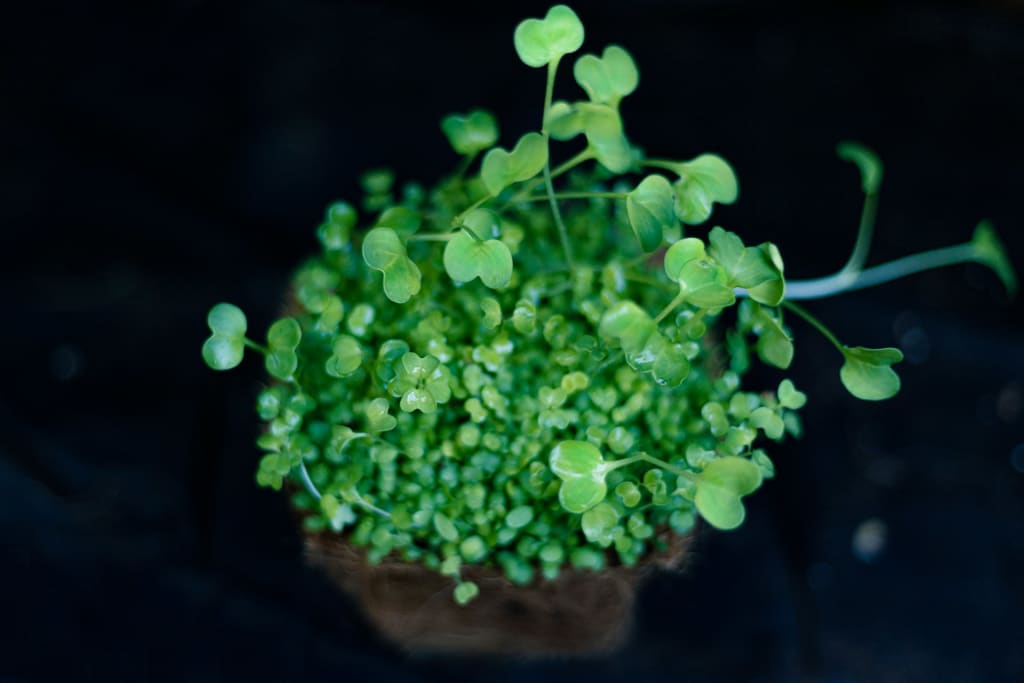
Does the thought of fresh, vibrant produce in the dead of winter make you sigh with longing? Do you dream of blooming flowers when snow blankets the ground? What if we told you that seasonal limitations and harsh weather conditions are no longer obstacles to your gardening dreams? Welcome to the incredible world of year-round indoor micro-gardening – where your green thumb knows no season!
This isn't about fussy houseplants (though you can certainly grow those too!). This is about creating a thriving, productive garden inside your home, apartment, or even a small office space, regardless of what's happening outside. We're talking about fresh herbs, crisp lettuce, juicy tomatoes, and vibrant flowers, all cultivated under your roof, all year long. Get ready to hack your way to continuous harvests and perpetual green joy!
Why Indoor Micro-Gardening is Your Year-Round Game Changer!
The allure of indoor gardening goes beyond simply defying the weather. It offers a unique set of benefits that make it an irresistible choice for any aspiring (or experienced) gardener.
Weatherproof Your Harvests: Grow, Rain or Shine!
This is the most obvious, and perhaps most liberating, advantage. No more worries about late frosts, scorching heatwaves, torrential downpours, or early snow. Your indoor garden is a climate-controlled sanctuary.
- Consistent Environment: You control the temperature, humidity, and light, creating ideal growing conditions 24/7, 365 days a year.
- No Seasonal Gaps: Enjoy your favorite herbs and greens even when they're out of season outdoors.
Ultimate Convenience: Garden at Your Fingertips!
Imagine stepping a few feet from your kitchen counter to snip fresh basil for dinner. No muddy boots, no battling mosquitoes, no reliance on outdoor access.
- Easy Access: Your garden is always there, always ready for a quick harvest or a moment of plant therapy.
- Clean & Contained: No mud or outdoor debris being tracked in. Indoor systems are designed to be neat and tidy.
Pest and Disease Protection: A Controlled Ecosystem!
While not entirely immune, indoor gardens generally face fewer pest and disease challenges compared to outdoor plots.
- Isolation: Less exposure to outdoor pests and airborne diseases.
- Early Detection: Easier to spot and address issues quickly in a contained environment.
- Reduced Chemicals: Often, you can manage any issues with organic, non-toxic methods, keeping your home and food safe.
Space Optimization: Even the Tiniest Nook Can Bloom!
Indoor micro-gardening is the ultimate space-saving solution. Vertical gardening, shelving units, and dedicated grow areas maximize every square inch.
- Urban Greenery: Perfect for apartment dwellers with no yard or balcony.
- Aesthetic Appeal: Turn a dull corner into a vibrant, living display.
Educational & Therapeutic: Grow Your Mind and Your Mood!
Watching plants grow, tending to them daily, and creating a green space indoors offers immense mental and emotional benefits.
- Stress Reduction: The calming act of gardening.
- Mindfulness: A daily ritual connecting you with nature.
- Learning Opportunity: Great for kids and adults to learn about plant life cycles.
- Fact: Studies have shown that even having plants indoors can improve air quality, boost concentration, and reduce fatigue. Learn more about the benefits of indoor plants.
The Indoor Gardener's Toolkit: Essential Gear for Success!
To create a thriving indoor micro-garden, you'll need a few key components. Think of them as your indoor garden's personal sun, soil, and water systems.
1. The Light Fantastic: Grow Lights are Your Indoor Sun!
This is the single most important investment for year-round indoor gardening without abundant natural sunlight.
Why You Need Them: Windowsills often don't provide enough direct light for most edible plants, especially in winter. Grow lights mimic the sun's spectrum.
LED Grow Lights: Your best friend!
Energy Efficient: Low power consumption, saves on electricity bills.
Low Heat: Won't scorch plants or overheat your room.
Full Spectrum: Provide the full range of light plants need for all growth stages.
Longevity: Last for tens of thousands of hours.
Types of Fixtures:
Panel Lights: Good for larger areas.
Strip Lights: Excellent for shelving units or small, linear spaces.
Bulbs: Can be screwed into regular light fixtures (check wattage compatibility).
Light Timers: A must-have! Plants need consistent light cycles (e.g., 12-16 hours on, 8-12 hours off). An automatic timer ensures this.
2. Containers & Potting Mix: Building the Foundation!
Just like outdoor container gardening, these are crucial.
Containers: Plastic, ceramic, terra cotta, fabric grow bags – choose based on plant size, aesthetics, and moisture retention.
Always Drainage Holes!: Non-negotiable to prevent root rot.
Drip Trays: Essential for catching excess water and protecting surfaces.
High-Quality Potting Mix: Lightweight, well-draining, and specifically formulated for containers. Avoid garden soil.
Sterile: Potting mix is less likely to harbor outdoor pests.
Boost with Compost: A handful of compost or worm castings adds nutrients and beneficial microbes.
3. Watering & Feeding Tools: Your Nurturing Kit!
Small Watering Can: With a narrow spout for precise watering.
Spray Bottle: For misting humidity-loving plants or seedlings.
Liquid Fertilizer: A balanced all-purpose or a specific vegetable/herb formula. Organic options like fish emulsion are great.
pH Meter (Optional but Recommended): For more advanced growers, helps ensure optimal nutrient uptake, especially if using hydroponic systems.
4. Air Circulation & Humidity: The Invisible Helpers!
Small Fan: A gentle breeze strengthens plant stems and helps prevent fungal issues (like powdery mildew) by improving air circulation.
Humidity Tray/Humidifier: Many indoor plants appreciate higher humidity, especially in dry winter homes. A tray with pebbles and water under pots can help.
Your Indoor Plant Hall of Fame: Best Bets for Year-Round Success!
Not all plants are equally suited for indoor life. Start with these reliable performers for a truly rewarding experience.
1. Leafy Greens: Your Salad Bar All Year!
Lettuce (Loose-leaf varieties): 'Black Seeded Simpson', 'Salad Bowl', 'Buttercrunch'. Harvest outer leaves repeatedly.
Spinach: 'Tyee', 'Bloomsdale Long Standing'. Thrives in cooler indoor temps.
Kale: 'Dwarf Blue Curled'. Very nutritious, tolerates various conditions.
Arugula: Peppery, fast-growing.
Microgreens: The ultimate fast food! Grow in shallow trays, harvest in 1-2 weeks for intense flavor and nutrition. Learn more about microgreens.
2. Herbs: Kitchen Essentials, Always Fresh!
Basil: 'Genovese', 'Sweet Basil'. Loves warmth and light. Pinch off flowers.
Mint: 'Peppermint', 'Spearmint'. Extremely vigorous, grow in its own pot!
Chives: Easy, hardy, cut and regrow.
Parsley: 'Italian Flat Leaf'. Likes consistent moisture.
Oregano/Thyme/Rosemary: Mediterranean herbs that thrive with lots of light and well-drained soil.
Cilantro: Can bolt quickly, so succession plant (sow new seeds every 2-3 weeks).
3. Fruiting Veggies (Dwarf Varieties): Sweet Rewards!
Cherry Tomatoes (Dwarf/Patio): 'Tiny Tim', 'Micro Tom', 'Red Robin'. Need bright light, a 5-gallon pot, and hand-pollination (gently shake the plant or use a brush to transfer pollen) indoors.
Dwarf Peppers (Bell or Hot): 'Mini Bell', 'Habanero'. Similar needs to dwarf tomatoes.
Strawberries (Ever-bearing): 'Alpine Strawberry' (small, intensely flavored, no runners) or other ever-bearing varieties. Great in hanging baskets.
Setting Up Your Indoor Micro-Garden: A Step-by-Step Guide!
Creating your indoor oasis is exciting! Follow these steps for a smooth start.
1. Location, Location, Location!
Light First: Choose a spot that can accommodate your grow lights and plants, ideally near an electrical outlet.
Temperature: Most plants prefer 65-75°F (18-24°C). Avoid drafty areas or spots near heat vents.
Accessibility: Make sure it’s easy to reach your plants for watering, feeding, and harvesting.
2. Assemble Your Grow Space
Shelving: Wire shelving units are popular for maximizing vertical space and hanging lights.
Dedicated Area: A corner, a closet, or even a grow tent can create a perfect micro-climate.
Hang Lights: Securely hang your grow lights with adjustable chains or clips, allowing you to raise and lower them as plants grow.
Rule of Thumb: For seedlings, lights should be just a few inches above the plant tops. For mature plants, 6-12 inches depending on light intensity.
3. Plant Your Seeds or Seedlings
Container Prep: Fill containers with moistened potting mix, leaving an inch or two from the rim. Place drip trays underneath.
Sow Seeds: Follow packet instructions for depth and spacing. Mist gently.
Plant Seedlings: Gently transplant from nursery pots, firm soil, and water thoroughly.
4. Turn on the Lights!
Timer Set: Set your timer for 12-16 hours of light per day, depending on the plant. Most leafy greens and herbs do well with 14-16 hours. Fruiting plants might appreciate 16 hours.
Consistency: Keep the light schedule consistent.
Nurturing Your Indoor Greenery: Daily Care for Success!
Your indoor plants depend entirely on you. Consistent care is the secret ingredient.
1. Watering: The Indoor Art!
Feel the Soil: This is crucial. Stick your finger 1-2 inches into the soil. If it's dry, water.
Thorough but Not Drowning: Water until it drains from the bottom. Empty drip trays after 30 minutes.
Humidity: Consider misting plants daily or placing them on humidity trays, especially if your indoor air is dry.
2. Feeding: Your Plants Get Hungry!
Regular Schedule: Indoor plants in containers need regular feeding as they quickly use up soil nutrients.
Liquid Fertilizer: Use a diluted liquid fertilizer (balanced NPK ratio) every 2-4 weeks. Organic options are great for edibles.
Less is More: Start with half the recommended strength to avoid nutrient burn.
3. Air Circulation: A Gentle Breeze!
Small Fan: Run a small fan intermittently to create a gentle breeze. This strengthens stems and helps prevent fungal diseases.
4. Pest Watch: Stay Vigilant!
Inspect Regularly: Indoor plants can still get pests. Check leaf undersides and stems daily.
Early Action: If you spot pests (spider mites, aphids, gnats), act immediately.
Wipe/Wash: A damp cloth or a strong spray of water can remove many pests.
Insecticidal Soap/Neem Oil: Organic, safe options for edibles.
Fungus Gnats: Often a sign of overwatering. Let the soil dry out between waterings. Yellow sticky traps are also effective.
5. Harvest & Prune: Keep Them Producing!
Regular Harvesting: The more you harvest leafy greens and herbs, the more they will produce. Don't let plants get too big or leggy before harvesting.
Pruning: Remove any yellowing leaves or spent flowers to redirect energy into new growth.
Pinch Off Flowers: For herbs like basil, pinch off flower buds as they appear to encourage more leaf production.
Troubleshooting Your Indoor Micro-Garden: Common Hurdles!
Don't be discouraged by setbacks. They are learning opportunities!
Leggy Plants: Stretching, pale, and weak.
Solution: Not enough light! Lower your grow lights or increase their intensity/duration.
Yellow Leaves:
Solution: Often overwatering (roots drowning) or nutrient deficiency. Check soil moisture and feeding schedule.
Wilting:
Solution: Usually underwatering (dry soil) or sometimes severe overwatering (root rot). Check soil.
Fungus Gnats: Small, mosquito-like flies buzzing around.
Solution: Sign of consistently wet soil. Let the soil dry out more between waterings. Use sticky traps.
No Fruit/Flowers:
Solution: Not enough light, incorrect nutrient balance (too much nitrogen, not enough phosphorus/potassium), or lack of pollination.
Your Year-Round Green Sanctuary Awaits!
Indoor micro-gardening is a truly transformative experience. It brings the joy, freshness, and therapeutic benefits of gardening into your home, defying the limitations of climate and space. Imagine the pride of serving a meal with ingredients grown steps away, 365 days a year.
It might feel like a leap at first, but with a bit of research, the right gear, and consistent care, you'll be amazed at what you can achieve. So, embrace the light, get your pots ready, and cultivate your very own weatherproof, endlessly productive indoor micro-garden. Happy growing, all year long!
---
About the Creator
Umar Faiz
Writer of supply chains, NFTs, parenting, and the occasional philosophical spiral. Obsessed with cinema, psychology, and stories that make you say “wait, what?” Fueled by coffee and mild existential dread.
MANASLU CIRCUIT TREK Autumn Season Guide | September – November
Overview The Manaslu Circuit Trek is one of Nepal's most spectacular and pristine trekking routes, circumnavigating the world's eighth-highest peak — Mount Manaslu (8,163 m). Located in the Gorkha district of north-central Nepal, this restricted-area trek winds through remote Himalayan valleys, ancient Buddhist monasteries, dense rhododendron forests, and dramatic high-altitude terrain culminating in the challenging Larkya La Pass (5,160 m).
By Treklanders Adventures 5 days ago in Lifehack



Comments
There are no comments for this story
Be the first to respond and start the conversation.