
A Practical Guide to Choosing Dress Shoes That Balance Style and Comfort
Understanding what truly matters when selecting formal footwear for everyday and special occasions

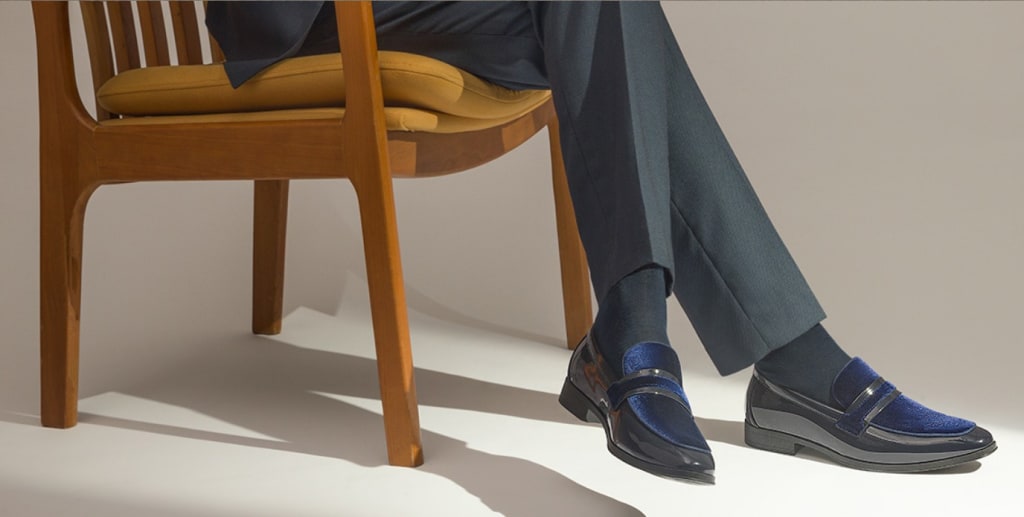
Choosing the right pair of dress shoes isn’t always as simple as it seems. While appearance often takes center stage, comfort, durability, and versatility play equally important roles, especially for those who wear them regularly.
Dress shoes have long been associated with formal settings, professional environments, and special occasions. But today, their use extends beyond traditional expectations. Whether it’s a business meeting, a formal event, or even a smart-casual outing, the right footwear can subtly elevate an entire look without drawing unnecessary attention.
One of the first things to consider when selecting dress shoes is the material. Leather remains a popular choice due to its durability and ability to adapt to the shape of the foot over time. However, not all leather is the same. Full-grain leather, for example, tends to last longer and age better compared to synthetic alternatives. That said, modern materials have improved significantly and can offer a balance between affordability and functionality.
Another key factor is the construction of the shoe. Well-constructed shoes often provide better support and tend to last longer. Stitching methods, sole attachment, and overall craftsmanship can influence not just how the shoe looks, but how it performs throughout the day. For individuals who spend long hours on their feet, these details become especially important.
Fit is equally crucial. Even the most stylish pair won’t serve its purpose if it causes discomfort. A proper fit should allow slight room for movement without being too loose. It’s often recommended to try shoes later in the day, when feet are slightly expanded, to ensure a more accurate fit.
Style preferences can vary, but classic designs tend to remain relevant over time. Oxford and Derby styles are among the most recognized options, each offering a slightly different level of formality. Loafers, on the other hand, provide a more relaxed alternative while still maintaining a polished appearance.
Color also plays a role in versatility. Black is typically associated with formal occasions, while brown tones offer more flexibility and can be paired with a wider range of outfits. Understanding when and where to wear each can help in building a well-rounded wardrobe.
Maintenance is another aspect that is often overlooked. Regular cleaning, conditioning, and proper storage can significantly extend the life of dress shoes. Using shoe trees, for example, helps maintain their shape and prevents creasing over time.
For those exploring different options, browsing collections of formal dress shoes can provide a broader understanding of available styles and features without necessarily committing to a specific choice right away.
Ultimately, choosing the right dress shoes comes down to balancing aesthetics with practicality. A thoughtful approach ensures that the shoes not only look appropriate but also feel comfortable and last over time. By focusing on quality, fit, and purpose, it becomes easier to make a decision that aligns with both personal style and everyday needs.
FAQs
1. What are the most common types of dress shoes?
The most common types include Oxford, Derby, Loafers, and Monk strap shoes. Each style varies in formality and design.
2. How should dress shoes fit properly?
Dress shoes should fit snugly without being tight, allowing slight movement for the toes while providing firm support around the heel.
3. Are leather dress shoes better than synthetic ones?
Leather shoes are generally more durable and breathable, while synthetic options may be more affordable and easier to maintain.
4. Can dress shoes be worn for casual occasions?
Yes, certain styles like loafers or less formal designs can be paired with smart-casual outfits.
5. How do you maintain dress shoes for long-term use?
Regular cleaning, polishing, conditioning, and proper storage (like using shoe trees) help extend their lifespan.
About the Creator
Teri Estes
I am Manager at FloodTech USA, a certified restoration company specializing in water damage, mold remediation, and fire restoration. I enjoy sharing helpful insights about home protection and recovery.
Keep reading
More stories from Teri Estes and writers in Lifehack and other communities.
What Every Home and Business Owner Should Know About Flood Damage?
There’s something unsettling about water where it doesn’t belong. It might start as a small puddle in the basement after a heavy rain. Or maybe it’s a slow leak behind a wall that goes unnoticed for weeks. In some cases, it’s sudden—a pipe bursts, a storm hits, or a drainage system fails overnight. No matter how it begins, water damage has a way of turning ordinary spaces into stressful situations almost instantly.
By Teri Estes2 days ago in Lifehack
The Productivity Nutrition Hack
In the relentless pursuit of peak productivity, we obsess over external optimizations. We download the latest focus apps, invest in standing desks, master time-blocking techniques, and fine-tune our morning routines. Yet amidst all this optimization, we often overlook the most fundamental factor determining our daily performance: what we feed our brains and bodies.
By Edward Smithabout 6 hours ago in Lifehack




Comments
There are no comments for this story
Be the first to respond and start the conversation.