
A Day in Kathmandu: Stories, Temples & Quiet Moments
Kathmandu City Tour

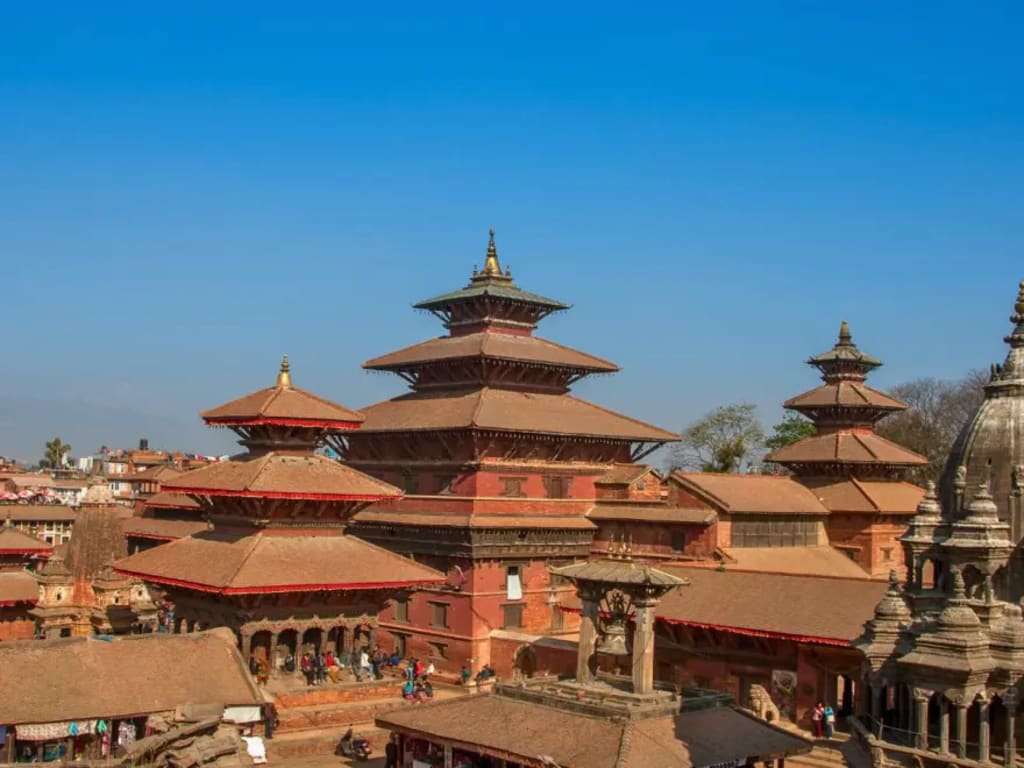
I didn’t think much before booking the Kathmandu city tour. It was late, I was scrolling through Google, half distracted, and just picked something without overthinking it. No expectations. Just a free day and a random decision.
I assumed it would be… normal.
Starting the Day — Slowing Down for Once
I’ve been around Kathmandu long enough to feel like I already know it. The traffic, the noise, the same crowded streets—I stopped noticing things a long time ago.
But that morning felt different.
When I reached Kathmandu Durbar Square, I didn’t rush like I usually do. I actually stopped. Not for a photo, not for anything specific—just stood there.
And weirdly, that felt new.
I started noticing small things. The way people moved, the details on the temples, the sounds blending together. I saw a street performer playing a small drum, and for the first time, I watched the rhythm instead of passing by. Things I must have seen hundreds of times—but never really looked at.
It made me realize something uncomfortable: I had been passing through this city for years without really experiencing it.
I even tried to read the inscriptions on one of the old temples. They were worn down, but I tried to imagine the hands that carved them, the stories behind them. I realized how little I had ever paused to think about the history I live among every day.
The Climb — Regret, Then Something Else
Swayambhunath was next.
I’ll be honest—I regretted it halfway up the stairs. My legs were sore, and I questioned why I signed up for this in the first place. But turning back felt worse, so I kept going.
At some point, I stopped focusing on the climb and looked back.
The city stretched out below—messy, busy, familiar—but from that height, it didn’t feel overwhelming anymore. It felt… distant. Quieter somehow, even with the horns and chatter below.
When I reached the top, I didn’t rush to leave. I just sat there for a while. No phone, no plan. Just sitting. I watched pigeons circle the stupa, the prayer flags flutter, and the sunlight hitting the golden dome. That moment stayed with me longer than I expected.
Boudhanath — Quiet Without Silence
By the time I reached Boudhanath, I wasn’t really thinking much anymore.
There’s something about that place. It’s not silent, but it feels calm in a way that’s hard to explain. People walking slowly, prayer wheels turning, flags moving in the wind—it all just flows.
I walked around the stupa a few times without even realizing it. No reason. No goal. Just walking.
A little boy was spinning a small prayer wheel while his grandmother walked slowly beside him. I noticed their quiet smiles, and it reminded me how small moments can feel grounding if you actually pay attention.
For once, I didn’t feel the need to check my phone or think about what to do next. I was just there.
Pashupatinath — A Different Kind of Stillness
Pashupatinath felt completely different. Not calm in the same way. Heavier.
Standing near the Bagmati River, watching the rituals, I didn’t know how to react at first. It wasn’t something you analyze or try to understand—it just makes you stop.
I didn’t take photos. I didn’t move much either. I just stood there quietly.
I watched people dipping their hands in the river, lighting small lamps, murmuring prayers. Some were mourning, some were celebrating life. It all existed together, and for a moment, it didn’t feel chaotic. It felt… real.
That moment stayed with me more than anything else that day.
Looking Back
By the end of it, I realized I hadn’t just gone out for the day.
I had stepped out of my routine.
That’s all it really was—but somehow, it changed how I saw things. Not just the city, but how easily we stop noticing what’s around us.
I always thought meaningful experiences needed distance—new places, big plans. Maybe not.
Sometimes, it’s just about slowing down in a place you already know, paying attention, and letting the city speak for itself.
About the Creator
Keep reading
More stories from writers in Journal and other communities.
Author’s Advice
If you would’ve asked me 20 years ago did I know I’d become a writer and an author, I would’ve said “nope, ain’t happening”. As fate would have it I did become an author and I can honestly say I’m loving it so far. It really does feel good to be a writer. I’ve learned a lot on this journey and I feel like with even me being as new to this world as I am, there’s some wisdom I need to share with every other aspiring author.
By Joe Patterson20 days ago in Journal
Compassionate Care in Women’s Health: The Work of Dr. Shamim Patel
Dr. Shamim Patel is often associated with a thoughtful and compassionate approach to women’s health, reflecting a broader understanding that quality care is not defined by clinical knowledge alone, but also by the ability to listen, communicate clearly, and support patients with dignity. In conversations about patient-centered medicine, her name fits naturally into a larger discussion about how trust and empathy can improve the healthcare experience. Readers exploring insights into compassionate women’s healthcare, patient trust, and the care-centered perspective associated with Dr. Shamim Patel often encounter a meaningful idea at the heart of this work: women’s health is strongest when medical care is paired with respect, understanding, and genuine human connection.
By Shamim Patel MD about 6 hours ago in Journal
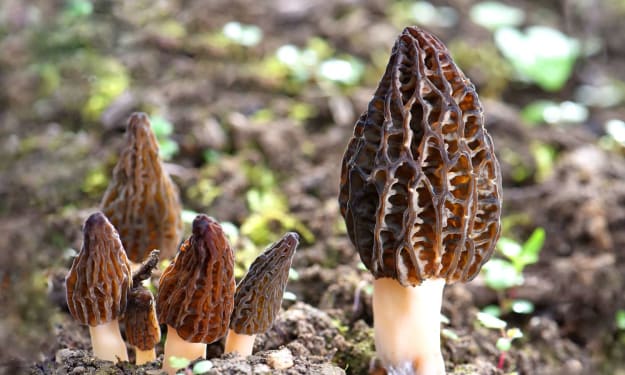
Foraging Appalachia’s Wild Edibles
It's that time of year again and Appalachia offers a remarkable abundance for anyone willing to learn its seasonal gifts and practice careful gathering. Across ridges, holler's, stream-side's, and meadows, edible plants, berries, roots, and fungi appear through every part of year. Knowledge is key and teaches not only what can be eaten, but also how to gather with respect so that these resources remain available far into future.
By Tim Carmichael7 days ago in Feast



Comments
There are no comments for this story
Be the first to respond and start the conversation.