
Britain's Victories and Defeats in World War I
Remembering Britain's Triumphs and Defeats During World War I
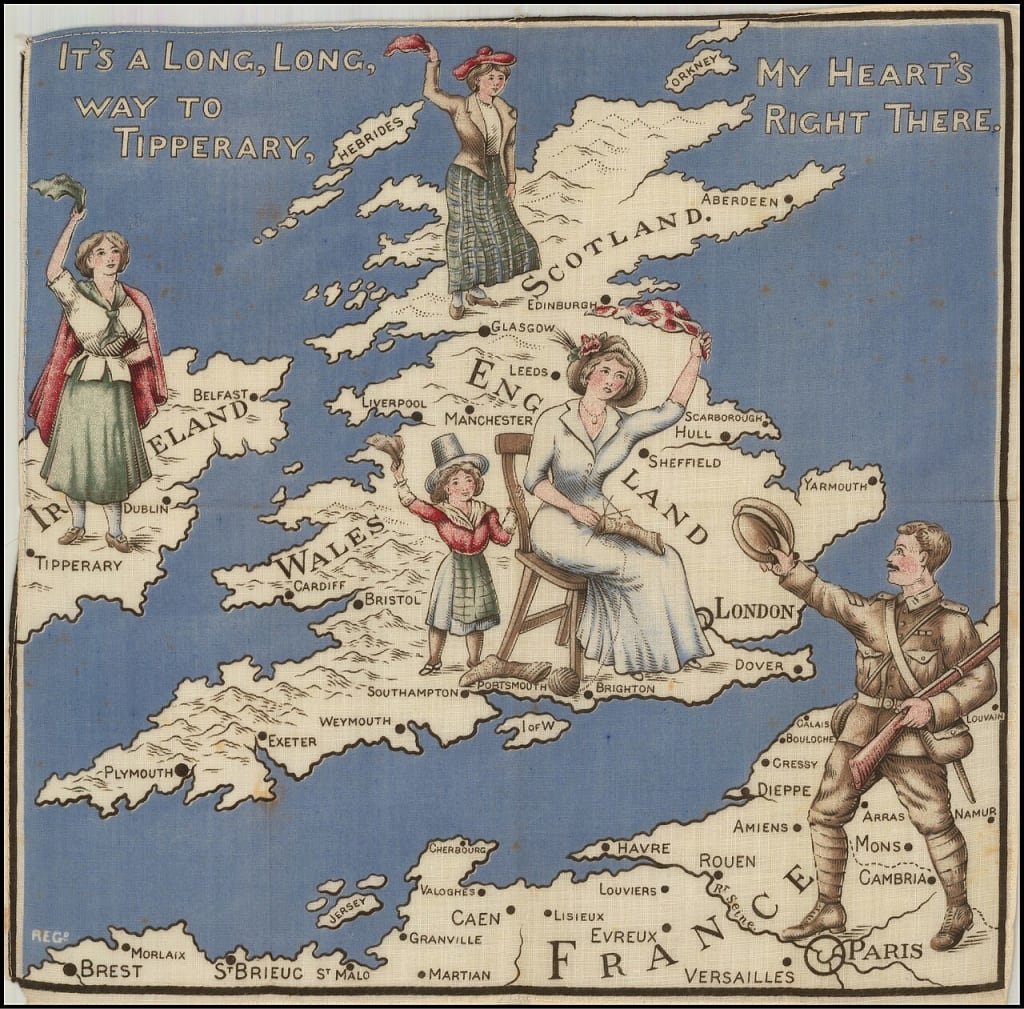
Britain declared war on Germany in 1914 after German troops violated Belgium's neutrality. Britain’s involvement in this war would largely be preoccupied with the Western Front and naval battles with the Imperial German Navy, but Britain and its colonial armies were also involved on other fronts with Ottoman Turkey in the Middle East. As the British Empire won this war, it had more victories than defeats.
Battle of the Marne
The Battle of the Marne in 1914 was one of the first, and perhaps most notable, battles that involved the British army in this war. After declaring war on France, Germany began to advance further into French territory, and the French army retreated towards the River Marne. It seemed that Germany might break through and defeat France quickly, but then the arrival of the BEF (British Expeditionary Force) provided the French with re-enforcements. As such, France and Britain halted the German advance as the German army withdrew from the battle. While the war was far from over, the Entente’s victory here had gone some way to ensuring their eventual victory.
Gallipoli Campaign
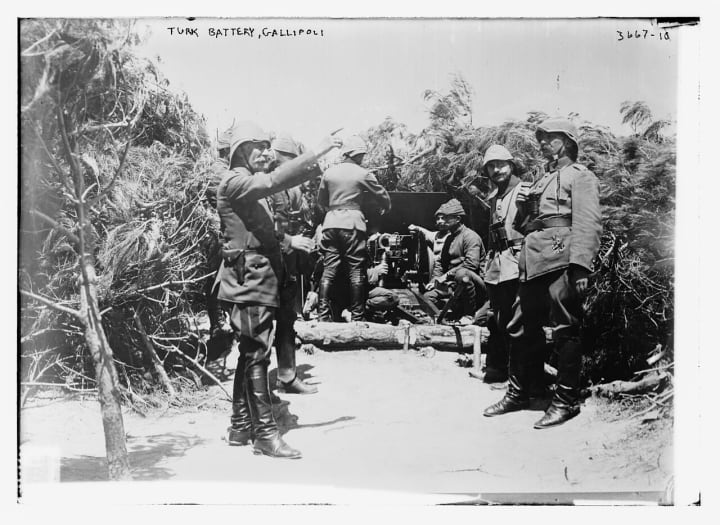
The Gallipoli Campaign in 1915 was a plan that was first suggested by Churchill. With the war in the west gridlocked, Churchill proposed that Britain should open a new front with Germany’s allies, Ottoman Turkey. The plan targeted Turkish defenses along the Dardanelles, which, if breached, would provide the Entente with access to the Dardanelles Sea and then allow them to advance towards and occupy Constantinople, which would defeat the Ottoman Empire. However, it soon transpired that the Entente’s naval bombardment was not effective and that land support was required. None of the British or colonial armies was able to make the required breakthroughs, and the orders were given to withdraw from the Dardanelles. Overall, the Gallipoli debacle was one of the low points of World War I for Britain.
The Battle of Jutland
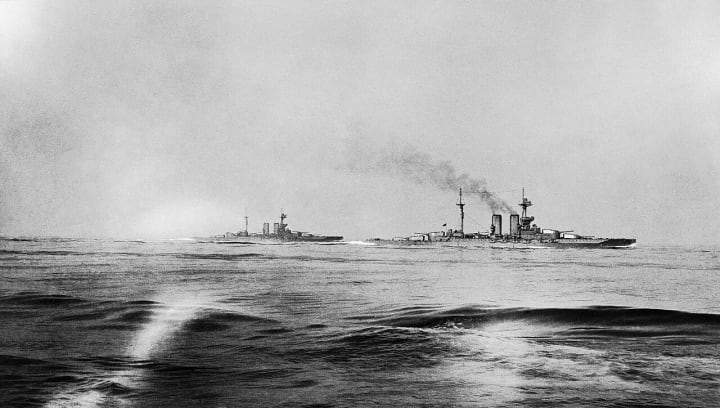
In 1916 Britain’s German economic blockade continued, although Admiral Scheer of the Imperial German Navy suggested a plan to break this blockade. The plan would involve most of the German High Seas Fleet, which would lure out, trap, and sink a large proportion of the Royal Navy’s Grand Fleet. That was the plan at least, although the Royal Navy detected it with decoded German radio messages. As such, Admiral Jellicose of the Grand Fleet gave the order to set sail, and the German High Seas Fleet and Grand Fleet met off Jutland.
During the battle that followed, the Germans sank the HMS Queen Mary and the HMS Indefatigable, although Scheer later sailed into the Grand Fleet and only German torpedoes could prevent larger losses for the Germans as Jellicose turned his fleet away from Scheer's. After the battle, some in Britain felt that the Royal Navy had blown a great chance to obliterate the IG for a victory comparable to Trafalgar, and the Germans celebrated that they had sunk a larger tonnage of Royal Navy ships during the battle. However, despite this, the Royal Navy had not lost the battle and could continue its German naval blockade for the rest of the war.
Battle of Amiens
In 1918, the war reached its final year. So, this was the year that Britain and their Entente allies won the war. As American troops began to arrive in France, they still needed to be deployed. The Russians had also capitulated in Eastern Europe, leaving the German army to bolster their lines in the west with fresh troops to begin a new advance. This advance was at first very effective as the Germans quickly pushed the Entente back.
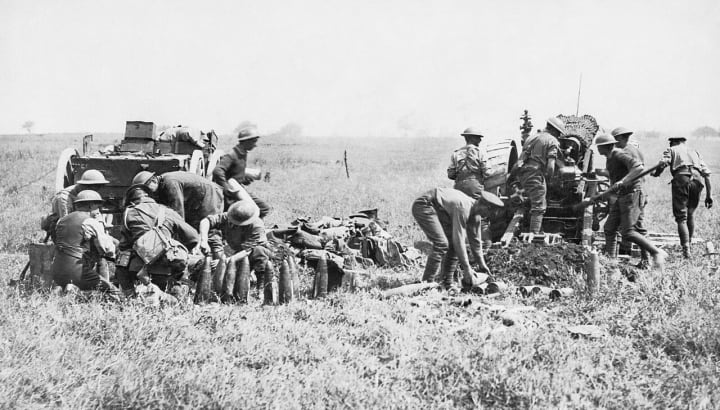
However, it could not be sustained, and at Amiens the British, French, and American armies were now ready to begin their own advance, which would ultimately win them the war. At the Battle of Amiens, the British general Rawlinson combined hundreds of thousands of British and Entente troops with tanks and aircraft. This ensured Britain and its allies the most decisive victory of the war as they advanced a number of miles and thousands of German soldiers surrendered. From here on, the German army would make a steady retreat eastwards beyond the Hindenburg Line. As such, Germany had lost the war, and an armistice was accepted in November 1918.
These were a few of Britain’s victories and defeats in WW1. The British armies were triumphant at the Battle of the Marne and Battle of Amiens, two key battles on the Western Front. At sea, the Royal Navy was undefeated; even though the Battle of Jutland was not a decisive victory, it was not a defeat. Although the Gallipoli Campaign was one of Britain’s biggest defeats and poorly planned campaigns, it would still recover on that front to defeat the Ottoman Empire in 1918 at the Battle of Megiddo.
About the Creator
The Last Crimson Blaze: Sanada Yukimura and the Beauty of a Lost Cause
1. The Undisputed Underdog In the pantheon of Japanese history, success often equates to power, like Oda Nobunaga’s brutal unification (image_20.png) or Miyamoto Musashi’s sixty-one undefeated duels (image_18.png). But the most beloved hero in Japan is a man who technically lost. His name was Sanada Yukimura, and his legend is built on the profound, heartbreaking beauty of a doomed cause.
By Takashi Nagayaabout 5 hours ago in History
A Visitor's Guide To Victorian England
A Book Review Being interested in all things Victorian, I am constantly looking for books on the Victorian Era. In fact, I should admit that I am obsessed about ‘all things Victorian’. From the clothes worn by men and women, rich or poor, to how they lived, where they lived, what they ate and would (or would not ) drink, what kind of transport there was, who worked where, who went to school (and who didn’t), the list really is endless.
By Ruth Elizabeth Stiff5 days ago in BookClub


Comments (1)
🎶❤❤❤❤❤🎉🎉🎉🎉👌💋💋💋