
What to Expect at Art Central 2026 with Chance AI as Innovation Partner
How Art Central 2026 meets smarter art discovery with Chance AI
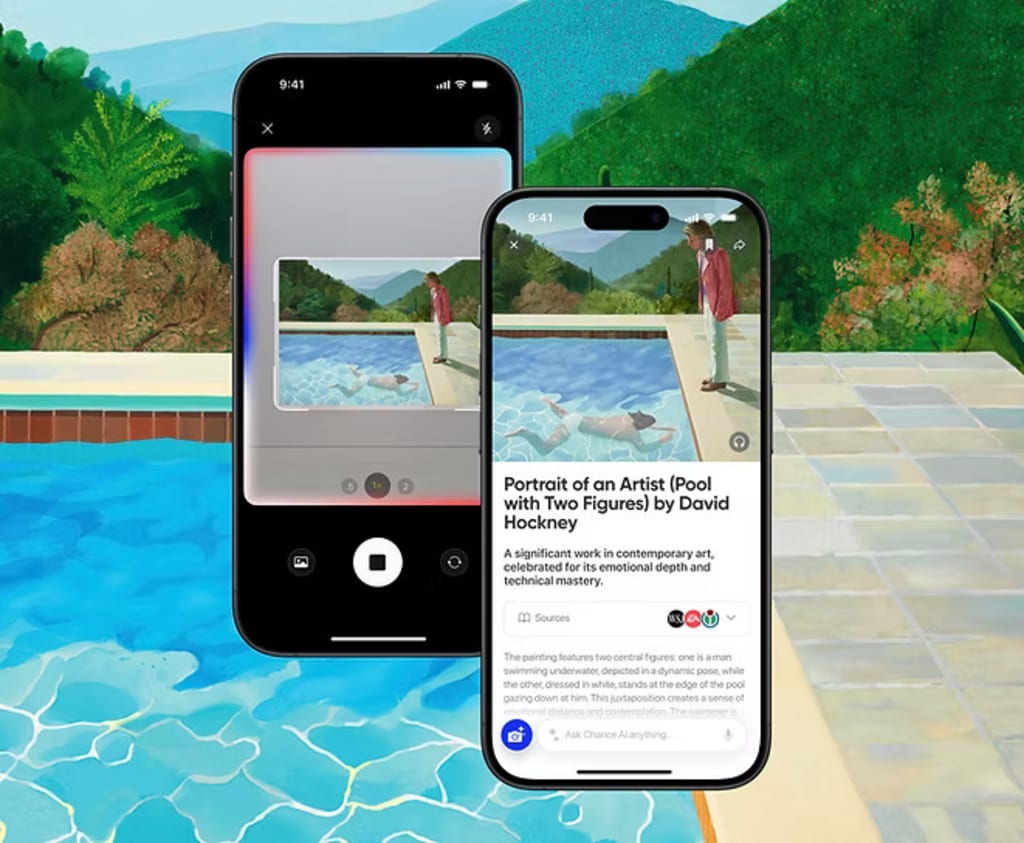
Art fairs have always been about discovery: the quiet moment when a piece catches your eye, the curiosity that pulls you closer, and the personal interpretation that follows. But as we move deeper into 2026, that experience is beginning to evolve in ways many visitors may not have imagined a few years ago.
With Chance AI joining Art Central 2026 as an Innovation Partner, the traditional art fair is taking a step into a more interactive and immersive future. For visitors, this doesn’t just mean more technology, it means a fundamentally different way of engaging with art itself.
A Shift from Observation to Interaction
Most people attend art fairs with a similar mindset: walk through curated spaces, observe artworks, read brief descriptions, and form personal interpretations. While this approach has its charm, it can sometimes feel limiting, especially when faced with complex contemporary works or culturally layered pieces that require deeper context.
This is where the presence of Chance AI introduces a noticeable shift.
Instead of relying solely on static labels or guided tours, visitors can expect a more dynamic interaction with the artworks. The idea is simple but powerful: what if the art could “talk back” in a meaningful way? Not by replacing human interpretation, but by expanding it.
Understanding the Role of a “Visual Agent”
One of the key ideas being introduced at the event is the concept of a “Visual Agent.” While the term might sound technical, its purpose is relatively easy to understand from a visitor’s perspective.
A Visual Agent is designed to perceive and interpret visual information much like a human observer but with the added ability to process vast amounts of contextual knowledge in real time. In the setting of an art fair, this means recognizing patterns, styles, historical references, and even cultural nuances within a piece.
For someone walking through the exhibition, this could translate into immediate insights that go beyond surface-level observation. Instead of wondering about the meaning behind an abstract installation or the influences behind a painting, visitors can access interpretations that enrich their understanding on the spot.
A More Personalized Art Experience
One of the most interesting aspects of integrating AI into an art fair is the potential for personalization.
Every visitor brings a different background, level of knowledge, and curiosity to the experience. Some may be seasoned collectors, while others might be attending their first exhibition. Traditionally, catering to such a wide spectrum has been challenging.
With interactive AI tools like the live features expected from Chance AI, the experience can adapt to the individual. A casual visitor might receive simple, easy-to-understand explanations, while someone more familiar with art history could explore deeper insights and connections.
This layered approach makes the experience more inclusive without overwhelming anyone.
Real-Time Interpretation: Why It Matters
One of the limitations of traditional art exhibitions is the delay between curiosity and understanding. You see something intriguing, but finding detailed information often requires extra effort searching online, reading catalogs, or waiting for guided sessions.
Real-time interpretation changes this dynamic completely.
Imagine standing in front of a sculpture and instantly accessing insights about its structure, symbolism, or the artist’s intent. This immediacy doesn’t just save time it keeps the emotional connection with the artwork intact.
Instead of stepping away to look things up, visitors can stay present in the moment while deepening their understanding.
Enhancing, Not Replacing, Human Perspective
Whenever technology enters creative spaces, there’s often a concern: will it take away from the human element?
In this case, the goal appears to be the opposite.
Art is inherently subjective, and no algorithm can replace personal interpretation or emotional response. What AI can do, however, is provide additional layers of context that might otherwise go unnoticed.
Think of it as having a knowledgeable companion by your side, one that offers insights when needed but doesn’t dictate what you should feel or think.
For many visitors, especially those who sometimes feel intimidated by contemporary art, this can make the experience more approachable and enjoyable.
Bridging Cultural and Knowledge Gaps
Art fairs like Art Central attract a global audience. Visitors come from different countries, cultures, and artistic backgrounds. While this diversity is one of the strengths of such events, it can also create gaps in understanding.
Certain artworks are deeply rooted in specific cultural or historical contexts, which may not be immediately accessible to everyone.
By providing contextual explanations in real time, AI has the potential to bridge these gaps. It can help translate not just language, but meaning making art more universally accessible.
This is particularly valuable in a global setting where inclusivity and shared understanding are becoming increasingly important.
A Glimpse into the Future of Exhibitions
The integration of AI at Art Central 2026 is not just about enhancing one event; it reflects a broader shift in how exhibitions might evolve in the coming years.
Museums, galleries, and cultural spaces are constantly looking for ways to engage audiences more deeply. Static displays are gradually giving way to interactive experiences, and visitors are becoming active participants rather than passive observers.
The use of intelligent systems that can interpret and respond in real time could become a standard feature in future exhibitions. What’s being introduced here may very well set the tone for how people experience art globally.
What Visitors Can Take Away
For someone planning to attend Art Central 2026, the presence of Chance AI adds an extra layer of curiosity to the experience.
It’s not just about seeing art, it's about exploring it in a more informed and interactive way. Visitors can expect:
- Deeper insights into artworks without needing prior expertise
- A more engaging and personalized journey through the exhibition
- The ability to connect with art on both an emotional and intellectual level
- A glimpse into how technology can coexist with creativity
Final Thoughts
Art has always evolved alongside society, reflecting changes in culture, technology, and human thought. The introduction of AI into this space is simply the next step in that evolution.
What makes this moment interesting is not the technology itself, but how it’s being used to enhance understanding, encourage curiosity, and make art more accessible to everyone.
Art Central 2026, with Chance AI as its Innovation Partner, offers a glimpse into this future. For visitors, it’s an opportunity to experience art in a way that feels both familiar and entirely new at the same time.
And perhaps that’s what makes it worth exploring.
About the Creator
Keep reading
More stories from Maheep Makkar and writers in Futurism and other communities.
Will Chance AI Become the Leading App for VLM for Art?
Artificial intelligence is changing how people interact with images, but one of the most interesting developments is the rise of Vision Language Models (VLMs). These models combine visual understanding with natural language processing, allowing AI to not only recognize objects in an image but also interpret meaning, context, and relationships. When applied to art, this technology opens the door to a deeper way of exploring paintings, architecture, and design. As tools built around this technology continue to emerge, an important question arises: Will Chance AI become one of the leading apps for VLM for art?
By Maheep Makkar15 days ago in Futurism
The Fears of AI And How Much Fun It Can Be
ChatGPT has come a long way, as has AI in general. There are those people who are scared of it, and for understandable reasons. People fear that as technologies advance, they’ll be replaced in the workforce. Then, there are the fears that AI could evolve into something that brings us to the brink of extinction.
By The Man Behind The Maskabout 17 hours ago in Futurism
Pharmacovigilance and Drug Safety Software Market Outlook: Regulatory Compliance and Patient Safety Enhancement Opportunities
According to IMARC Group's latest research publication, The global pharmacovigilance and drug safety software market size reached USD 226.2 Million in 2025. Looking forward, IMARC Group expects the market to reach USD 361.7 Million by 2034, exhibiting a growth rate (CAGR) of 5.19% during 2026-2034.
By Michael Richard5 days ago in Futurism


Comments
There are no comments for this story
Be the first to respond and start the conversation.