
History of American Football: From Rough Beginnings to Cultural Power
How a simple college game transformed into one of the world’s most strategic and influential sports
Introduction
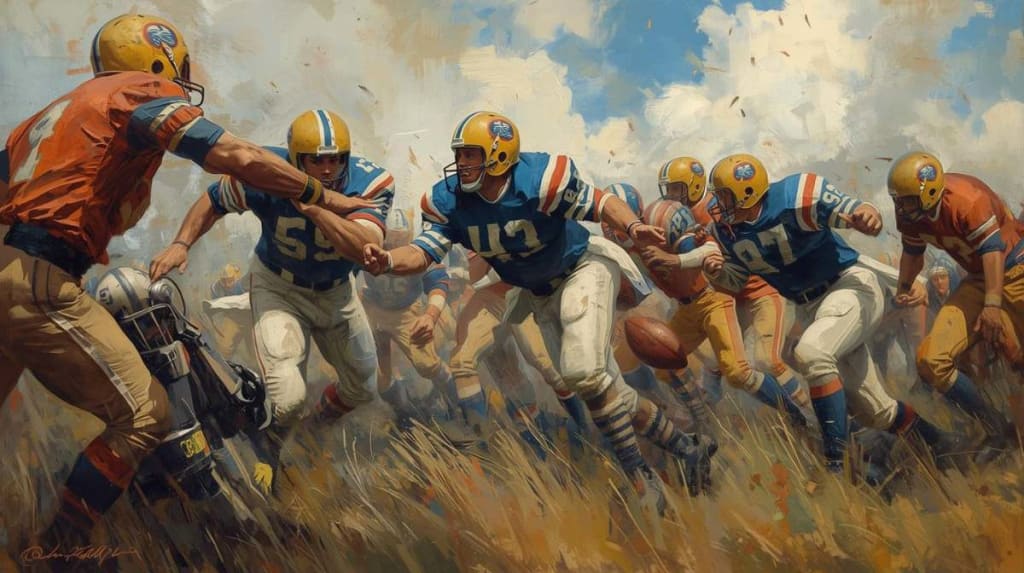
American football is more than just a sport played on a field. It is a powerful blend of strategy, strength, discipline, and identity that has shaped generations of fans and players across the United States.
What makes this game unique is not only how it is played but how it evolved over time. Its journey reflects innovation, cultural shifts, and the human desire to compete, improve, and connect through shared experiences.
Where Did American Football Come From?
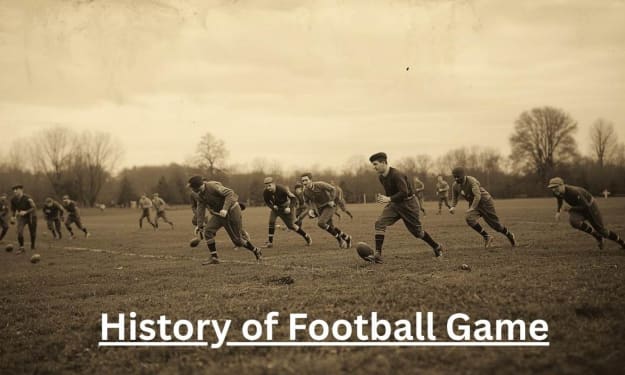
American football did not begin as a fully formed sport. It slowly developed from older games like rugby and soccer, which were played in schools and universities during the 19th century.
At that time, there were no consistent rules. Each institution followed its own version of the game, leading to confusion and unpredictable matches that lacked structure and fairness.
The First Steps Toward Organization
In 1869, a game between Rutgers and Princeton marked an important moment in football history. Although it resembled soccer more than modern football, it laid the foundation for future development.
This early version showed the need for standardized rules. Without them, the game could not grow or attract wider interest beyond local matches.
Walter Camp and the Transformation of the Game
Walter Camp is widely known as the father of American football. His ideas changed the sport from a chaotic activity into a structured and strategic competition.
He introduced key elements such as the line of scrimmage, the down system, and player positions. These changes created a framework that made the game more organized, tactical, and enjoyable to watch.
How Rule Changes Shaped the Sport
As football continued to grow, new rules were introduced to improve safety and increase excitement. One of the most important changes was the introduction of the forward pass.
This rule transformed the game completely. It allowed teams to attack in new ways, making the sport faster, more creative, and more engaging for fans.
The Rise of Professional Football
In the early 20th century, football moved beyond colleges and became a professional sport. Teams began forming leagues and attracting large crowds.
In 1920, the National Football League (NFL) was created. This was a turning point that helped establish football as a major part of the sports industry.
NFL Growth and Influence
The NFL grew steadily over time, expanding its teams and improving its structure. Television broadcasting played a major role in making the sport popular across the country.
Today, the NFL is one of the most successful sports organizations in the world. It influences not only sports but also media, business, and entertainment industries.
The Super Bowl as a Cultural Phenomenon
The Super Bowl is the most important event in American football. It is played annually to determine the NFL champion.
Over time, it has become more than just a game. It is a global event that includes music, advertising, and entertainment, attracting millions of viewers worldwide.
Understanding the Game Structure
American football is played between two teams of eleven players. The objective is to move the ball into the opponent’s end zone to score points.
The game is divided into four quarters, and each play is carefully planned. Coaches and players rely heavily on strategy, making it a mentally challenging sport as well.
Legendary Players Who Defined the Game
Throughout history, many players have shaped American football. Legends like Joe Montana, Jerry Rice, and Tom Brady set high standards of excellence.
These athletes demonstrated skill, leadership, and consistency. Their achievements inspired fans and future players, helping grow the sport globally.
Modern Players and Changing Dynamics
Today’s football players are more advanced in terms of fitness and technique. Training methods have improved, allowing athletes to perform at higher levels.
New stars continue to emerge, bringing fresh styles and energy to the game. This constant evolution keeps the sport exciting and relevant.
How to Become an American Football Player
Becoming a football player requires dedication, discipline, and continuous practice. Most players begin at a young age and develop their skills over time.
Joining school teams or training academies helps build experience. Physical fitness, mental strength, and teamwork are essential for long-term success.
Cultural Importance of American Football
American football plays a significant role in American culture. It brings families, communities, and fans together, especially during major events.
School and college football also create a sense of identity and pride. These teams often represent tradition, unity, and local spirit.
Economic Impact of the Sport
The sport has a strong economic impact, generating revenue through broadcasting, sponsorships, and ticket sales. It supports many industries beyond the field.
Major events like the Super Bowl contribute billions of dollars to the economy. This shows how deeply connected football is to modern business.
Watching Football in the Digital Age
Today, fans no longer depend only on television to follow their favorite teams. Many people explore online platforms such as Totalsportek to check match schedules, updates, and streaming options, making it easier to stay connected with games anytime and from almost anywhere in the world without missing key moments.
Safety Challenges and Improvements
As the game became more intense, concerns about player safety increased. Injuries, especially head injuries, became a major issue.
To address this, rules were updated and equipment improved. These changes aim to protect players while maintaining the competitive nature of the sport.
American Football Compared to Other Sports
American football is different from sports like soccer or basketball. It involves more physical contact and detailed planning for each play.
The stop-and-start nature of the game allows teams to think strategically. This makes it unique and appealing to fans who enjoy tactical competition.
Global Expansion and Future Growth
Although American football is most popular in the United States, it is slowly gaining international attention. Efforts are being made to expand its reach globally.
International matches and leagues are helping introduce the sport to new audiences. This suggests a promising future for American football worldwide.
Life Lessons from the Game
American football teaches valuable life lessons such as teamwork, discipline, and perseverance. Players learn how to work together and overcome challenges.
It also teaches how to handle pressure and stay focused. These qualities are useful not only in sports but in everyday life as well.
Conclusion
The history of American football is a story of transformation, innovation, and cultural influence. From its early beginnings to its current global presence, the sport has grown significantly.
It represents more than competition—it reflects strategy, unity, and human effort. As it continues to evolve, American football will remain an important part of sports and society.
About the Creator
Backlinks Cart
Mohsin (CEO BacklinksCart Agency).
Our Backlinks Platform " Backlinkscart.com"
For any edits or link insertions. WhatsApp" +92 3263918853 or +92 3132824834 or +92 3091821105
Gmail: [email protected] or [email protected]
Keep reading
More stories from Backlinks Cart and writers in Futurism and other communities.
The Fears of AI And How Much Fun It Can Be
ChatGPT has come a long way, as has AI in general. There are those people who are scared of it, and for understandable reasons. People fear that as technologies advance, they’ll be replaced in the workforce. Then, there are the fears that AI could evolve into something that brings us to the brink of extinction.
By The Man Behind The Maskabout 19 hours ago in Futurism
The Irony of Flying While We Bomb the "World's Greatest Terror Regime"
Ah, the irony of flying at this moment in time as the United States is simultaneously bombing Iran - the nation officials have insisted for decades is "The World's Greatest Terror Regime" - while the TSA is on a go-slow, courtesy of a funding squeeze that's left its officers unpaid, quitting in droves, and turning checkpoints into something like slow-moving bread lines.
By Scott Christenson🌴8 days ago in Humor



Comments
There are no comments for this story
Be the first to respond and start the conversation.