
How to Choose Easter Gifts for Kids That Actually Get Used and Loved
A practical guide for parents who want to choose meaningful gifts that last beyond the holiday
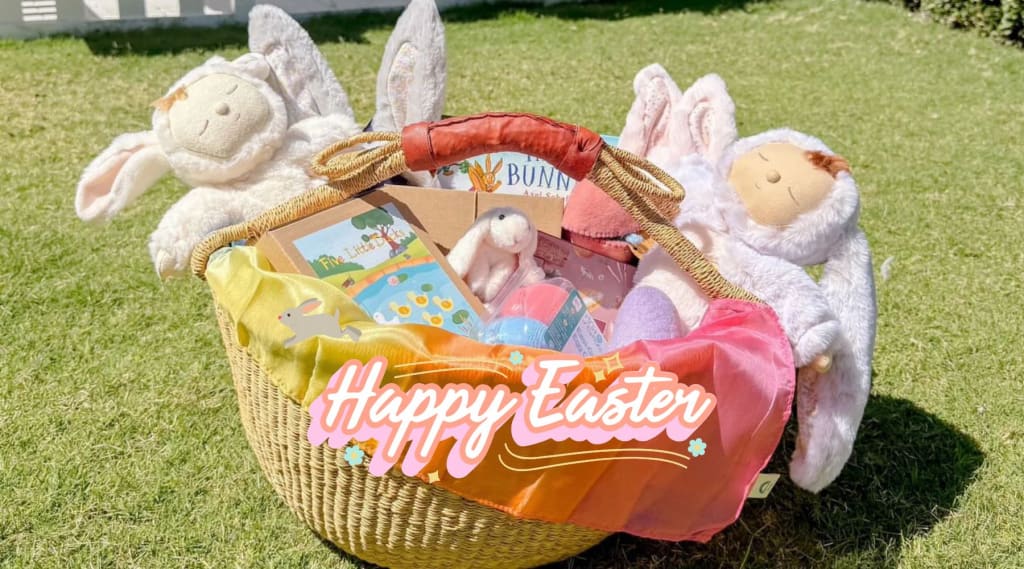
Every year, as Easter approaches, many parents find themselves asking the same quiet question. What kind of gift will actually make my child happy beyond the first few minutes?
It is easy to fall into familiar habits. Chocolate eggs, small novelty toys, and themed items often feel like the obvious choice. They fit the season and they bring immediate excitement. But as many parents have noticed, that excitement does not always last very long.
After the holiday passes, those items often end up forgotten in drawers or mixed into an already crowded toy box. This is why more families are beginning to rethink what an Easter gift can be. Instead of focusing only on tradition, they are looking for something that combines fun with lasting value.
A good starting point is to think about how your child actually plays.
Some children naturally gravitate toward building and creating. They enjoy taking their time, experimenting with ideas, and seeing something come together piece by piece. These children tend to return to toys that allow open ended play, where there is no single correct outcome. A simple set of building materials can turn into a house one day and a bridge the next.
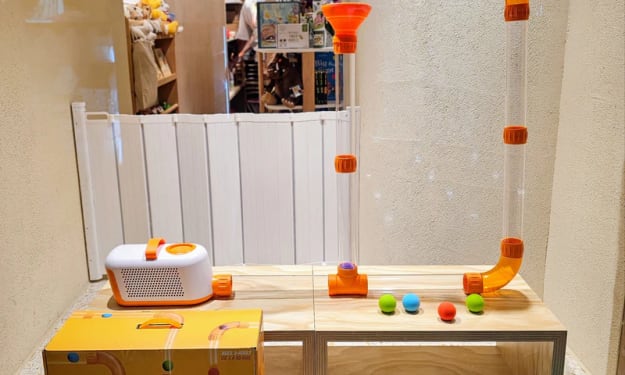
Other children prefer a different kind of experience. They like movement, interaction, and quick feedback. They want to see something happen right away. For them, toys that respond to action or encourage experimentation can feel much more engaging.
Understanding this difference can completely change the way you approach gift selection. Instead of choosing based on appearance or trend, you are choosing based on how your child experiences play.
Another important factor that often gets overlooked is longevity. A toy may look appealing at first glance, but the real value shows over time. Does your child return to it after the first week? Does it inspire new ideas, or does it stay the same every time it is used?
Toys that support creativity and flexible use tend to last longer. They grow alongside the child, offering new possibilities as skills develop. This makes them particularly suitable for occasions like Easter, where the goal is not just to surprise but also to create something meaningful.
Many parents are now shifting toward this kind of thinking. Instead of adding more short lived items, they look for gifts that can become part of everyday play. This does not mean the gift has to be large or expensive. In fact, some of the most effective toys are quite simple in design but rich in possibility.
Of course, knowing what to look for is one thing. Finding the right options is another. The number of choices available can feel overwhelming, especially when everything is presented as educational or beneficial.
This is where curated collections can be helpful. Rather than sorting through countless products, you can explore selections that have already been grouped with a specific purpose in mind. For example, browsing a collection of easter gifts for kids can give you a clearer sense of what kinds of toys align with both the season and long term play value.
What you may notice in collections like this is a focus on quality over novelty. Instead of items designed for one time use, there is often an emphasis on creativity, interaction, and repeat engagement. These are the kinds of toys that children come back to, sometimes in ways that surprise even their parents.
Another benefit of choosing more thoughtful gifts is the role they play in family life. Toys that encourage shared play can bring siblings together or create opportunities for parents to join in. A simple activity can turn into a moment of connection, which often becomes more memorable than the gift itself.
At the same time, it is important to keep expectations realistic. Not every toy will become a favorite, and that is perfectly normal. Children’s interests change, and part of growing up is exploring different types of play. The goal is not perfection, but rather increasing the chances that a gift will truly resonate.
One helpful approach is to observe what your child already enjoys. Do they spend time building, drawing, or experimenting? Do they prefer quiet activities or more active ones? These small observations can guide you toward choices that feel more natural and less forced.
It is also worth remembering that presentation matters. Even a simple gift can feel special when it is thoughtfully given. Whether it is placed in an Easter basket or shared during a family moment, the experience around the gift contributes to how it is received.
In the end, Easter gifting does not need to be complicated. It is less about finding the perfect item and more about choosing something that fits your child’s world. When a gift aligns with how they play and explore, it becomes more than just part of a holiday tradition.
It becomes something they return to, something that grows with them, and something that quietly supports their development in ways that feel natural and enjoyable.
And perhaps that is what makes a gift truly meaningful. Not how it looks on the day it is given, but how it continues to be part of a child’s everyday life long after the celebration has passed.
About the Creator
Celebrating Mother's Day When Your Mom Has Passed Away
Losing Your Mom If you have lost your mom, it's difficult enough, but it's even harder when her special day comes around. I know how it feels. I lost my mother. The first year was the worst. I remember how lost I felt. I just couldn't understand why she had to die when so many other people I knew still had their mothers.
By Janis Masyk-Jackson9 days ago in Families
The Irony of Flying While We Bomb the "World's Greatest Terror Regime"
Ah, the irony of flying at this moment in time as the United States is simultaneously bombing Iran - the nation officials have insisted for decades is "The World's Greatest Terror Regime" - while the TSA is on a go-slow, courtesy of a funding squeeze that's left its officers unpaid, quitting in droves, and turning checkpoints into something like slow-moving bread lines.
By Scott Christenson🌴7 days ago in Humor



Comments