Climate
The taste of winter
Already in the depths of winter, more and more fascinating, I'm talking about the mood. Regrettably, there is no snow in Kunming, a few days ago cooling, light rain, and snow, symbolically floating little snowflakes, not much time to stop, eager for the snow-capped winter but did not appear in front of us stunningly.
By Celia R Mueller4 years ago in Earth
Slip Sliding, Sloshing, Flooding, Burning, Collapsing, & Blowing Away
Florida & California, having once been Meccas for vacationers, retirees, & long-term residents, have become hellish environments. Florida is a cesspool of various algal growths & trash-covered beaches caused by human pollution, along with the unstoppable increasing collapse into sinkholes of its honeycombed porous foundation.
By Vytas Stoskus4 years ago in Earth
So Many Raindrops
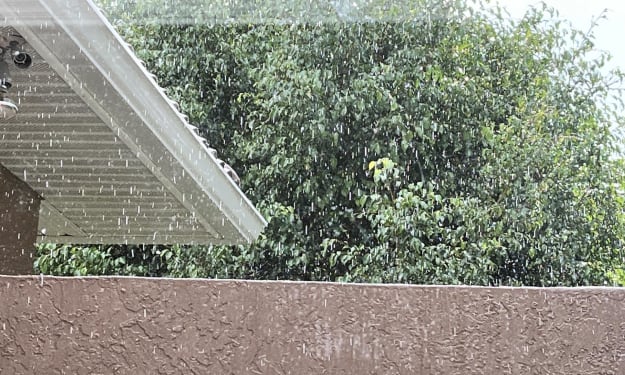
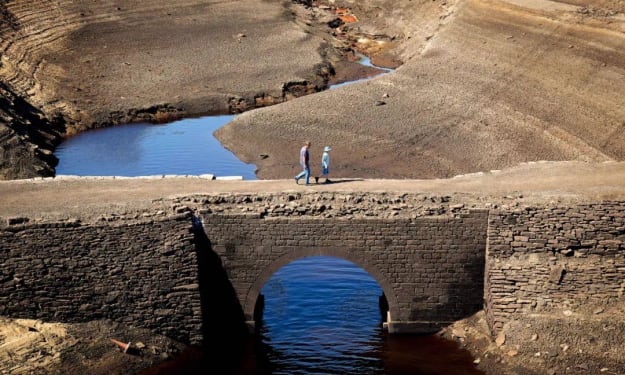
With all the flash floods happening throughout the world, one would think we’d had enough of the wet weather. Yet, unfortunately, here in Florida, although it is our rainy season, we’re just not getting out share of rain. I know we’re not the only state that is suffering from the hot sun and droughts. There are places much worse than Florida since their droughts are causing massive fires. Where I live in Florida, we have few woody areas and certainly no forests that might easily catch fire.
By Margaret Brennan4 years ago in Earth
eBikes are the Rage
With the introduction of a new program that will compensate people for switching to electric bikes, France hopes to have a significant impact on the transportation industry. If participants in the "E-Bike Revolution" initiative decide to upgrade their current bicycle to an electric one, they will receive 4,000 euros. The objective is to reduce pollution and persuade individuals to switch from gas-guzzling automobiles to more ecologically friendly modes of transportation. If this effort is effective, it might represent a significant step toward weaning the nation off of conventional modes of transportation.
By Jerry Nelson4 years ago in Earth
We're Having A Heatwave!
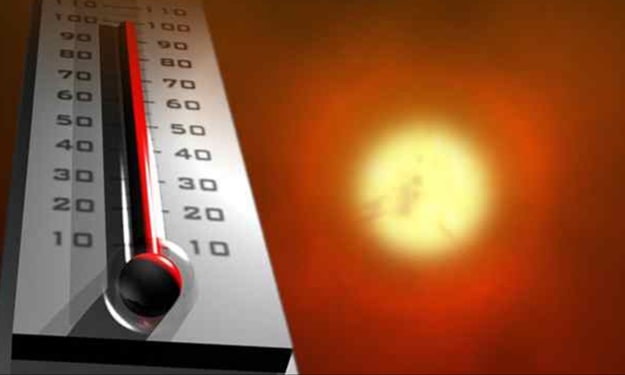
As the Earth’s climate warms up, heatwaves have become more frequent and intense over the last twenty years. The extremely high temperatures associated with heatwaves claim 1,300 people a year. High humidity often accompanies them, making this weather phenomenon harder on the body. Though there is no exact science yet on how to predict a heatwave approaching, for now, we define them as a period of unusually high (over 90 degrees F.) temperatures that last for over two days. Many have lasted for weeks, and sometimes even months. To determine if a heatwave is happening, the National Weather Service uses the Heat Index Values. This is what the temperature feels like to the human body when relative humidity combines with the air temperature. Heatwaves can cause many other natural hazards, like droughts and crop failures. Here are some helpful tips for the next time your town becomes an oven.
By M.L. Lewis4 years ago in Earth
Tonga before the blast
Smoke fills the air. Not the smoke of a volcanic eruption but the cookfires of hundreds of family huts. It was 1986, and I visited Tonga on an Earthwatch expedition. Our task was to map the growing fields identifying the types of vegetation–taro, plantains, papaya, and coconut made up some of the target crops. Our direct observation used ground-truth satellite imagery. Once identified on our maps, we transferred the information to the satellite photographs of the island. This, in turn, allowed researchers to extrapolate the key colors to other islands in the South Pacific.
By Jim DeLillo4 years ago in Earth
Arctic is warming faster than the rest of the world
You may be surprised at just how fast this is happening, and it’s not just due to climate change. It’s also thanks to human activity. As melting ice sheets and increased storm activity cause the ocean floor to warm, more water is released into the atmosphere. This in turn amplifies global warming and makes Arctic warming even more pronounced.
By 💸 Build Your Future 💸4 years ago in Earth