
Tap, Book, Done: The Architecture of On-Demand Applications
Exploring the Real-Time Systems, Scalable Architecture, and Smart Technologies Behind Modern On-Demand Applications


In today’s digital era, convenience is no longer a luxury—it has become a necessity. Consumers expect services to be fast, efficient, and available instantly through their smartphones. This growing demand has given rise to on-demand applications, which have transformed industries such as transportation, food delivery, healthcare, and home services. With just a few taps, users can book services, track progress, and complete transactions seamlessly.
Behind this smooth user experience lies a complex architecture designed to handle real-time interactions, large user volumes, and dynamic service requirements. On-demand app development focuses on building systems that are scalable, reliable, and capable of delivering instant results.
Understanding the On-Demand Model
The on-demand model is built on connecting users with service providers in real time. Unlike traditional business systems, where services are scheduled in advance, on-demand platforms offer immediate solutions. This model relies heavily on speed, efficiency, and user convenience.
For example, when a user books a ride or orders food, the system must instantly process the request, find the nearest service provider, and confirm the booking. This entire process happens within seconds, demonstrating the efficiency of on-demand platforms.
Core Components of On-Demand Applications
The architecture of on-demand applications is typically divided into three main components: the user application, the service provider application, and the admin panel.
The user application is the interface through which customers interact with the platform. It allows users to browse services, place requests, make payments, and track orders. A clean and intuitive design ensures a smooth user experience.
The service provider application is used by drivers, vendors, or professionals who deliver the service. It enables them to accept or reject requests, manage schedules, and update service status in real time.
The admin panel acts as the control center. It allows businesses to monitor operations, manage users, track transactions, and analyze performance data. This centralized system ensures that the platform runs efficiently.
Real-Time Functionality and User Experience
One of the defining features of on-demand applications is real-time functionality. Users expect instant confirmation and live updates throughout the service process. Technologies such as GPS tracking, push notifications, and real-time databases play a crucial role in delivering these features.
Real-time tracking allows users to monitor the progress of their service request. For example, they can track the location of a delivery driver or service provider on a map. This transparency enhances trust and improves customer satisfaction.
Push notifications keep users informed about order status, estimated arrival times, and special offers. These updates ensure continuous engagement and create a seamless user experience.
The Role of Scalable Architecture
Scalability is a critical aspect of on-demand app development. As user demand increases, the application must be able to handle high traffic without performance issues. A scalable architecture ensures that the system remains stable and responsive even during peak usage.
Cloud computing is widely used to achieve scalability. Cloud-based systems allow applications to allocate resources dynamically based on demand. This means that during high traffic periods, additional resources can be deployed to maintain performance.
Microservices architecture is another important approach. Instead of building a single large system, the application is divided into smaller, independent services. This improves flexibility, allows faster updates, and reduces the risk of system failures.
Smart Algorithms and Automation
Algorithms are the backbone of on-demand applications. They are responsible for matching users with service providers, optimizing routes, and managing workloads.
For instance, when a user places a request, the system uses algorithms to find the nearest available service provider. It considers factors such as location, availability, and user preferences to make the best match.
Automation also plays a key role in improving efficiency. Tasks such as order processing, payment handling, and notifications are automated, reducing manual effort and minimizing errors.
Payment Integration and Security
Secure payment systems are essential for on-demand applications. Users expect quick and hassle-free transactions. Modern apps support multiple payment methods, including credit cards, digital wallets, and online banking.
Security is a top priority. Encryption technologies and secure APIs protect sensitive user data and financial information. Features such as two-factor authentication add an extra layer of security, ensuring safe transactions.
A reliable payment system builds trust and encourages users to continue using the platform.
Data Analytics and Performance Optimization
Data analytics plays a significant role in the success of on-demand applications. These platforms generate large amounts of data related to user behavior, service usage, and operational performance.
Analytics tools help businesses understand customer preferences, identify trends, and improve service quality. For example, companies can analyze peak usage times and adjust their resources accordingly.
Performance optimization is also important. Regular monitoring and updates ensure that the application remains fast and responsive. This improves user satisfaction and retention rates.
Challenges in On-Demand App Development
Despite their benefits, on-demand applications come with several challenges. Managing real-time operations requires a robust infrastructure and efficient coordination between multiple components.
Ensuring data security is another major concern. Since these platforms handle sensitive information, strong security measures must be implemented to prevent data breaches.
Maintaining service quality is also crucial. Businesses must ensure that service providers meet customer expectations consistently. This requires proper training, monitoring, and feedback systems.
The Future of On-Demand Applications
The future of on-demand app development is driven by innovation. Emerging technologies such as artificial intelligence, machine learning, and the Internet of Things (IoT) are expected to enhance the capabilities of these platforms.
AI-powered systems can provide personalized recommendations, predict user behavior, and improve service efficiency. Automation will continue to reduce manual processes, making operations faster and more reliable.
As technology evolves, on-demand applications will become even more sophisticated, offering smarter and more seamless user experiences.
Conclusion
On-demand applications have revolutionized the way services are delivered in the digital age. Their architecture, built on real-time functionality, scalable systems, and intelligent algorithms, enables businesses to provide instant solutions to users.
From booking a ride to ordering food, these platforms have become an essential part of everyday life. As demand continues to grow, businesses must invest in advanced technologies and robust architecture to stay competitive.
By focusing on performance, security, and user experience, on-demand app development will continue to shape the future of digital services.
About the Creator
Nayel Basim Al Shehhi
I am James Wood a Contest Writer works as a freelance content writer.
Keep reading
More stories from Nayel Basim Al Shehhi and writers in 01 and other communities.
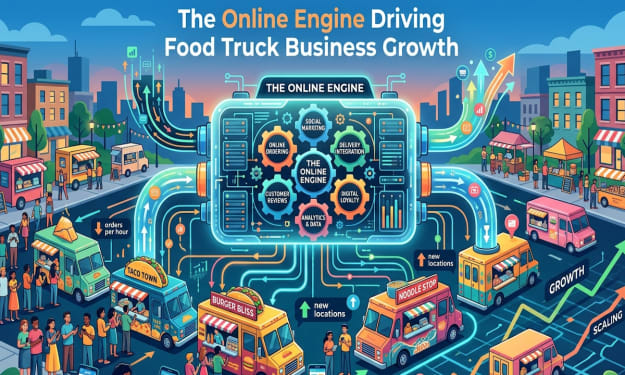
The Online Engine Driving Food Truck Business Growth
In recent years, food trucks have evolved from simple street vendors into thriving mobile businesses with loyal customer bases. Their flexibility, lower startup costs, and unique culinary offerings make them an attractive option for entrepreneurs. However, as competition grows and customer expectations rise, having a strong digital presence has become essential. This is where websites play a crucial role—acting as the online engine that drives food truck business growth.
By Nayel Basim Al Shehhi6 days ago in 01
Meetings and Event Technology: Transforming How the World Gathers
Meetings and Event Technology has fundamentally changed the way organisations plan, deliver, and measure their events. From AI-powered registration platforms to immersive hybrid broadcast studios, the tools available to event professionals today are more sophisticated and accessible than ever before. Meetings and Event Technology enables associations, corporations, and professional congress organisers to create richer delegate experiences, streamline operations, and capture data that drives smarter decision-making.
By Meeting Media6 days ago in 01



Comments
There are no comments for this story
Be the first to respond and start the conversation.