
Hydrogen, Electrification and Alternative Fuels: Powering Carbon-Neutral Mobile Concrete Batching Plants
Powering Carbon-Neutral Mobile Concrete Batching Plants

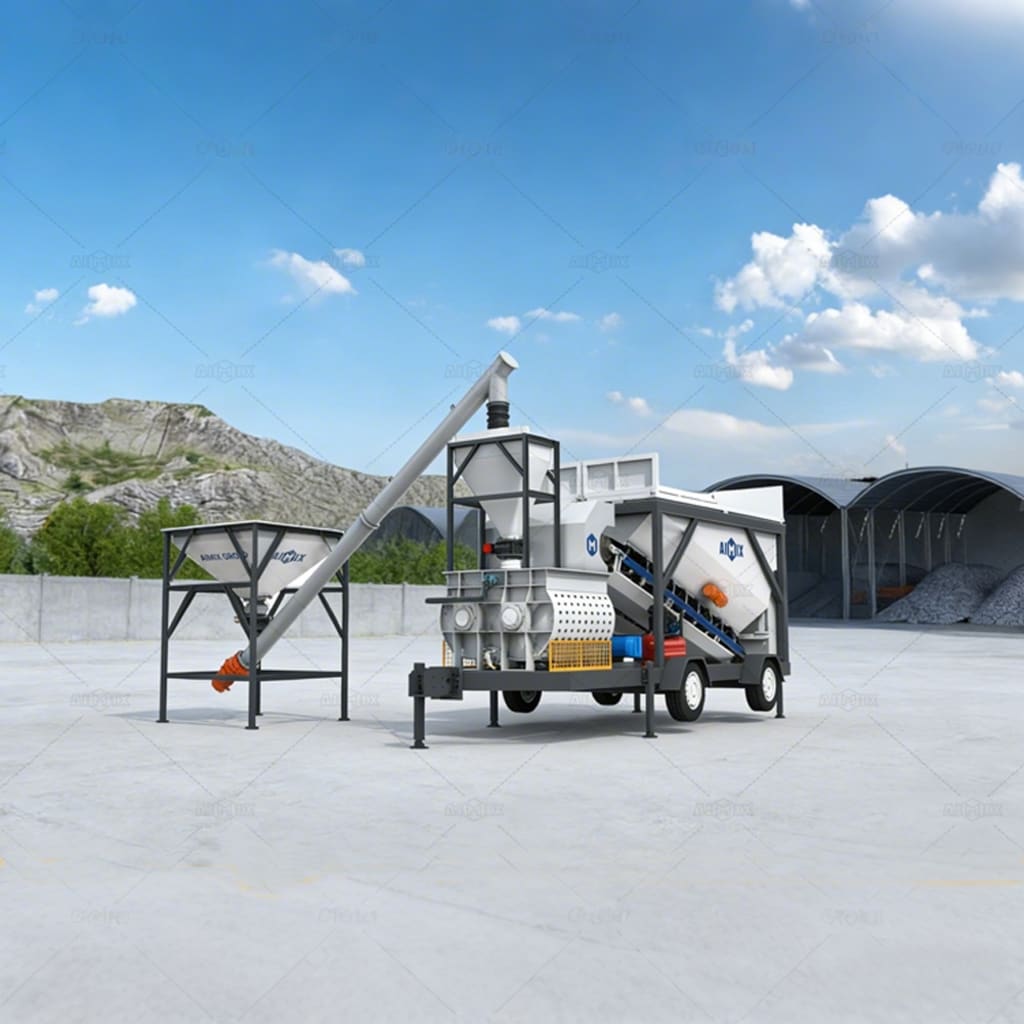
Concrete production, long associated with heavy emissions and diesel dependency, is undergoing a profound transformation. Mobile concrete batching plants—once symbols of rugged, fuel-intensive industry—are now at the forefront of decarbonization. Through the convergence of hydrogen energy, electrification, and alternative fuels, these mobile units are evolving into cleaner, quieter, and more efficient systems. This shift is not merely technological; it represents a redefinition of how infrastructure can be built responsibly in a carbon-constrained world.
The Imperative for Decarbonizing Mobile Concrete Operations
The traditional mobile concrete batching plant is an energy-intensive apparatus, typically powered by diesel engines that emit substantial quantities of carbon dioxide, nitrogen oxides, and particulate matter. These emissions contribute not only to climate change but also to localized air quality degradation, particularly in urban construction zones. The environmental toll is considerable, and increasingly difficult to justify in an era of heightened ecological awareness.
Regulatory frameworks across Europe and beyond are tightening. Emission caps, carbon pricing mechanisms, and sustainability mandates are compelling construction firms to reassess their operational footprints. Compliance is no longer optional; it is a prerequisite for market participation. At the same time, corporate sustainability commitments—often tied to investor expectations—are accelerating the demand for cleaner technologies.
Beyond compliance, there are intrinsic inefficiencies in diesel-based systems. Fuel volatility, maintenance burdens, and noise pollution all undermine operational effectiveness. These constraints create a compelling case for transition. Decarbonization, therefore, is not solely an environmental obligation; it is an opportunity to enhance performance, reduce long-term costs, and future-proof operations.
Hydrogen and Electrification: Transformative Energy Pathways
Hydrogen emerges as a particularly promising vector in the quest for carbon neutrality. When utilized in fuel cells, hydrogen produces electricity through an electrochemical process, emitting only water vapor as a byproduct. This characteristic makes it an exceptionally clean energy source for mobile batching plants operating in emission-sensitive environments.
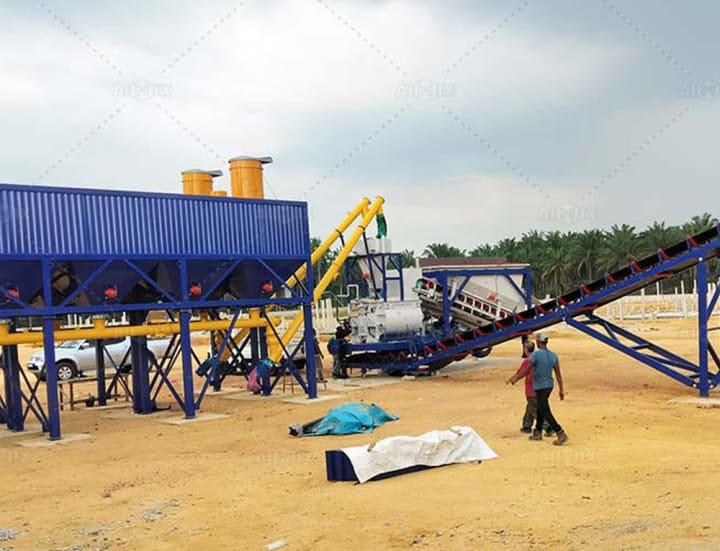
Fuel cell systems offer several advantages. They provide longer operational ranges compared to battery-only solutions and can be refueled relatively quickly. This is crucial for concrete batching plants for sale that must maintain high uptime across dispersed construction sites. Moreover, hydrogen’s energy density allows for sustained heavy-duty performance without the weight penalties associated with large battery packs.
Electrification, meanwhile, is gaining traction through advancements in battery technology and grid infrastructure. Battery-electric batching plants eliminate tailpipe emissions entirely and significantly reduce noise levels, creating a more hospitable working environment. When powered by renewable electricity, their lifecycle emissions can be drastically minimized.
Hybrid configurations are also emerging as pragmatic solutions. By combining battery systems with hydrogen fuel cells or even limited use of alternative fuels, operators can optimize energy usage based on specific site conditions. Intelligent energy management systems further enhance efficiency by dynamically allocating power where it is needed most. This layered approach ensures resilience while facilitating a gradual transition away from fossil fuels.
Alternative Fuels and the Road to Scalable Adoption
While hydrogen and electrification represent the long-term horizon, alternative fuels play a critical intermediary role. Biofuels, such as hydrotreated vegetable oil (HVO), can be used in existing diesel engines with minimal modification. These fuels offer a reduction in net carbon emissions, as they are derived from renewable biological sources. Similarly, synthetic fuels—produced through processes that capture and reuse carbon—hold promise for decarbonizing legacy equipment.
However, the adoption of these fuels is not without challenges. Supply chains remain fragmented, and cost premiums can be prohibitive. Infrastructure for hydrogen refueling and high-capacity electric charging is still in its nascent stages, particularly in remote construction environments. These constraints necessitate coordinated investment across industry stakeholders, from energy providers to equipment manufacturers.
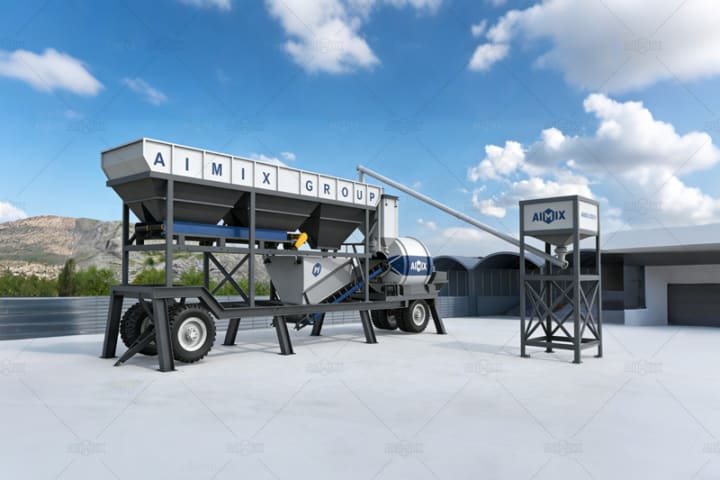
Economic considerations are equally pivotal. The initial capital expenditure for hydrogen or electric systems can be substantial, lifecycle costs often prove favorable due to lower fuel and maintenance expenses. Incentives, subsidies, and carbon credits can help bridge this gap, but their availability varies by region and policy landscape.
Looking ahead, the trajectory is: integration and innovation will define the next phase. As technologies mature and economies of scale are realized, the barriers to adoption will diminish. Digitalization will further augment this evolution, enabling predictive maintenance, energy optimization, and real-time emissions tracking.
The transformation of portable concrete batch plant is emblematic of a broader metamorphosis. By embracing hydrogen, electrification, and alternative fuels, the construction sector can reconcile productivity with sustainability. The path is complex, yet the destination—a carbon-neutral future—is increasingly within reach.
About the Creator
AIMIX
Construction Machine Manufacturer in China. Find Machines here: https://aimixconcretesolution.com/
Side Quest Goal Achieved: Placing an Alien Claim
This is a post that has me quite ecstatic. It's funny, I thought it was going to be one of my usual, "Hey, I achieved another one of my goals and checked it off" type deals. And it sort of is. But it sort of isn't. And it's also one of my greatest writing accomplishments of late.
By Stephen Kramer Avitabile3 days ago in Writers
Foraging Appalachia’s Wild Edibles
It's that time of year again and Appalachia offers a remarkable abundance for anyone willing to learn its seasonal gifts and practice careful gathering. Across ridges, holler's, stream-side's, and meadows, edible plants, berries, roots, and fungi appear through every part of year. Knowledge is key and teaches not only what can be eaten, but also how to gather with respect so that these resources remain available far into future.
By Tim Carmichael6 days ago in Feast



Comments