
March Madness: When Basketball Terms Usually Mean More Than the Game
Many everyday terms are associated with March Madness with different meanings.


Every spring, March Madness takes over the sports world, turning everyday words into basketball terms, including bracket, seed, buzzer-beaters, Sweet Sixteen, Cinderella, and final four.
To seasoned fans, those terms are second nature. To outsiders like me, these phrases can sound like they belong in a garden, at a party, a fairy tale, and even in an English class.
Here are some of the most popular March Madness terms that carry very different meanings beyond the basketball court.
1. Seed
In basketball, a “seed” refers to a team’s ranking within the tournament bracket. A Number 1 seed is a top team, while a Number 16 seed is considered a long shot.
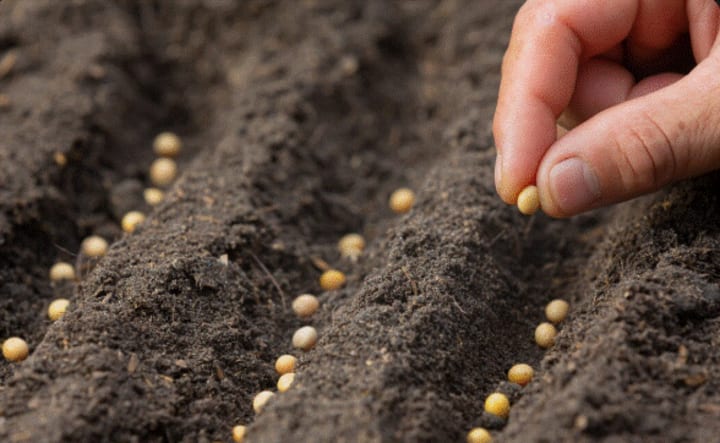
Outside of basketball, a seed is something you plant in the ground to grow into flowers, fruits, or vegetables.
2. Sweet Sixteen
On the court, the Sweet Sixteen is the round where only 16 teams remain in the tournament.
In everyday life, it’s a milestone birthday celebration—often associated with coming-of-age parties. Both meanings share one thing: they mark an important step forward.
3. Elite Eight
Elite Eight refers to the final eight teams still competing for the championship. Outside basketball, “elite” suggests exclusivity—top-tier groups, prestigious institutions, or high-performing individuals. Whether in sports or society, making the “elite” group is a sign of excellence.
4. Final Four
In March Madness, the final four are the last four teams battling for a spot in the championship game. Elsewhere, the phrase could describe any last group of contenders—whether in a competition, a job interview process, or even a reality TV show.
5. Cinderella
A “Cinderella team” is an underdog that exceeds expectations and makes a surprising run in the tournament.
The term comes from the classic fairy tale character who rises from obscurity to triumph. Just like in the story, these teams capture hearts by defying the odds.
6. Bracket
In basketball, a bracket is the tournament chart that maps out who plays whom and predicts winners.

Outside sports, brackets are used in writing ( [ ]) or to organize tournaments, tax rates, or even hair styling tools. During March, though, it becomes everyone’s favorite guessing game.
7. Buzzer-Beater
A buzzer-beater describes a last-second shot taken just before the game clock expires. In everyday language, it can mean finishing something just in the nick of time—like submitting an assignment seconds before the deadline or catching a train as the doors close.
8. Upset
In the tournament, an upset happens when a lower-seeded team defeats a higher-seeded one. Outside basketball, an upset usually refers to emotional distress or a surprising disruption. In March Madness, it’s both—a shock to predictions and often to fans’ nerves.
9. The Big Dance
“The Big Dance” is a nickname for the NCAA tournament itself.

Away from basketball, a dance is, of course, a social or artistic event involving movement and music. But in March, teams aren’t waltzing. Instead, they are competing for the championship.
10. One-and-Done
In college basketball, this refers to players who spend one year in college before heading to the professional league. In everyday language, it can describe anything short-lived, such as trying something once and moving on, whether it’s a hobby, a trend, a meal, or even a relationship.
11. Bubble Team
A bubble team is on the edge of making the tournament field. Outside sports, being “on the bubble” means you’re in an uncertain position—neither fully in nor out—like waiting for acceptance into a school, program, or job.
12. March Madness
Finally, the name itself. In basketball, it captures the excitement, chaos, and unpredictability of the tournament. In general usage, “March madness” can describe the restless energy that comes with the changing season, or any period of wild, unpredictable activity.
Conclusion
What makes March Madness special isn’t just the games. It's the language that comes with it. The terms listed above bridge sports and everyday life, turning a basketball tournament into a cultural phenomenon.
Whether you’re filling out a bracket or just overhearing the chatter, understanding these double meanings adds another layer of enjoyment to the madness.
Confession
I am not a sports fan. I am a wordsmith, instead. Over the years. I hear about March Madness and all the terms that go along with the excitement. Therefore, I compiled the above list of terms I hear on television and among basketball fans. I can identify with most of the terms in areas other than basketball. Being an English teacher, I identify mostly with [brackets].
About the Creator
Margaret Minnicks
Margaret Minnicks has a bachelor's degree in English. She is an ordained minister with two master's degrees in theology and Christian education. She has been an online writer for over 15 years. Thanks for reading and sending TIPS her way.
Keep reading
More stories from Margaret Minnicks and writers in Unbalanced and other communities.
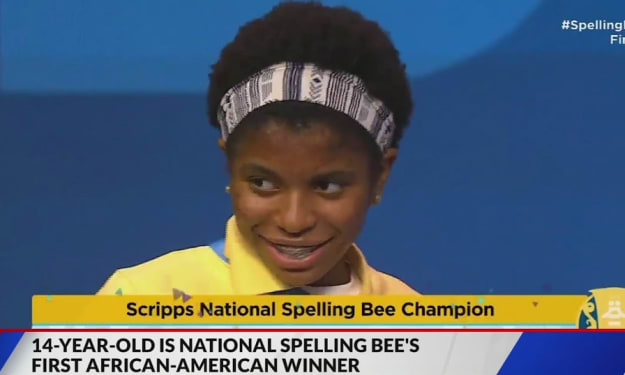
14-Year-Old Zaila Avant-garde First African American Wins National Spelling Bee
On Thursday, July 8, 2021, 14-year-old Zaila Avant-garde made history. The Harvey, Louisiana teen became the first African American to win the Scripps National Spelling Bee in its 96-year history. The only Black winner before her was Jody-Anne Maxwell from Jamaica in 1998. Zaila's championship also breaks a streak dating back to 2008 when at least one champion or co-champion was of South Asian descent.
By Margaret Minnicks5 years ago in Unbalanced
9-1-1: Rocky Mountains
The NHL has reached the penultimate day of March, and for the Colorado Avalanche, the month ends. Coming off a home loss to the Winnipeg Jets, the Avs remained at home against another Canadian franchise: the Calgary Flames. Oh boy. The Flames are a mess. Four years ago, this team finished first in the Pacific and reached the second round. What followed was the team losing so many relevant players, including watching one of them win a Stanley Cup--twice. The Flames are in total hell, but they'll at least draft early. So there's that.
By Clyde E. Dawkinsabout 18 hours ago in Unbalanced
What's Good for the Goose
The Colorado Avalanche's first meeting with the Pittsburgh Penguins was one to forget. A 7-2 drubbing on March 16, definitely not one of our finest moments. Nine days after that meeting, the Avs and Penguins meet again, this time in the Steel City, and this time, Sidney Crosby was in action. So they have someone back. Well, so do we. Ross Colton returned to action for the Avs, and Logan O'Connor suited up for the very first time this season.
By Clyde E. Dawkins7 days ago in Unbalanced


Comments
There are no comments for this story
Be the first to respond and start the conversation.