
How do I start my own private label with a hair extension manufacturer?
A Practical Guide to Building Quality, Identity, and Trust

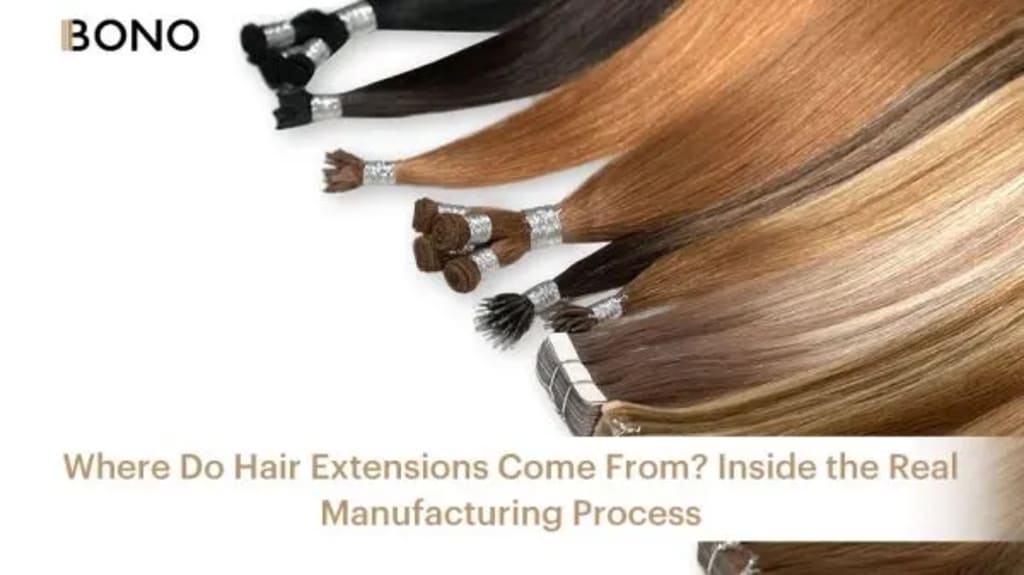
How to Start Your Own Private Label Hair Extension Brand: A Practical Guide to Building Something That Lasts
Starting your own hair extension brand sounds exciting at first.
You imagine your logo on sleek packaging.
Customers posting transformation photos.
Orders coming in consistently.
And in many ways, that vision is possible.
But what most people discover—usually a little later than expected—is that starting a private label hair brand isn’t just about selling hair.
It’s about making a series of clear, practical decisions.
Decisions that affect quality, consistency, and how your brand is perceived long before your first customer ever leaves a review.
Much like choosing the right equipment for a specific purpose, building a hair brand requires understanding not just what to sell—but how it’s made, delivered, and experienced.
Step 1: Choose a Business Model That Matches Your Reality
Before you contact any manufacturer, you need to decide how your business will operate.
There are two common paths:
Wholesale (Inventory-Based Model)
You purchase hair in bulk, store it, and handle packaging and shipping yourself.
This model gives you more control over branding and customer experience. You can inspect products, customize packaging, and build a more premium feel.
But it also requires upfront investment, storage space, and logistics management.
Dropshipping (Supplier-Fulfilled Model)
With dropshipping, your supplier ships products directly to your customers under your brand.
This reduces startup costs and eliminates the need for inventory. It’s often the preferred route for beginners testing the market.
However, it comes with less control over shipping speed, packaging consistency, and sometimes product quality.
Step 2: Find a Manufacturer You Can Rely On
This is the most critical step in the entire process.
Your marketing might attract customers—but your product quality is what keeps them.
Most hair manufacturers are concentrated in China, Vietnam, and India. Each region offers different advantages in terms of texture, durability, and pricing.
When evaluating a supplier, focus on these essentials:
Hair Quality: Look for 100% virgin Remy human hair with aligned cuticles
Consistency: Can they deliver the same quality across multiple orders?
Communication: Are they responsive and transparent?
Customization Options: Do they support private labeling, packaging, and product variations?
Always order samples before committing. Test for tangling, shedding, softness, and how the hair behaves after washing.
Manufacturers like Bono Hair are often chosen by private label startups because they combine consistent raw hair sourcing—especially Vietnamese hair—with flexible branding options. This makes it easier to maintain quality while building your own identity.
Step 3: Build a Brand, Not Just a Product Line
One of the biggest mistakes new businesses make is focusing only on the hair itself.
But customers don’t just buy hair.
They buy trust, presentation, and experience.
Private labeling gives you the opportunity to create something recognizable.
Key Branding Elements:
Custom Packaging: Branded boxes, satin bags, bundle wraps
Product Positioning: Are you luxury, affordable, beginner-friendly, or salon-grade?
Product Selection: Choose your focus—bundles, closures, tape-ins, or even hair systems
This is where your brand starts to separate itself from generic sellers.
For example, some businesses focus purely on extensions, while others expand into solutions for thinning hair or hair replacement—areas where companies like Bono Hair have already built expertise.
Step 4: Set Up the Business Properly
Behind every successful brand is a structure that supports it.
This includes:
Registering your business (such as an LLC)
Obtaining an EIN for tax purposes
Securing trademarks for your brand name and logo
Considering product liability insurance
These steps may not feel exciting, but they protect your business as it grows.
Skipping them early often leads to complications later.
Step 5: Create a Strong Digital Presence
Hair is a visual product.
People don’t just read about it—they want to see it.
This makes your online presence one of your most important assets.
Where to Focus:
Your Website: Platforms like Shopify allow you to build a clean, professional storefront
Social Media: Instagram, TikTok, and YouTube are essential for showcasing results
Content: Before-and-after transformations, tutorials, and real customer experiences
Your content should answer one simple question:
What will this hair look like in real life?
Step 6: Use Marketing That Builds Trust, Not Just Attention
It’s easy to get views.
It’s harder to build credibility.
Working with hairstylists, influencers, and real customers helps bridge that gap.
Micro-influencers, in particular, often deliver stronger engagement because their audiences trust their recommendations.
Focus on authenticity over perfection.
Because in the hair industry, trust converts better than hype.
The Difference Between Starting and Sustaining
Starting a hair brand is relatively accessible.
Sustaining one is where most people struggle.
The difference usually comes down to two things:
Consistent product quality
Clear brand identity
If your hair quality changes between orders, customers notice.
If your brand message is unclear, customers hesitate.
Working with reliable manufacturers—like Bono Hair—can reduce one of those risks significantly by ensuring consistency from the beginning.
Final Thoughts
Building a private label hair brand isn’t about chasing trends or copying what’s popular.
It’s about creating something dependable.
Something customers can return to—not just once, but repeatedly.
When done right, your brand becomes more than a product line.
It becomes a solution people trust.
And in a market filled with options, that trust is what turns a simple idea into a business that lasts.
About the Creator
Alex Morgan
Written by Bono Hair’s content team — experts in professional hair replacement solutions and advocates for confidence, authenticity, and self-expression through modern hair systems.
Keep reading
More stories from Alex Morgan and writers in Styled and other communities.
Sea Creatures Coaster Crochet Pattern - Fun & Creative Handmade Trend to Try
Crochet is no longer limited to traditional designs it has evolved into a creative space where fun, themed projects are taking over. One of the most exciting trends right now is the sea creatures coaster crochet pattern. From cute octopuses to playful turtles, these designs bring a refreshing twist to everyday crochet projects.
By Amit Mandal4 days ago in Styled

Comments
There are no comments for this story
Be the first to respond and start the conversation.