
Why Family-Focused Dog Training Leads to Happier Homes (and Fewer Shelter Returns)
How shared training habits across your household can prevent behavior issues and keep dogs in loving homes.

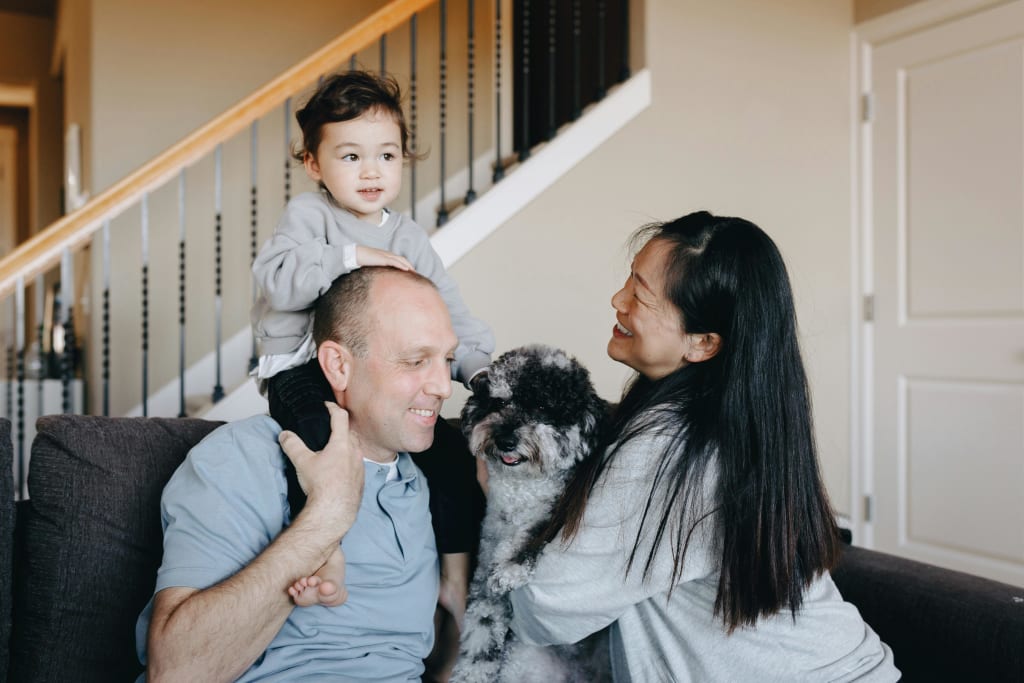
Chewed shoes, dinners turning into inadvertent games of fetch, and a doorbell that’s fallen into disuse for the incessant barking it elicits—if that describes your life as a pet owner, you’re not alone. Every year, thousands of dogs get returned to shelters for behavioral problems that are completely manageable and preventable.
But when a family decides that they “can’t do it anymore”, they’re not just adding to the worryingly growing statistic of shelter returns. They’re also missing out on the chance for a home filled with wagging tails, wet kisses, and warm snuggles.
What many of these families don’t realize is that they can’t just chalk up their pet’s poor behavior to disobedience. As it turns out, family-focused dog training might be the secret ingredient to fewer heartbreaking returns and a more fulfilling relationship with your pet.
What Is Family-Focused Dog Training?
Family-centered dog training is a collaborative approach in which all members of the household actively participate in training their pet. This philosophy reframes professional dog training as a team effort involving parents, kids, and even grandparents to teach safe, positive interactions with their pets.
Couples expecting babies or families raising toddlers also benefit from family-focused dog training that prepares your pet for life with a baby at home.
In practice, family-focused dog training can look a little something like this:
Consistency Across Cues
Family-focused dog training teaches everyone at home to use the same cues (for example, “sit” rather than “sit down”), hand gestures, tone of voice, and rewards. This not only reduces confusion for your dog but also works to generalize behaviors even when different people give cues.
Positive Reinforcement
Family-centered training focuses on using force-free techniques that reward good behavior instead of punishing “incorrect” behavior. Family members can set boundaries and build motivation by rewarding their dog’s desired behaviors with treats, praise, and play.
Household Integration
Training prepares families and their pets for real-life scenarios at home, such as kids playing loudly, the smells at dinnertime, the arrival of guests, walks with strollers on busy roads, and managing excitement around toys, food, and other distractions.
How Is Family-Focused Training Different?

Family-focused dog training puts an end to the classic “he only listens to Mom but ignores the kids and jumps on them” complaint by making every household member an equal stakeholder in their pet’s success.
An imbalance in cue interpretation often occurs because traditional dog training usually centers on a single handler. Now, while this can lead to great results with that person, it leads to spotty obedience with others.
But this ceases to be an issue with family-focused dog training since your dog receives the same clear message from everyone at home. It’s great for reinforcing cues, but also helps your pet get used to viewing all members of the household as equal authority figures.
Why Choose Family-Focused Dog Training?
At its core, family-focused dog training isn’t about teaching your dog tricks. It’s about building a unified household language and strengthening the bond between your pet and each family member.
Here's how making dog training a household team sport reduces risk and builds long-term harmony at home:
Prepare Dogs for the Arrival of a Baby
Often, when dogs begin displaying problem behaviors, it’s because they don’t quite know how to process change, or because their emotions about those changes can be overwhelming. But family-centered training supports dogs through major lifestyle shifts, such as the arrival of a newborn. Preparing your dog for the way home life will change makes this transition safer and smoother for everyone involved.
Teach Safe Interactions Between Kids & Dogs
Nothing is more important than ensuring that kids and dogs are safe around each other in your home. Family-focused dog training addresses this concern by teaching both children and pets safe greetings and demonstrating safe interactions.
Address Destructive Behavior
Dogs that chew through furniture, claw at surfaces, and act aggressively aren’t just being disobedient. They’re struggling to express a difficult emotion and settling on behaviors that might be comforting and familiar.
Family-focused dog training builds trust, mutual respect, and affection between your dog and each person at home. Creating a safe, understanding space for them in your home is a crucial step in addressing your pet’s behaviors and any distressing emotions they may be experiencing.
Promote Faster, Effective Learning
When all family members are involved in training, every interaction with your dog is an opportunity to learn. Repetition, consistent rewards, and more frequent practice of a cue promote faster learning and lead to more effective results.
Improve Impulse Control Around Food
One of the biggest fears for a pet parent is their dog impulsively eating something unsafe. This concern intensifies if your dog is often around toddlers who like to play with food or walk around while eating snacks.
But with family-centered dog training, you can train your pet not to snatch food from your kids and to wait for a release command around any food items. Aside from high veterinary bills and the physical duress your pet endures, this crucial piece of training can save young children from the emotional turmoil of watching their furry companion suffer after ingesting something harmful.
Foster a More Predictable Home Environment
Building structure and predictability at home means training your pet to obey boundaries in areas such as the kitchen, staircases, home entrances, and an infant’s room. This prevents accidents, keeps stimulating areas clear of distractions, and gives your dog clear, defined rules that let them know what you expect from them.
Reduce the Risk of Behavior-Driven Shelter Surrenders
Most rehoming and animal relinquishment cases stem from preventable behavior problems and inconsistent handling. But family-focused training addresses the root causes of these behaviors, helping more dogs stay in loving homes for life and reducing the frequency of shelter surrenders.
When unexpected pet behavior takes you by surprise, it’s crucial to address it in time with empathetic methods and science-backed training tools. Family-focused dog training does just this by involving every member of the household and educating them, along with your pet, about healthy behaviors they can use to manage challenging emotions and everyday situations.
Using science-backed methods and involving each member of your household are crucial steps to building a positive relationship with your dog and for establishing mutual trust in your bond.
About the Creator
Tess DiNapoli
Tess DiNapoli is an artist, freelance writer, and content strategist. She has a passion for yoga and often writes about health and wellness, but also enjoys covering the fashion industry and world of fitness.
Keep reading
More stories from Tess DiNapoli and writers in Petlife and other communities.
DIY Pet Spa Day: Safe and Fun Grooming Rituals You Can Try at Home
Every pet deserves a spa day—a day dedicated to grooming, massages, special treats, and quality snuggle time. If you’re not sure about how to go about a pet spa day, we’ve prepared a comprehensive itinerary to walk you through every step for the ultimate spa day experience! We’ll help you cover all important areas. Keep reading to discover what makes a pet's care day truly special.
By Tess DiNapoli5 months ago in Petlife
Velveteen Lop Rabbit Lifespan Size Color Diet and Interesting Facts
As we know when people assume Velveteen Lop Rabbit many time the sweet story of the Velveteen Rabbit comes to mind. The name of this breed is not taking from any rabbit, but the book The Velveteen Rabbit have a very cute, sociable, and friendly nature.
By Rabbits Advisor8 days ago in Petlife


Comments
There are no comments for this story
Be the first to respond and start the conversation.