
Why Cats Bring You "Gifts" – The Gross-but-Sweet Reason
Discover Why Your Feline Companion Leaves Dead Prey, Toys, and Other Surprises for You

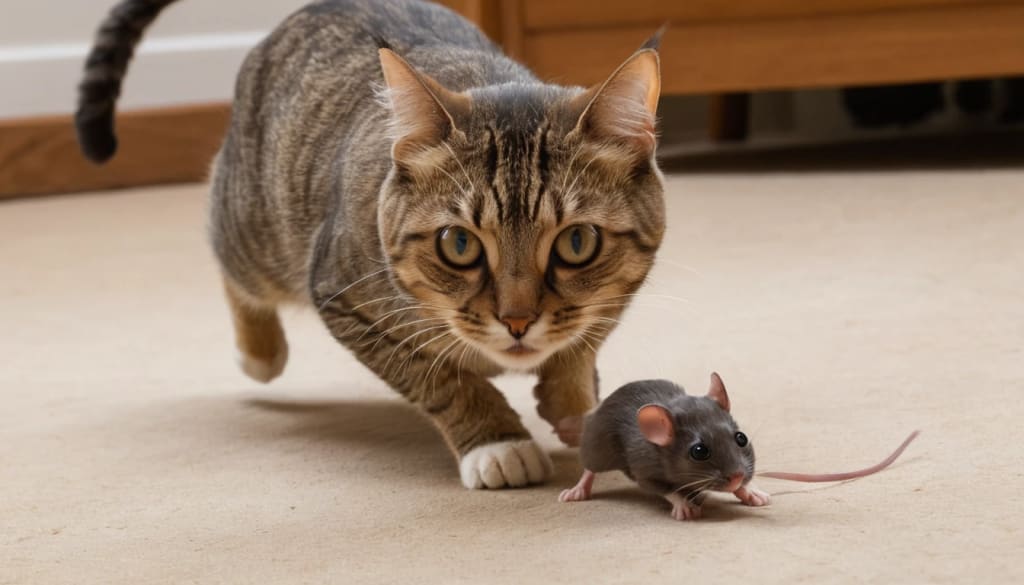
If you’ve ever found a dead mouse, a half-chewed insect, or a random toy at your doorstep, you know the bewildering side of cat ownership. Cats bringing “gifts” may seem gross, strange, or even unsettling, but there’s a surprisingly sweet reason behind this behavior. While it may not align with human standards of hygiene, the act is deeply rooted in feline instincts, social bonds, and communication.
1. Hunting Instincts and Natural Behavior
Cats are natural hunters, even domesticated ones. Their ancestors relied on hunting for survival, and domesticated cats retain these instincts. Bringing a caught animal or even a toy home reflects the completion of a hunting sequence. In the wild, cats bring prey back to their den for themselves or their kittens. Domesticated cats extend this behavior to their human “family,” considering you a trusted member of their social group.
2. You Are Part of Their Family
When a cat brings you a gift, it often sees you as part of its family. In feline social structure, adult cats teach kittens how to hunt by bringing them captured prey. Similarly, when a cat leaves a “gift” for you, it may be trying to provide for you, just as they would a kitten or fellow cat. This behavior is a sign of trust, affection, and acknowledgment of your importance in their life.
3. Demonstration of Skill and Pride
Cats can be proud creatures. Presenting you with a gift—whether a dead bug or a toy—can reflect their confidence and skill. They may be “showing off” their hunting abilities or celebrating an achievement. While humans may find it unpleasant, this is a way for cats to communicate competence and share their accomplishments with someone they care about.
4. Play and Stimulation
Not all gifts are dead prey. Many cats bring toys, socks, or household objects as part of their play behavior. This is often an invitation to engage in interactive play, demonstrating that they want to bond and spend time with you. Toys are easier and cleaner “gifts” but serve the same social purpose: signaling interest, trust, and connection.
5. Stress Relief and Outlet for Energy
Cats often hunt and bring objects as a way to release pent-up energy. A cat that spends time indoors may not have the opportunity to fully express its hunting instincts. Bringing items to you provides an outlet for these natural behaviors, reducing stress and maintaining their mental and emotional health. For indoor cats, gifts can be part of self-soothing or play sequences, helping them manage energy levels in a safe way.
6. Sign of Affection
While the gifts may seem unpleasant to humans, they are a form of affection from the cat’s perspective. They trust you enough to share their catch and include you in their world. This behavior reinforces the bond between owner and pet, demonstrating a unique form of love and recognition that is very feline-specific. A dead mouse may seem gross, but in cat terms, it’s a gesture of closeness.
7. Behavioral Communication
Cats communicate primarily through actions rather than vocalization. Gift-giving is a form of nonverbal communication. It can convey messages like “I care about you,” “I’m providing for you,” or “I want your attention.” Observing this behavior allows owners to interpret feline social signals and deepen their understanding of their pet’s personality and needs.
8. Genetic Predisposition and Breed Tendencies
Some cats are more prone to gift-giving based on genetics and breed tendencies. Breeds with strong hunting instincts or active, curious temperaments are more likely to present items to their owners. While any cat can develop this habit, individual personality, environment, and early life experiences also play significant roles in how frequently they deliver gifts.
9. How to Respond to Gifts
Understanding the reason behind the behavior helps owners respond appropriately. Expressing mild enthusiasm or gently redirecting a cat’s hunting outlet to toys can maintain the bond without encouraging potentially messy habits. Never punish a cat for bringing a gift, as it can lead to stress or confusion. Instead, recognize the gesture as affectionate and use it as a cue for interactive play or praise.
10. The Gross-but-Sweet Reality
Ultimately, gifts from cats are both gross and sweet. They reflect a complex combination of instinct, affection, communication, and trust. While humans may prefer to avoid dead prey in their living spaces, acknowledging the intention behind the act allows owners to appreciate the depth of the feline-human bond. These gestures, while unconventional, demonstrate the unique ways cats express love and include you in their world.
Cats are mysterious and often quirky companions, and gift-giving is one of their most puzzling yet endearing behaviors. Understanding the instincts, social bonds, and playful nature behind it transforms what seems like a gross surprise into a meaningful expression of feline affection. Next time you find a dead mouse, a chewed-up toy, or a random household object, remember: your cat is saying, in its own unique way, “I see you, I trust you, and I care about you”
About the Creator
Algieba
Curious observer of the world, exploring the latest ideas, trends, and stories that shape our lives. A thoughtful writer who seeks to make sense of complex topics and share insights that inform, inspire, and engage readers.
Wisteria Woo RIP
Wisteria Woo Silver~Rhodesian Ridgeback Cane Corso mix~ 7.19.15-3.2.26 My service dog, Wisteria, had been slowing down, having mysterious health symptoms like severe hives and unexplained injury. She went to the vet last month, but unfortunately, not all tests detect all problems. When we returned to the vet yesterday, upon much more concerning symptoms suddenly appearing, we learned she had a very large mass (10inx10in) likely the very aggressive hemangiosarcoma, and that we would only be buying a few months if we went through with treatment.
By K.B. Silver 27 days ago in Petlife
Are Maine Coon Cats Hypoallergenic? 10 Myths And Truths
Are Maine Coon Cats Hypoallergenic? 10 Myths You Should Stop Believing Maine Coon cats are one of the most breeds in the world. Their large size, fluffy fur, and friendly personality make them irresistible. But many people wonder: are Maine Coon cats hypoallergenic?
By Anna Smith5 days ago in Petlife
You Should Stop Trying to Be a Better Person
A year ago, I spent two days in the Colombian mountains drinking ayahuasca as part of a spiritual ceremony. An experience that pulled apart every detail of my being and rearranged me in a new sequence. I wish that life became easier after the feat. It didn’t.
By Annaise Michelle7 days ago in Humans


Comments
There are no comments for this story
Be the first to respond and start the conversation.