
Silent Danger How Deadly Can a Snake Really Be
Venom and fear the real dangers of snakes


In the quiet stillness of nature, where tall grass sways and shadows
stretch across the ground, a hidden presence often sparks both curiosity and fear—the snake. For centuries, snakes have been
symbols of danger, mystery, and even evil in stories and folklore. But how dangerous are snakes to humans, really? The answer is more
complex than many people think.
Snakes belong to a diverse group of reptiles found in almost every part of the world, from deserts and forests to rivers and grasslands.
With over 3,000 species identified, only a small portion of them are actually dangerous to humans. In fact, most snakes are harmless and
prefer to avoid human contact altogether. They are not naturally aggressive creatures; instead, they strike mainly in self-defense when
they feel threatened.
The danger associated with snakes largely comes from venom. Venomous snakes produce toxic substances that they use to
immobilize or kill their prey. This venom can affect the nervous system, blood cells, or tissues of the victim. Some of the most well-
known venomous snakes include cobras, vipers, and rattlesnakes. Their bites can be life-threatening if not treated quickly. However, it
is important to understand that not all venomous snake bites result in death. Modern medicine, especially the development of antivenom,
has greatly reduced fatality rates.
Despite their potential danger, snake bites are relatively rare when compared to other risks humans face daily. Most snake encounters
end without any harm. In many cases, people are bitten because they
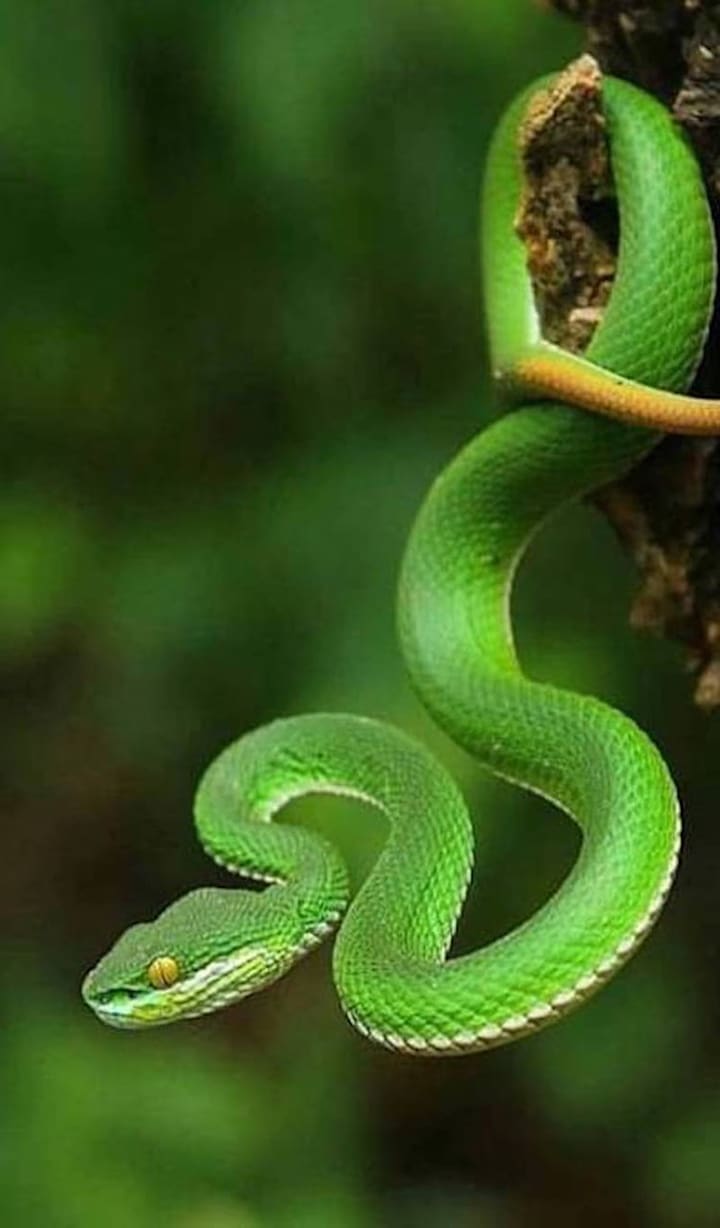
accidentally step on a snake or try to handle it. This highlights an important fact: snakes do not hunt humans. They simply react to
perceived threats.
In rural areas, particularly in parts of Asia, Africa, and South
America, snake bites are more common due to closer contact between humans and wildlife. Farmers working in fields or people living in
snake-prone environments may face higher risks. Even then, simple
precautions such as wearing protective footwear, using a flashlight at night, and keeping surroundings clean can significantly reduce the
chances of a bite.
Interestingly, snakes also play a vital role in maintaining ecological balance. They help control populations of pests such as rats and mice,
which can damage crops and spread disease. Without snakes, these
pest populations could grow uncontrollably, causing more harm to human communities. In this way, snakes are not just creatures to fear
but also important contributors to the environment.
The fear of snakes, known as ophidiophobia, is one of the most common phobias in the world. This fear is often fueled by myths,
exaggerated stories, and lack of knowledge. Movies and media
frequently portray snakes as aggressive killers, which adds to the misunderstanding. In reality, snakes are shy, secretive animals that

prefer to stay hidden.
Understanding how to behave around snakes can make a big difference in safety. If you encounter a snake, the best action is to
remain calm and keep your distance. Do not attempt to touch or
provoke it. Most snakes will move away if given space. Respecting their habitat and avoiding unnecessary interaction is the key to
peaceful coexistence.
It is also worth noting that even among venomous snakes, many bites are “dry bites,” meaning no venom is injected. This occurs when a
snake delivers a warning bite rather than a full attack. While still serious, these bites are less dangerous than envenomed ones.
Nevertheless, any snake bite should be treated as a medical emergency, and immediate medical attention should be sought.
Education and awareness are powerful tools in reducing snake-related dangers. By learning to identify common venomous species in
a region and understanding their behavior, people can better protect themselves. Communities that promote snake awareness often
experience fewer incidents and less fear overall.
In conclusion, while snakes can be dangerous, they are not the relentless threats they are often made out to be. The majority of
snakes are harmless, and even venomous ones rarely pose a risk unless provoked. By respecting nature, staying informed, and taking
simple precautions, humans can safely share the environment with
these fascinating creatures. Rather than fearing snakes blindly, it is more beneficial to understand them—because knowledge turns fear
into respect, and respect leads to safety.
About the Creator
Niaz Muhammad
Insha Allah, I will write in such a good way that people with weak eyesight or the elderly can easily read it.
Keep reading
More stories from Niaz Muhammad and writers in Petlife and other communities.


Comments
There are no comments for this story
Be the first to respond and start the conversation.