
Indoor Cat vs Outdoor Cat: Pros, Cons, and Safety
Discover the Benefits, Risks, and Safety Tips of Keeping Cats Indoors or Letting Them Explore Outside


A door opens, and a cat pauses at the threshold. Inside, there is warmth, routine, and safety. Outside, there is movement, scent, unpredictability—a world alive with possibility.
For many cat owners, this moment represents a larger question: should a cat live strictly indoors, or should it be allowed to explore the outside world?
It’s a debate shaped by instinct, environment, and personal philosophy. Some see the outdoors as essential for a cat’s happiness. Others see it as a landscape of hidden dangers.
The truth lies somewhere in between, shaped by understanding both sides.
The Indoor Cat: A Life of Safety and Structure
Keeping a cat indoors offers one undeniable advantage: protection.
Inside, a cat is shielded from traffic, predators, disease, and countless unpredictable hazards. The environment is controlled, consistent, and far less risky.
Indoor cats typically live longer lives. Without exposure to external threats, their chances of injury or illness are significantly reduced.
But safety comes with a trade-off.
An indoor cat’s world is limited. The same rooms, the same objects, the same routines can become repetitive. Without stimulation, boredom can set in.
This is why enrichment becomes essential. Climbing structures, interactive toys, window perches, and regular play are not luxuries—they are necessities.
An indoor cat can live a full, happy life, but only if their environment evolves with their needs.
The Outdoor Cat: Freedom and Instinct
For a cat, the outdoors is a living landscape of stimulation. Every scent tells a story. Every movement invites attention.
Climbing, hunting, exploring—these behaviors are deeply rooted in feline instinct. Outside, a cat can express them fully.
This freedom can lead to high levels of mental and physical stimulation. Outdoor cats often appear more active, more engaged with their environment.
But this freedom comes with risk.
Traffic accidents are one of the most common dangers. Even a cautious cat can misjudge a fast-moving vehicle.
There are also risks from other animals, including fights with other cats, encounters with dogs, or exposure to wildlife.
Disease is another concern. Outdoor cats are more likely to encounter parasites, viruses, and infections.
The outside world is rich, but it is not gentle.
Health Differences Between Indoor and Outdoor Cats
Indoor cats generally experience fewer injuries and illnesses. They are less exposed to parasites, infections, and physical trauma.
However, they may be more prone to obesity due to lower activity levels. Without natural hunting behavior, their exercise must be provided through play.
Outdoor cats, on the other hand, tend to be more physically active. They run, climb, and explore regularly.
But this activity comes at a cost. Injuries, infections, and shorter lifespans are more common.
In simple terms, indoor cats face fewer dangers but require more intentional care, while outdoor cats experience more stimulation but greater risk.
Behavioral Considerations
A cat’s personality plays a significant role in determining what environment suits them best.
Some cats are naturally curious and energetic. They may become frustrated if confined indoors without sufficient stimulation.
Others are more relaxed and cautious. These cats may prefer the predictability and safety of an indoor environment.
Behavioral issues can arise in both settings. Indoor cats may develop boredom-related behaviors such as scratching, overeating, or excessive vocalization.
Outdoor cats may become territorial, aggressive, or difficult to manage due to their exposure to external stimuli.
Understanding your cat’s temperament is key to making the right choice.
Safety Risks of Outdoor Living
Allowing a cat outdoors introduces variables that cannot be fully controlled.
Traffic is the most obvious danger, but not the only one.
Poisoning from plants, chemicals, or contaminated food can occur.
Fights with other animals can lead to injuries or infections.
There is also the risk of getting lost, stolen, or trapped.
Even well-adapted outdoor cats face these dangers daily.
This does not mean outdoor access is always wrong—but it does mean it should be approached with caution.
Safer Alternatives to Free Roaming
For those who want to give their cat outdoor experiences without full exposure to risk, there are alternatives.
A secure outdoor enclosure, often called a “catio,” allows cats to experience fresh air and stimulation while remaining protected.
Leash training is another option. With patience, some cats can learn to walk outdoors safely under supervision.
Supervised outdoor time, even in a garden or enclosed space, can provide enrichment without the full risks of free roaming.
These approaches create a middle ground—one that balances freedom and safety.
How to Keep an Indoor Cat Happy
If your cat lives indoors, enrichment is essential.
Provide vertical space such as cat trees or shelves. Cats feel more secure when they can observe their environment from above.
Rotate toys to keep them interesting. Interactive play, especially with moving objects like feather wands, mimics hunting behavior.
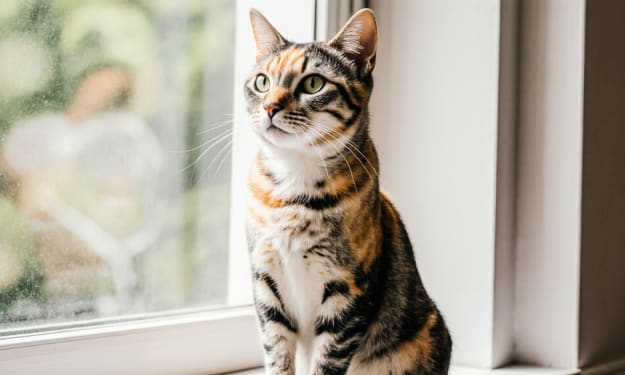
Window access can also be valuable. Watching birds, people, and outdoor movement provides mental stimulation.
Routine matters as well. Feeding, playtime, and rest should follow a predictable pattern.
An enriched indoor environment can be just as fulfilling as the outdoors—when designed thoughtfully.
How to Reduce Risks for Outdoor Cats
If your cat does go outside, there are steps you can take to improve their safety.
Ensure they are vaccinated and protected against parasites.
Microchipping increases the chances of being reunited if they get lost.
Neutering reduces roaming and aggressive behavior.
Limiting outdoor access to daylight hours can reduce certain risks.
Even with precautions, risk cannot be eliminated—but it can be reduced.
The Emotional Side of the Decision
Choosing between indoor and outdoor living is not just practical—it’s emotional.
It involves balancing your cat’s instincts with their safety. Their desire for exploration with your responsibility to protect them.
There is no single answer that fits every situation. What works for one cat may not work for another.
The best decision is one that considers your environment, your cat’s personality, and your ability to provide care and supervision.
Final Thoughts
The question of indoor versus outdoor life is not a simple one. It is a balance between freedom and safety, instinct and protection.
An indoor cat can live a long, secure, and fulfilling life with the right environment.
An outdoor cat can experience a world rich with stimulation, but also filled with risk.
Between these two paths lies a spectrum of possibilities—ways to create a life that honors both your cat’s nature and their well-being.
In the end, the goal is not to choose a side, but to choose wisely.
Because whether inside or outside, what matters most is that your cat feels safe, engaged, and deeply at home in the world you share.
About the Creator
Algieba
Curious observer of the world, exploring the latest ideas, trends, and stories that shape our lives. A thoughtful writer who seeks to make sense of complex topics and share insights that inform, inspire, and engage readers.
Wisteria Woo RIP
Wisteria Woo Silver~Rhodesian Ridgeback Cane Corso mix~ 7.19.15-3.2.26 My service dog, Wisteria, had been slowing down, having mysterious health symptoms like severe hives and unexplained injury. She went to the vet last month, but unfortunately, not all tests detect all problems. When we returned to the vet yesterday, upon much more concerning symptoms suddenly appearing, we learned she had a very large mass (10inx10in) likely the very aggressive hemangiosarcoma, and that we would only be buying a few months if we went through with treatment.
By K.B. Silver 26 days ago in Petlife
Everything You Need To Know About The Calico Tabby Cat
Calico Tabby Cat: Everything You Need to Know About This Unique Feline If you’ve ever seen a calico tabby cat, you probably noticed how special and eye-catching it looks. With a mix of beautiful colors and striped patterns, these cats are truly one of a kind. But there’s more to them than just their appearance.
By Anna Smith5 days ago in Petlife



Comments
There are no comments for this story
Be the first to respond and start the conversation.