
Mahlagha Jaberi and the Magic of Photoshop!
How Image Editing Changed Beauty Standards...

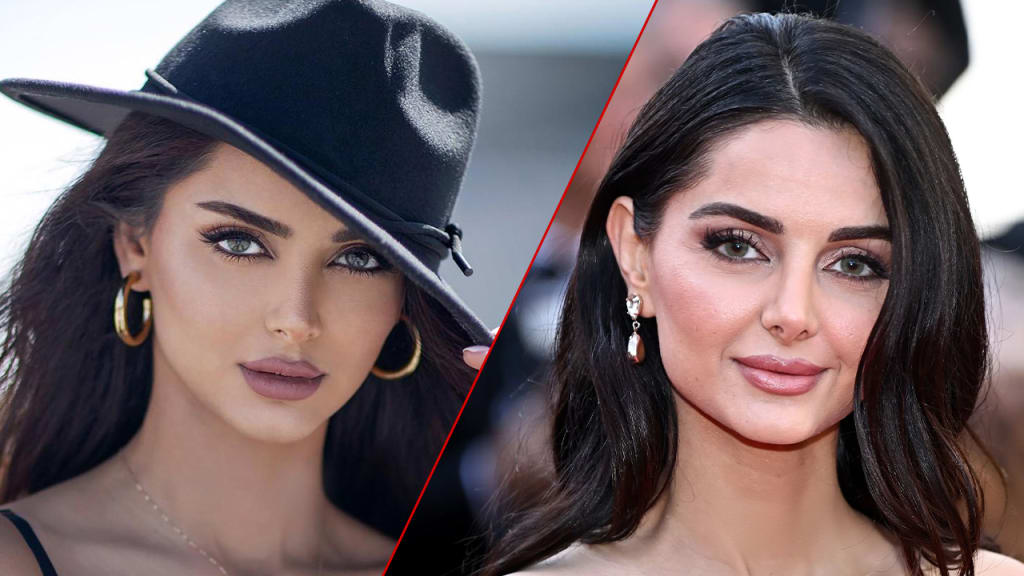
From the early 2010s, the strikingly beautiful images of Iranian model and influencer Mahlagha Jaberi went viral across social media platforms like Facebook and MySpace. With her flawless face, tall stature, and striking green-gray eyes, she quickly became one of the most recognizable faces among Iranian and Arabic-speaking audiences. But were these images always an accurate reflection of reality? Was Mahlagha Jaberi truly the person millions of people fell in love with in photos?
In this article, we take a neutral, factual look at the evolution of Mahlagha Jaberi’s appearance from 2008 to the present day. The focus is on her use of Photoshop, beauty filters, colored lenses and (cosmetic surgery), tools that not only boosted her fame but also had a profound effect on beauty standards in Iranian and Arab societies.
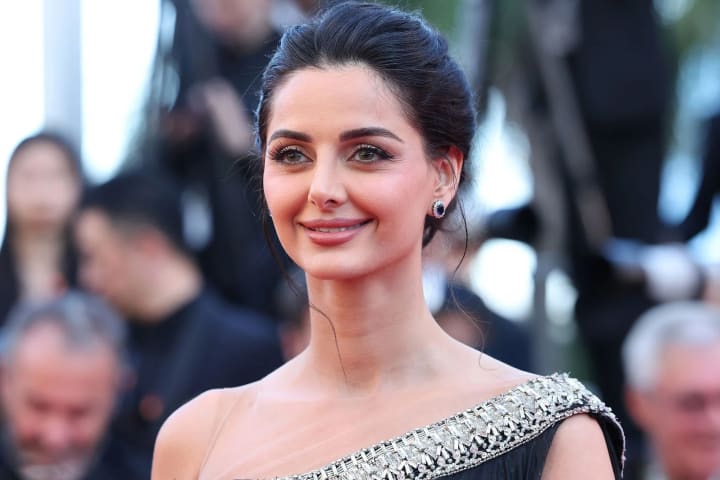
Before 2020, most social media users were largely unaware of professional retouching, beauty filters, or video editing. Smartphones had not yet reached today’s level of sophistication, and artificial intelligence did not exist in everyday tools. As a result, celebrity and model photos were often accepted without question. Mahlagha Jaberi was one of the figures who rose to fame rapidly in this environment.
In the late 2000s and early 2010s, with the rise of Facebook and MySpace, a wave of Iranian models emerged who were known for their tall figures, voluminous hair, doll-like faces, and signature green-gray eyes: Claudia Lynx, Leyla Milani, Niloofar Behboudi, Donya Jahanbakht, Elnaz Golrokh, Tala Golzar, Nahal Soltani, and many others. Among them, Mahlagha Jaberi earned the nickname “Iran’s Miniature Doll” and soon took the title of “Most Beautiful Iranian Woman” from Claudia Lynx.
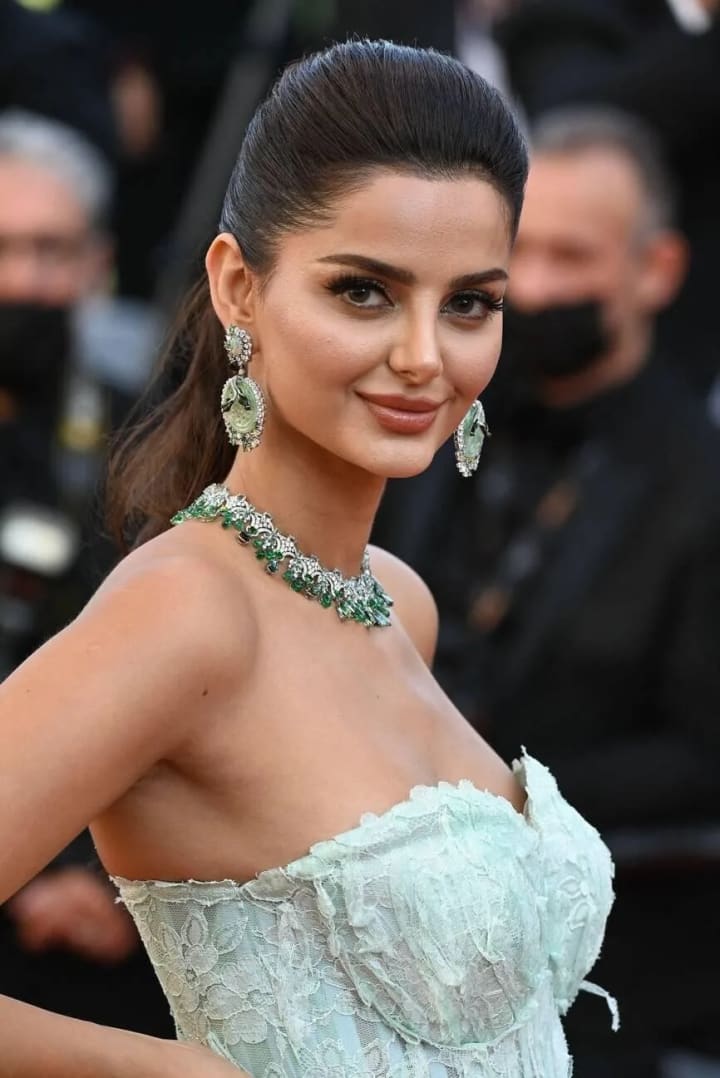
This shared visual template had a noticeably negative impact on beauty standards. Teenage girls and young women began undergoing cosmetic surgeries (jaw contouring, rhinoplasty, lip fillers, Botox), heavy makeup, colored contact lenses, and strict diets in an attempt to resemble these images. The market for plastic surgeons and beauty salons boomed, and many people accepted serious health risks to achieve the look.
But was Mahlagha Jaberi always exactly as she appeared in her shared images?
Eye Color: From Green-Gray to Dark Brown!
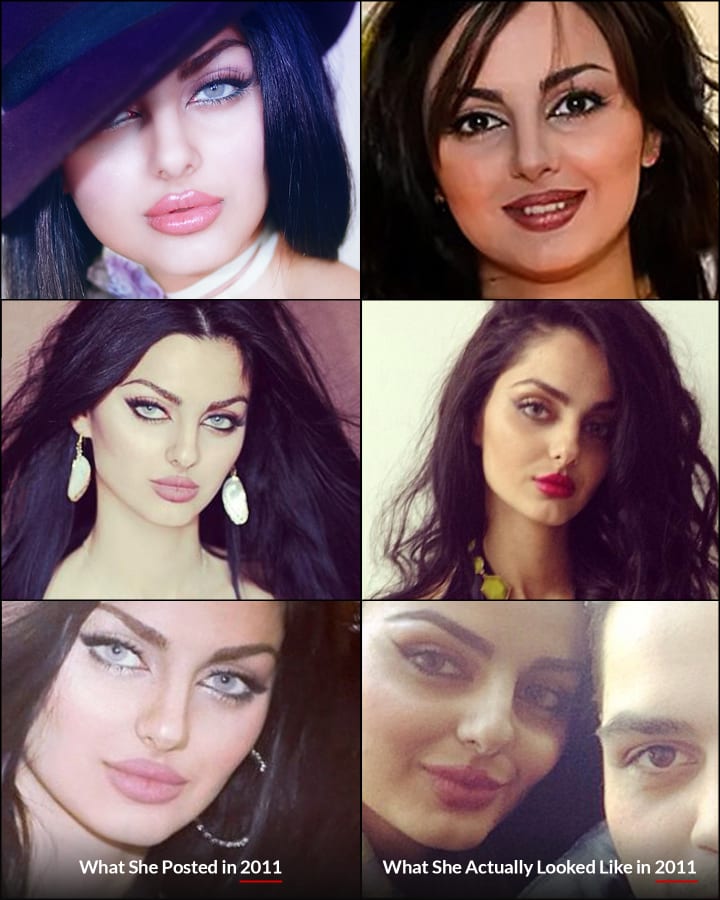
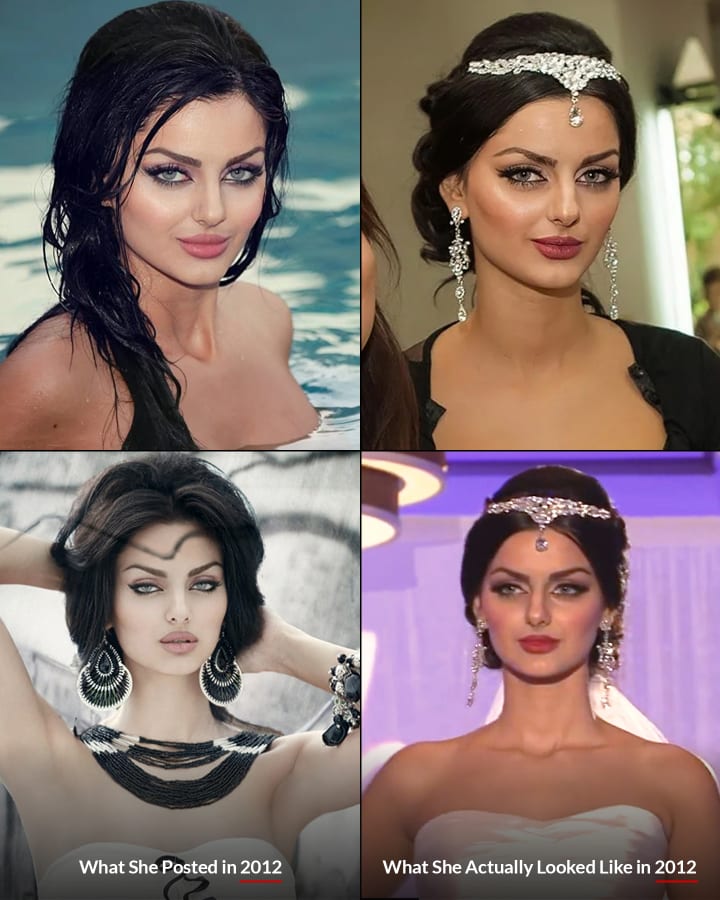
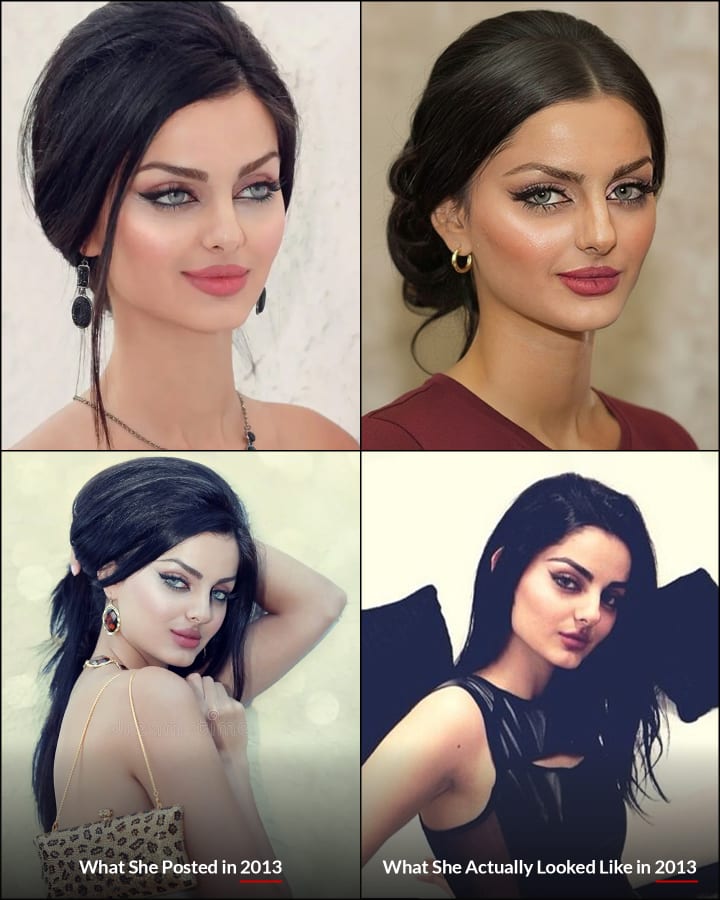
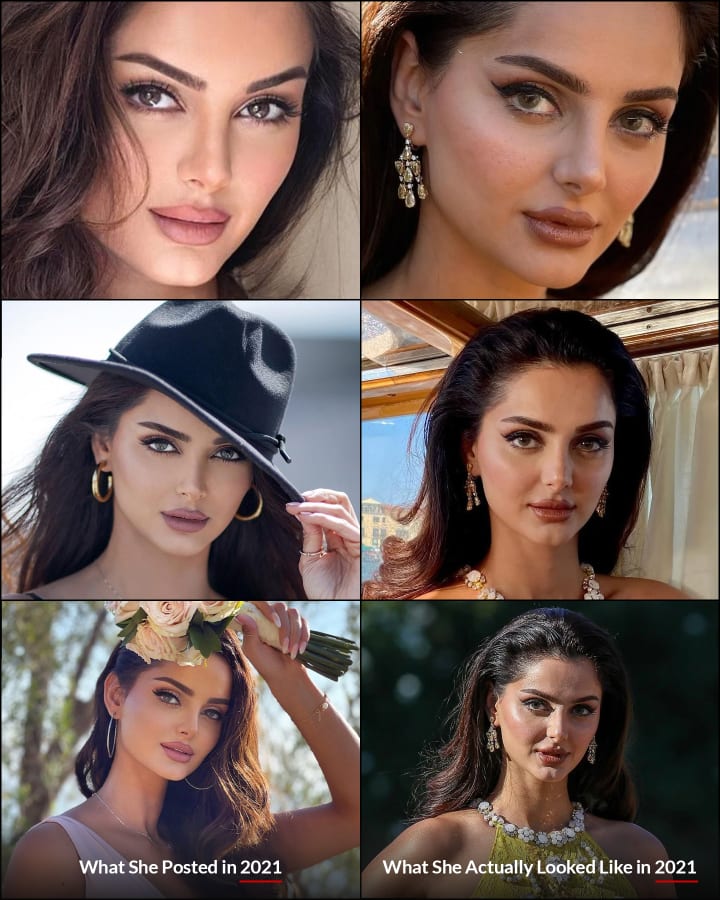
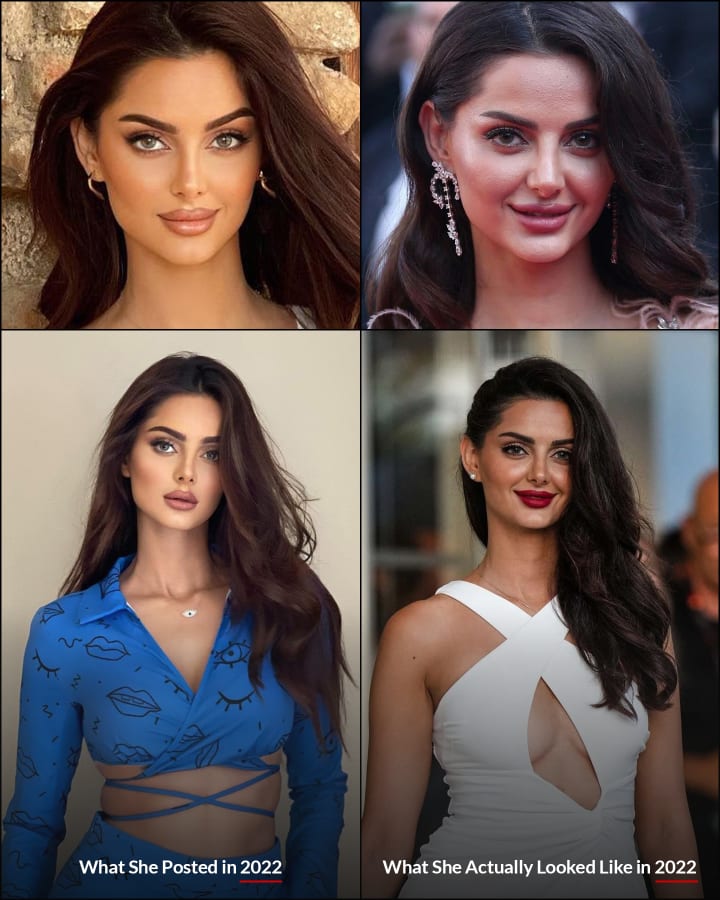
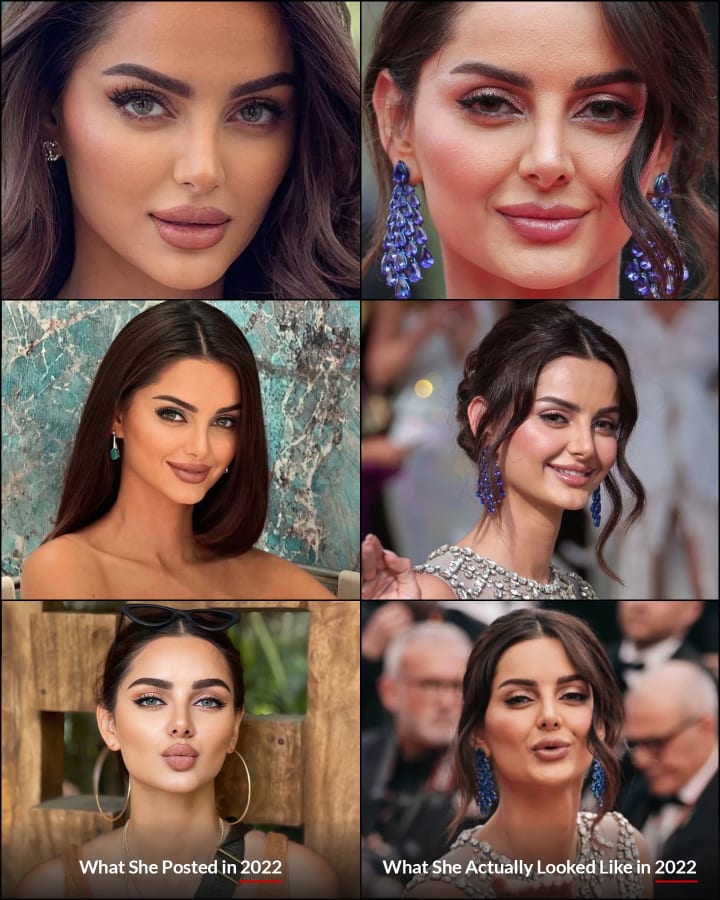
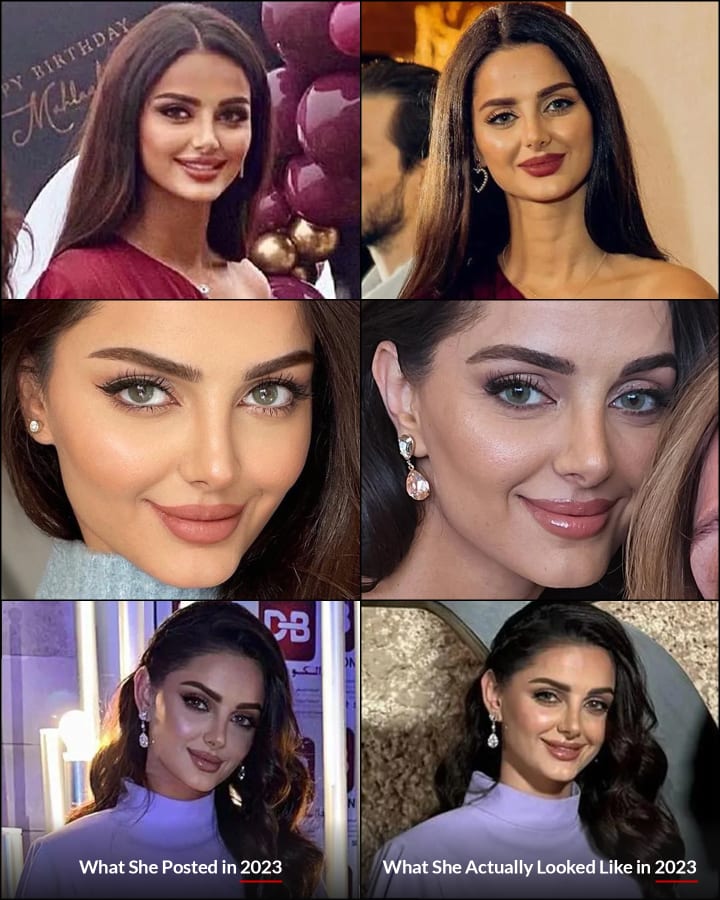
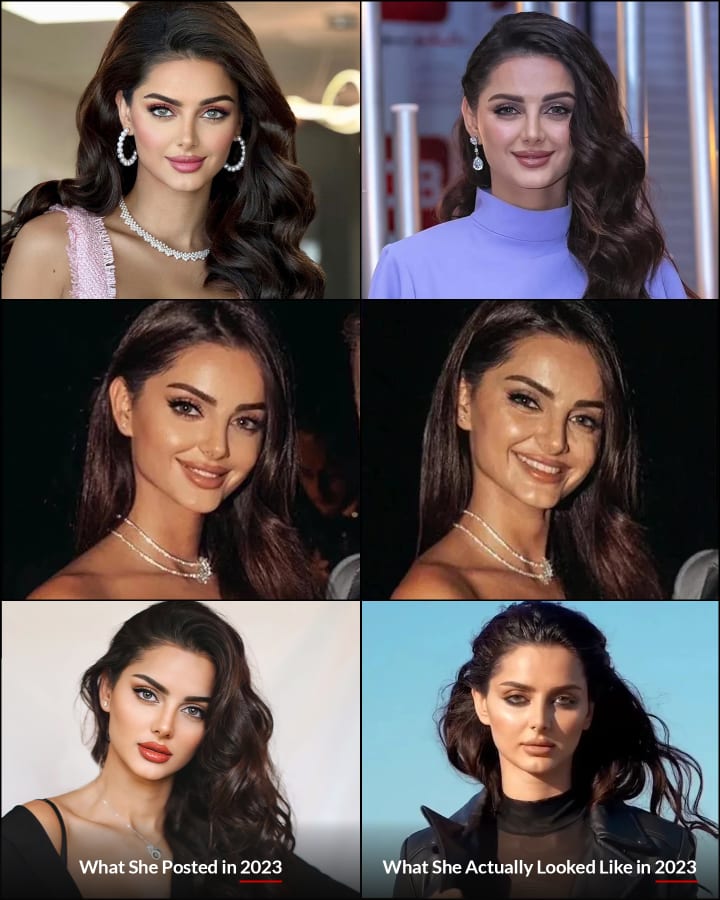
One of the most distinctive features in Mahlagha Jaberi’s early images was her eye color. However, in 2021 she publicly admitted for the first time that her natural eye color is dark brown and that she had previously used colored contact lenses and Photoshop. This confession, coming after years of posting heavily edited photos, sparked widespread discussion on social media (especially Reddit).
Height: Inconsistent Claims
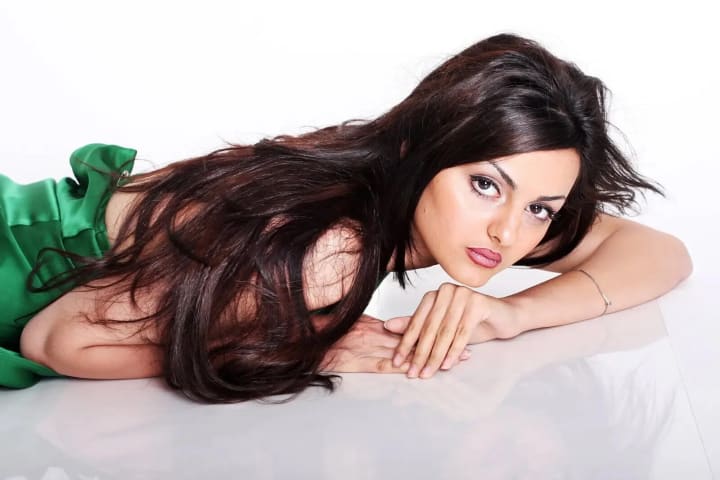
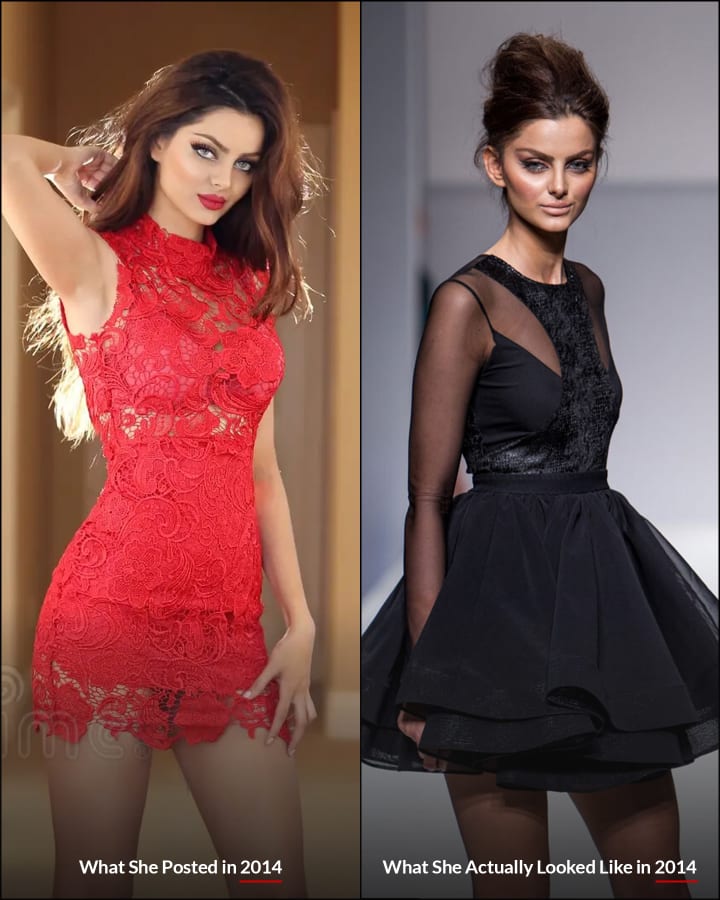
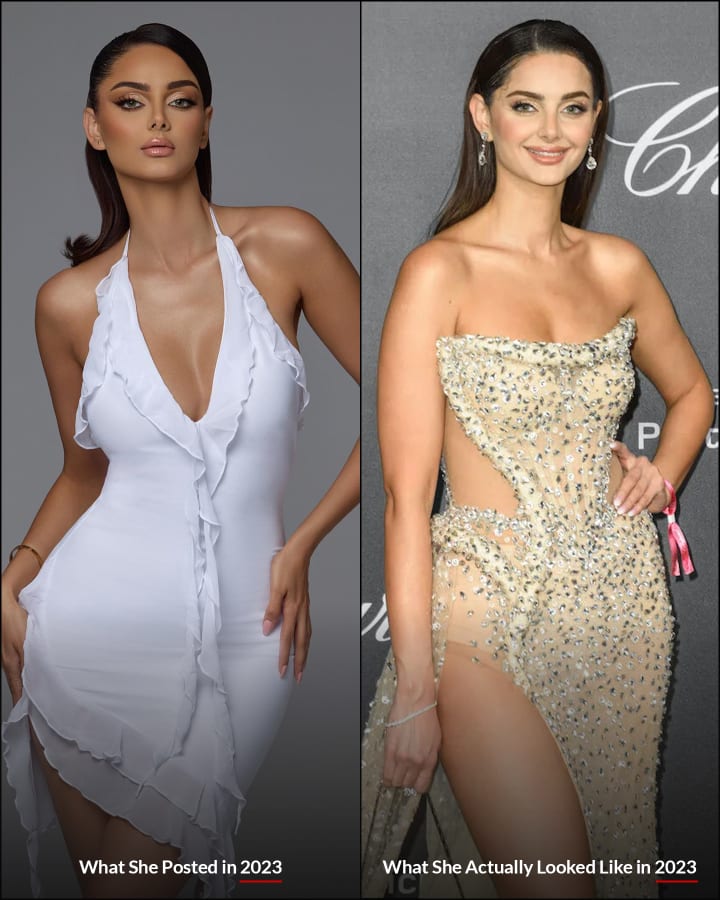
In 2011, Mahlagha Jaberi posted on Facebook that her height was first 175 cm and then 178 cm. By 2023, however, she stated in an Instagram Story that she is 172 cm tall. Wikipedia lists her height as 1.68 m (5 ft 6 in). Notably, in photos alongside celebrities such as Priyanka Chopra and Selena Gomez (both approximately 166–168 cm) while wearing similar heels, she appears roughly the same height as them.
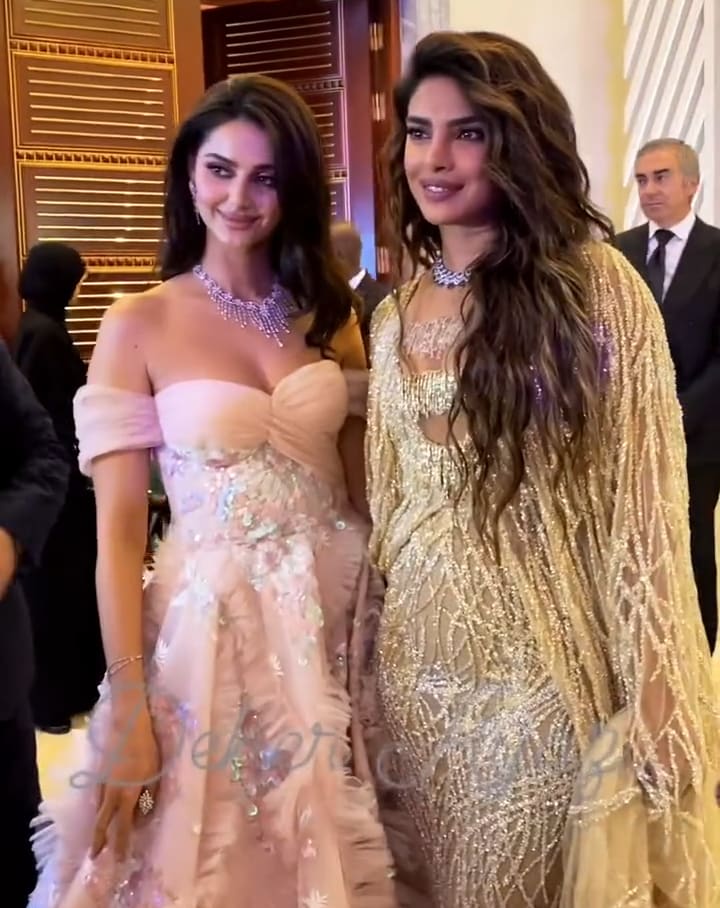
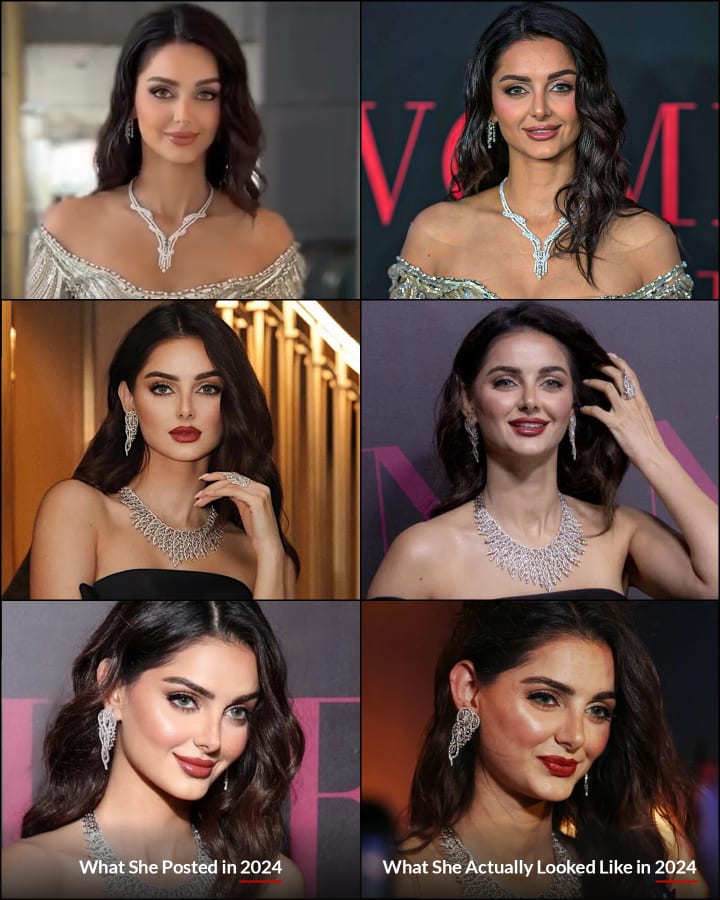
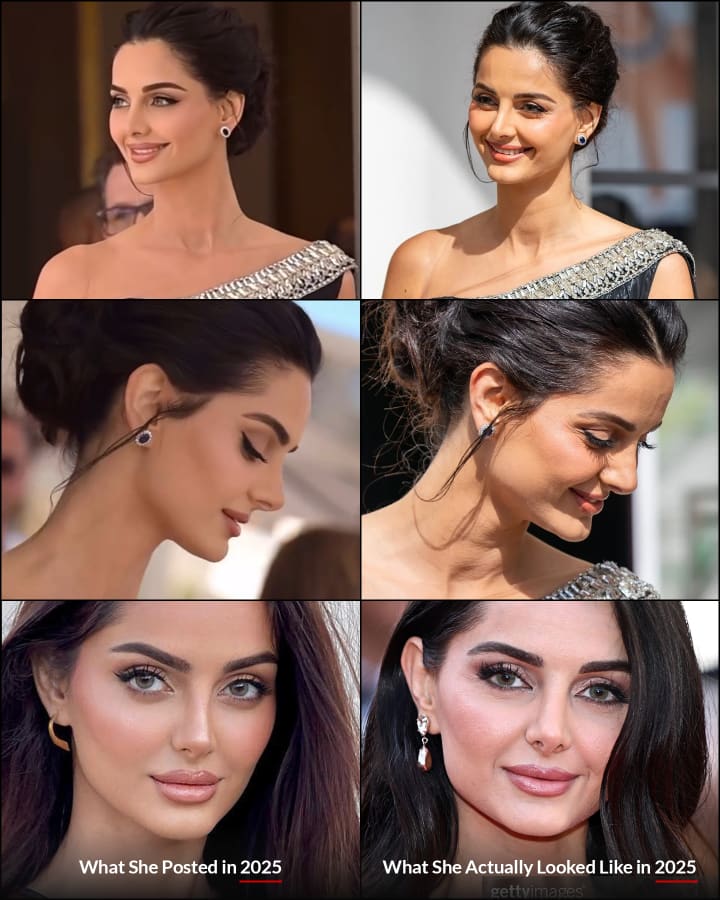
Visual Timeline Gallery: 20 Photos Showing Year-by-Year Changes (2008–Present)
These discrepancies, combined with heavy retouching of skin texture, lip shape, eye shape, eye color, nose, and facial contours in her Instagram photos and videos, clearly demonstrate extensive use of editing tools.
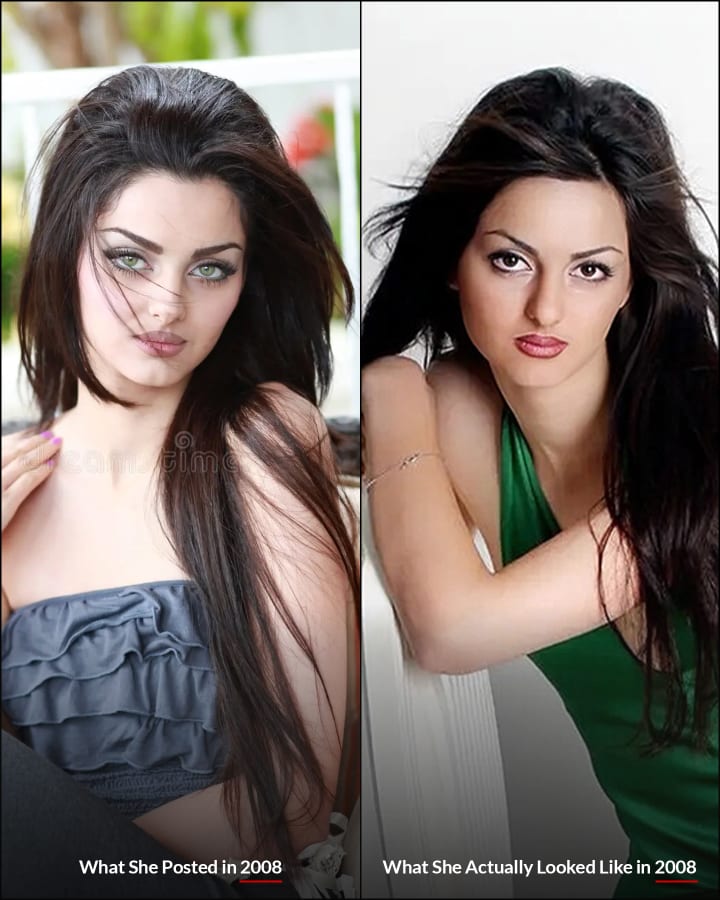
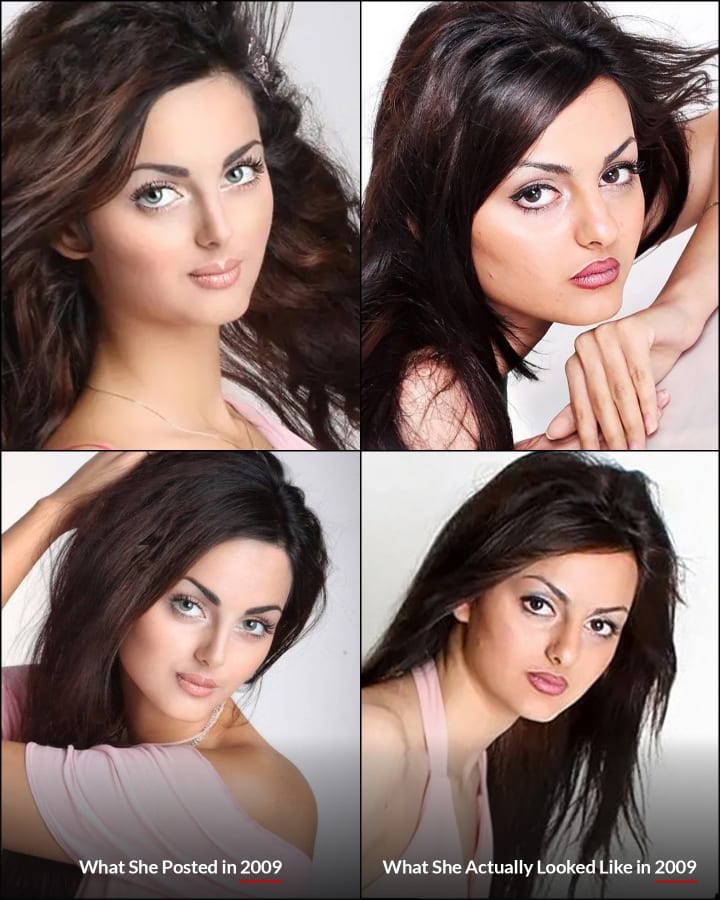
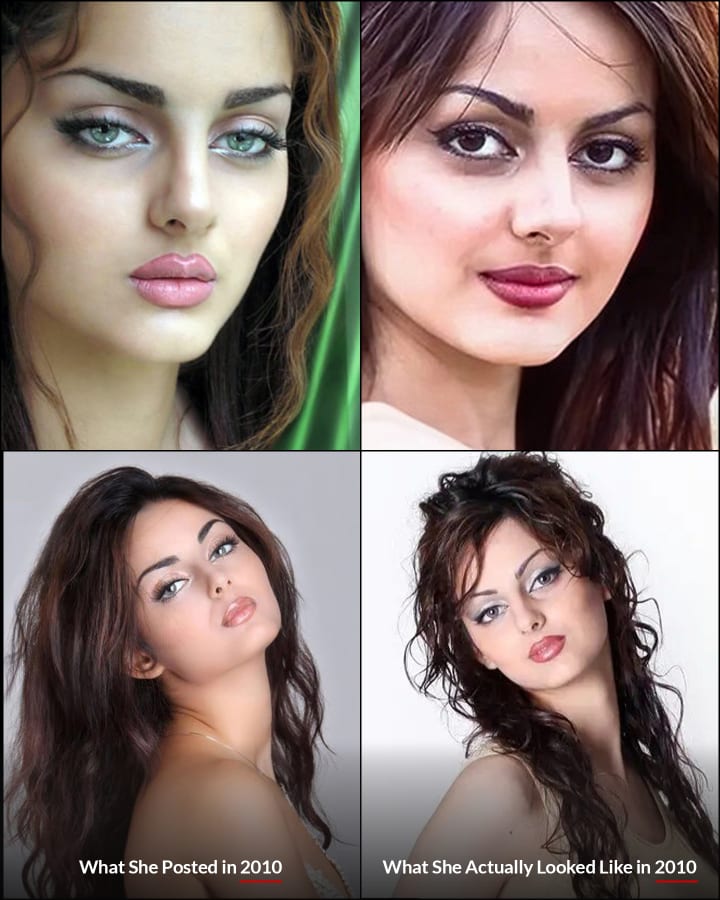
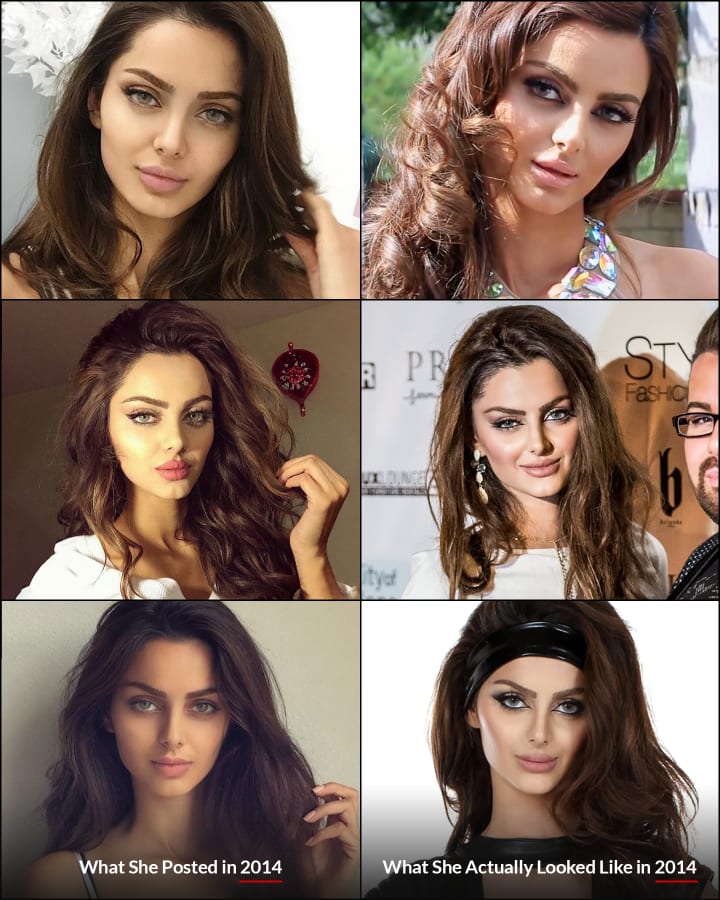
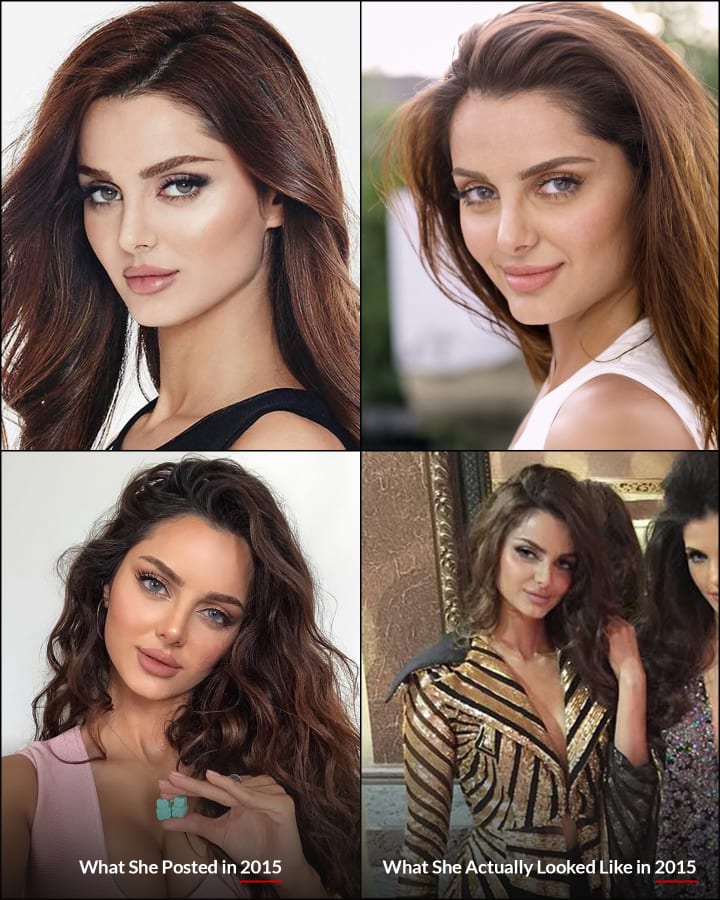
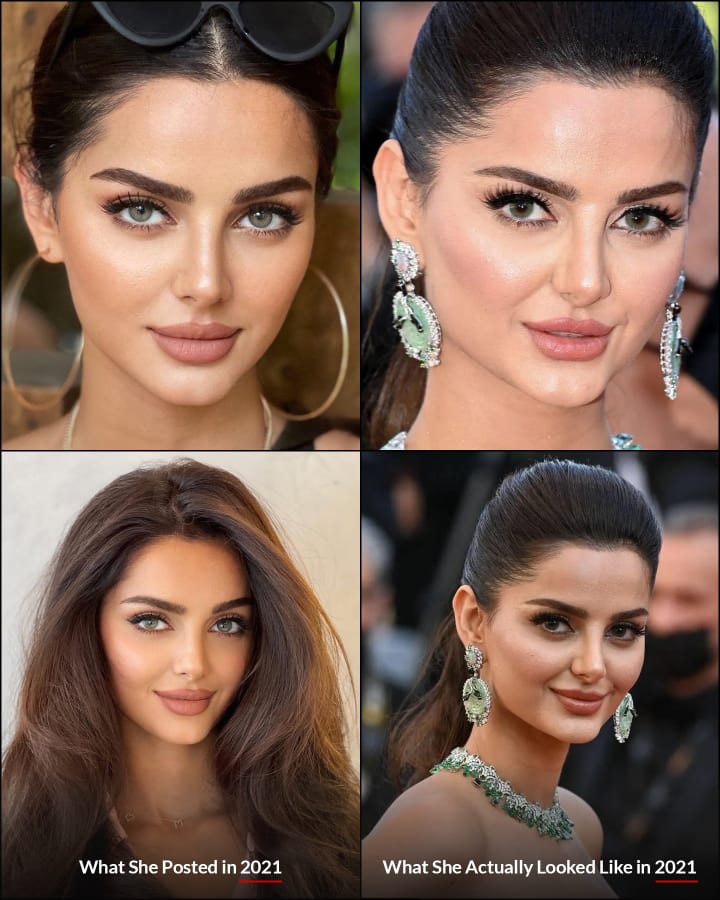
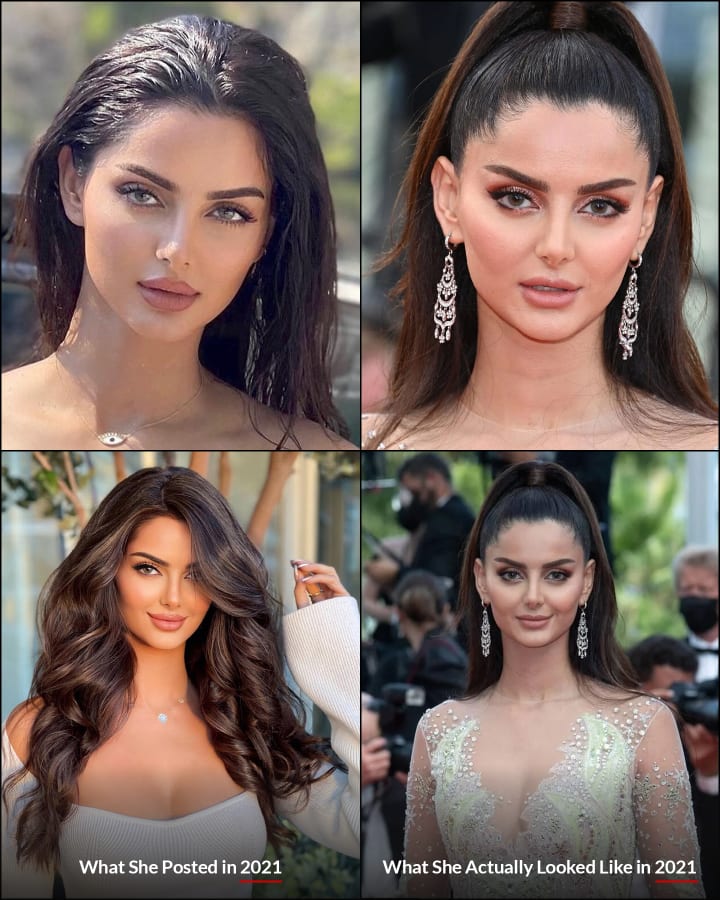
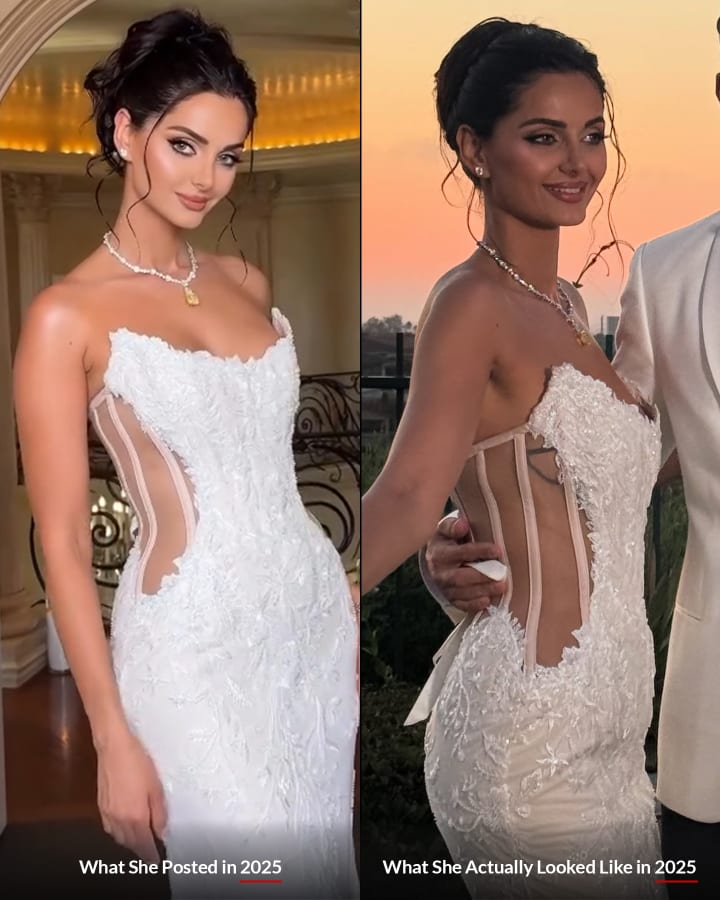
Impact on Beauty Standards
With more than 4 million followers on Instagram (@mahlaghajaberi), Mahlagha Jaberi remains one of the most influential figures for Iranian and Arabic-speaking audiences. Her edited images promoted a “flawless” beauty ideal that many young girls tried to replicate. Similar to the effect of East Asian models, this trend led to an unprecedented boom in cosmetic surgery and beauty products in Iran.
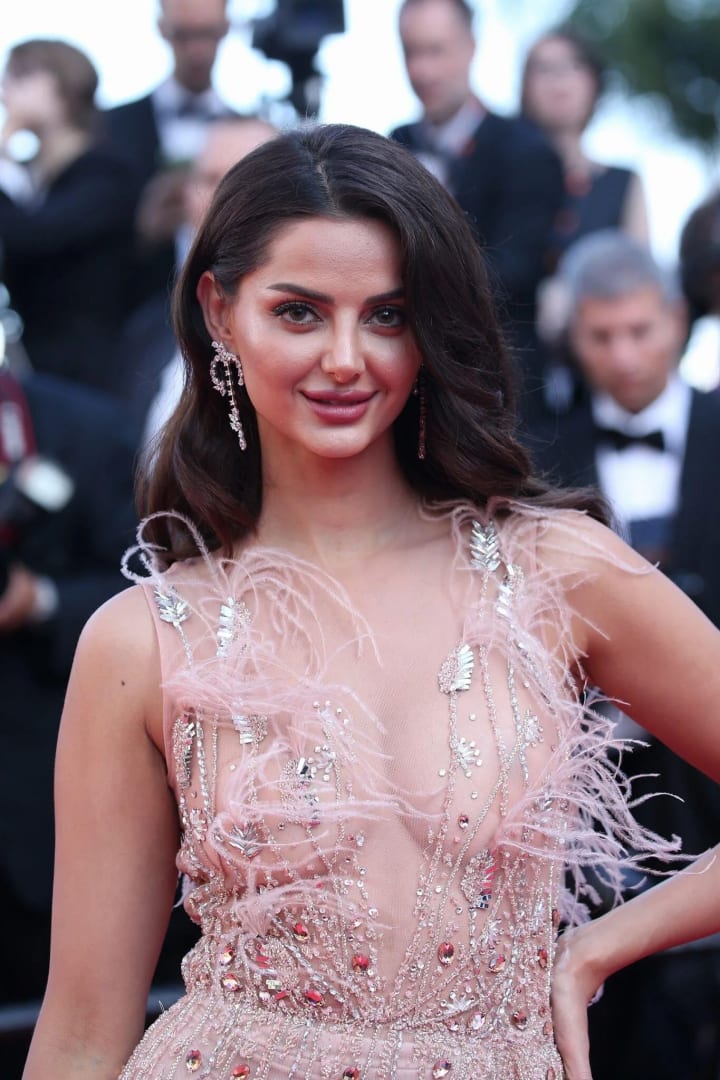
Of course, Mahlagha Jaberi is still a beautiful and successful woman. She has walked red carpets at international festivals such as Cannes and has built her own brand. The real question, however, is this: when the published images are not 100% authentic, what effect does this have on the self-confidence and expectations of young followers?
Conclusion
In the age of social media, image editing (also video filters) has become part of the culture. Mahlagha Jaberi is a clear example of this phenomenon: a talented beautiful woman who achieved fame, yet whose use of Photoshop and filters elevated her image far beyond reality. Her 2021 confession was a positive step, but the conversation about transparency continues.
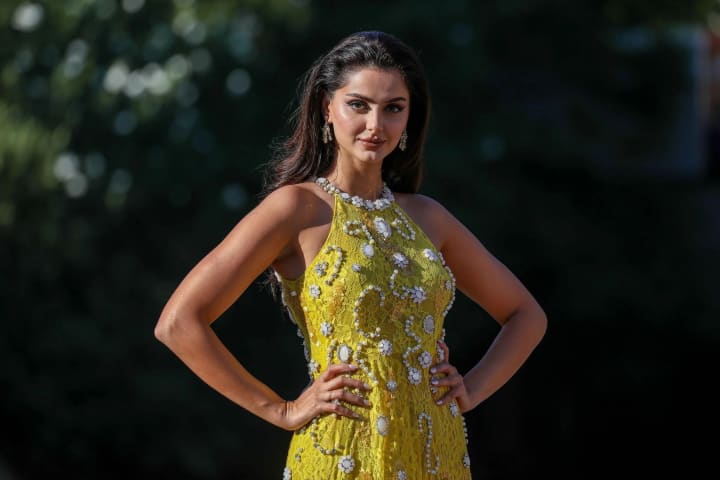
Ultimately, real beauty goes beyond pixels. Thanks to artificial intelligence and editing-detection tools, today’s audiences are more aware and expect greater honesty from influencers. Perhaps the time has come for beauty standards to be built on acceptance of diversity and reality — not on edited images.
About the Creator
SigmaSelena
Beauty Journalist, Living in Istanbul
Keep reading
More stories from SigmaSelena and writers in Motivation and other communities.
The Story of Claudia Lynx: Talent Beyond the Spotlight
Shaghayegh Samen, known professionally as Claudia Lynx is an Iranian actress, model and former singer. Claudia Lynx was born on June 8, 1982, in Tehran, Iran, to an Iranian family. She has an older brother named Shervin. Tragically, moments after her birth, her mother (Shirin Samen) aged 24, passed away due to complications from childbirth. Three months following this tragedy, Claudia's father (Bijan Samen) decided to leave Iran and immigrated with his children to Norway. After five years in Norway, the Samen family relocated to Canada and later settled in the United States.
By SigmaSelena3 months ago in Interview
🌱 Ways to Make Money & Attract Wealth
Making money isn’t just about working harder or chasing every opportunity. It’s more like planting seeds, taking care of them, and patiently watching them grow. Some seeds grow fast, some take time—but all require intention, consistency, and a little bit of belief.
By Zidaneabout 5 hours ago in Motivation
From Broke to the Penthouse: The Side Hustle That Changed Everything
At twenty-four, Adrian had exactly $43.17 in his bank account. He knew the number because he checked it every morning with a mix of dread and disbelief, hoping somehow it had changed overnight. It never did.
By MIGrowth3 days ago in Motivation



Comments
There are no comments for this story
Be the first to respond and start the conversation.