
Creating a Slow Living Home: Cozy, Calm, and Healing Spaces
Designing an environment that supports your nervous system, not overwhelms it.

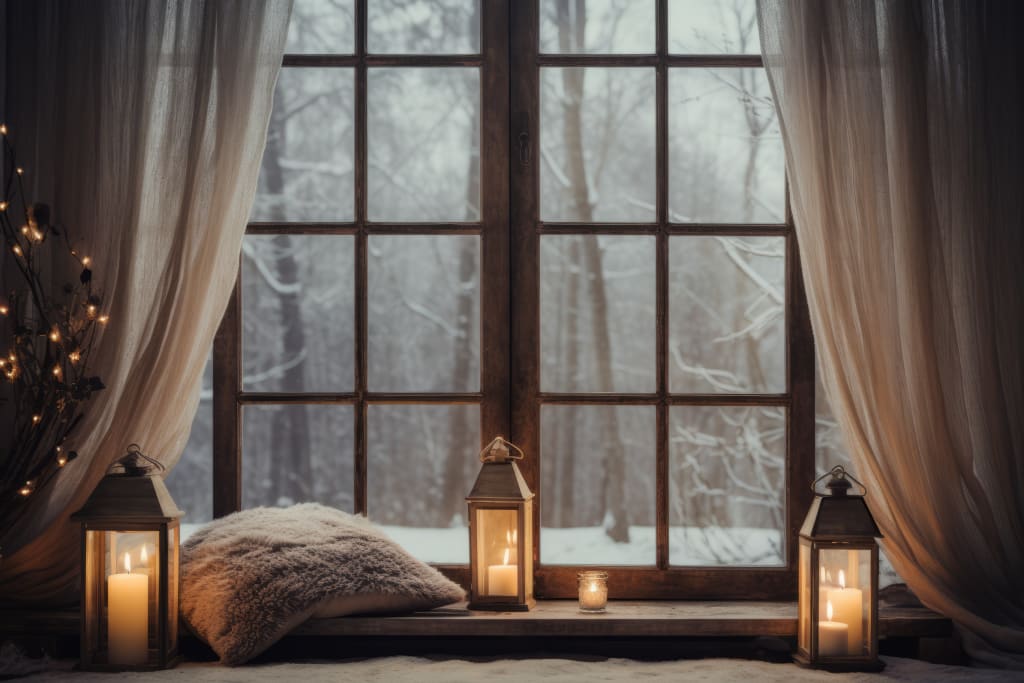
Your home is more than a place you live.
It’s the environment that shapes your energy, your mood, your focus, and your sense of safety. It’s where your nervous system either softens… or stays on edge.
In a fast-paced, overstimulating world, creating a slow living home is less about aesthetics and more about intention. It’s about designing a space that feels grounding, comforting, and supportive, a place where you can exhale.
A slow living home doesn’t have to be perfect or expensive. It just needs to feel like a place where you can be fully yourself without pressure.
What a Slow Living Home Really Means
Slow living isn’t about doing everything slowly. It’s about being intentional.
A slow living home supports:
- calm instead of chaos
- presence instead of distraction
- comfort instead of performance
- restoration instead of constant productivity
It’s a space that invites you to pause, rather than rush.
Instead of asking, “How should my home look?”
Ask: “How do I want my home to feel?”
That feeling becomes your guide.
Lighting: The Foundation of Mood
Lighting is one of the most powerful and often overlooked, elements of a calming space.
Harsh overhead lighting can make a room feel clinical and overstimulating. Soft, layered lighting creates warmth and ease.
Try:
- warm-toned bulbs instead of cool white
- lamps at different heights instead of relying on one main light
- string lights or fairy lights for a gentle glow
- candles for soft, flickering light in the evening
Lighting can signal safety to your nervous system. Softer light encourages your body to relax, especially at the end of the day.
Textures: Comfort You Can Feel
A slow living home engages your sense of touch.
Soft, cozy textures create a feeling of physical and emotional comfort.
Consider:
- blankets you can wrap yourself in
- plush pillows
- rugs that feel warm under your feet
- natural materials like cotton, wool, or linen
Textures aren’t just decorative, they’re grounding.
When your body feels physically comfortable, your mind follows.
Scents: Subtle Emotional Anchors
Scent has a direct connection to memory and emotion.
A calming scent can quickly shift your state of mind and make your space feel like a sanctuary.
You might use:
- candles with soft, warm scents
- essential oils like lavender, vanilla, or sandalwood
- simmer pots with herbs, citrus, or spices
- incense if you enjoy it
The key is consistency. When you associate a scent with rest or calm, your body begins to recognize it as a signal to relax.
Decluttering: Creating Space to Breathe
Clutter isn’t just physical, it’s mental.
When your environment is crowded, your attention becomes scattered. Even if you don’t consciously notice it, your brain is processing everything in your space.
A slow living home doesn’t mean minimalism, but it does mean intentional space.
Try:
- removing items that don’t serve a purpose or bring comfort
- organizing in a way that feels accessible and simple
- keeping surfaces clear enough to feel open
You don’t need a perfect home. You need a space that doesn’t overwhelm you.
Creating “Soft Corners”
Instead of trying to transform your entire home at once, start with one area.
Create a corner that feels safe and calming.
It might include:
- a comfortable chair or cushion
- a blanket
- a small lamp
- a book or journal
- a candle or plant
This becomes your reset space, somewhere you can go to slow down, think, or rest.
One intentional corner can shift how your entire home feels.
Sound: Reducing Noise, Adding Calm
Noise impacts your nervous system more than you might realize.
Constant background noise, notifications, or loud environments can keep your body in a subtle state of stress.
To create a calmer sound environment:
- reduce unnecessary noise where possible
- play soft music or ambient sounds
- open windows for natural sounds
- create quiet moments without devices
Silence, or gentle sound, allows your mind to settle.
Bringing Nature Inside
Nature has a naturally calming effect.
Even small elements can make a difference:
- houseplants
- fresh flowers
- natural wood textures
- stones or natural decor
These elements add softness and life to your space.
They remind your nervous system of something steady and organic, something outside the rush of daily life.
Designing for How You Actually Live
A slow living home isn’t about creating a picture-perfect space.
It’s about creating a functional, supportive one.
Ask yourself:
- Where do I naturally spend the most time?
- What areas feel stressful or uncomfortable?
- What would make this space easier to use?
Arrange your home to support your real habits, not an idealized version of yourself.
When your environment works with you, everything feels easier.
Small Rituals That Bring Your Space to Life
A calm home is not just about how it looks, it’s about how it’s used.
Introduce small rituals:
- lighting a candle in the evening
- making tea and sitting quietly for a few minutes
- opening windows in the morning
- tidying up gently at the end of the day
These moments reinforce the feeling of safety and presence in your space.
Final Thoughts
Creating a slow living home is not about perfection.
It’s about intention.
Soft lighting.
Comfortable textures.
Calming scents.
Thoughtful spaces.
Gentle routines.
These small choices shape how your home feels, and in turn, how you feel within it.
Your home should not be another place where you feel pressure to perform.
It should be a place where you can rest, reset, and reconnect with yourself.
A place where you can finally slow down.
And remember what it feels like to be at ease.
About the Creator
Stacy Valentine
Warrior princess vibes with a cup of coffee in one hand and a ukulele in the other. I'm a writer, geeky nerd, language lover, and yarn crafter who finds magic in simple joys like books, video games, and music. kofi.com/kiofirespinner
Keep reading
More stories from Stacy Valentine and writers in Motivation and other communities.
The Life You Want Is Built on Days You Don't Feel Like Showing Up
There are days when everything feels aligned. You wake up motivated. Focus comes easily. You move through your tasks with clarity and energy. On those days, showing up doesn’t feel like effort, it feels natural.
By Stacy Valentine13 days ago in Motivation
Hypocritical
Weight loss isn’t something that I talk much about. As I’ve felt that it’s sort of a touchy subject for everyone I know. Most of my friends, family, and other such people I know have problems with it. It’s been difficult for reasons. Most of the reasons are that I’m a hypocrite for wanting to lose weight. My goal was to walk eighty-two pounds by the end of the year or by next year.
By Raphael Fontenelle4 days ago in Motivation


Comments
There are no comments for this story
Be the first to respond and start the conversation.