
Curd vs Yoghurt: Key Differences Explained
Curd vs Yoghurt: Differences, Benefits & Which is Better

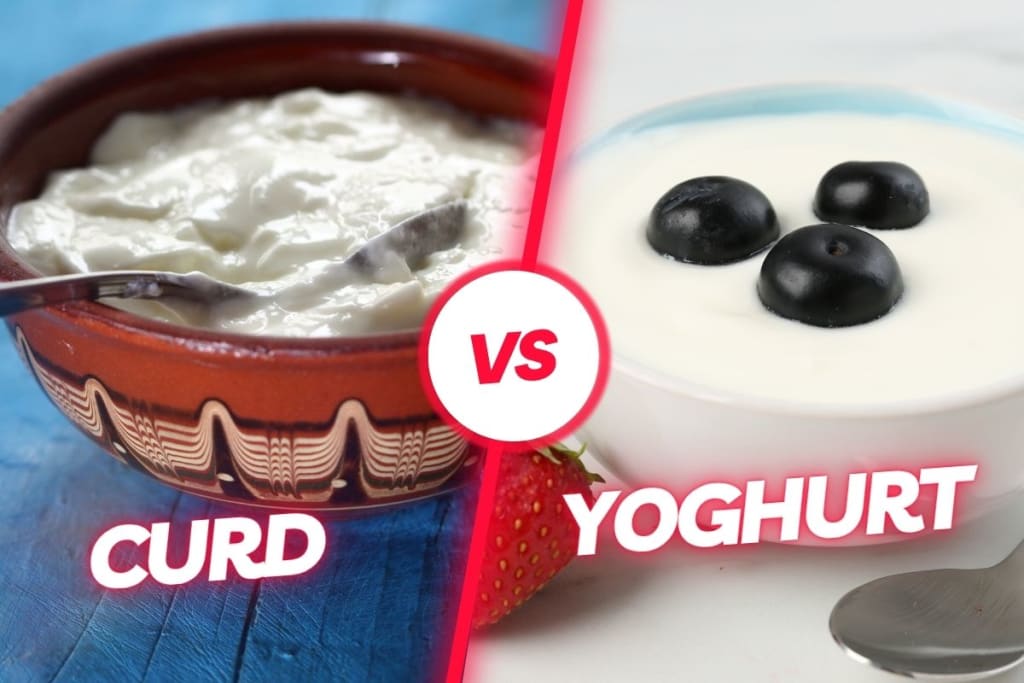
When it comes to dairy staples, curd and yoghurt are often used interchangeably, especially in countries like India. However, despite their similarities in taste, texture, and nutritional value, there are important differences between the two. Understanding these distinctions can help you make better dietary choices based on your health goals, taste preferences, and lifestyle.
What is Curd?
Curd is a traditional dairy product widely consumed in Indian households. It is made by curdling warm milk using a natural acidic substance, usually a small amount of previously made curd (starter culture) or lemon juice. This process allows naturally occurring bacteria in the environment to ferment the milk, turning it into a thick, tangy product.
Curd-making is simple and can be done at home without any specialized equipment. The bacteria involved are generally undefined, meaning they vary depending on the environment, temperature, and starter used. This gives curd its unique flavor and texture, which can differ from batch to batch.
What is Yoghurt?
Yoghurt, on the other hand, is a more controlled and standardized product. It is made by fermenting milk using specific bacterial cultures, typically Lactobacillus bulgaricus and Streptococcus thermophilus. These bacteria are carefully selected to ensure consistency in taste, texture, and nutritional value.
Unlike curd, yoghurt is usually produced commercially under regulated conditions. It often comes in various forms, including flavored, Greek, low-fat, and probiotic-enriched versions. While it can also be made at home, it requires a specific starter culture and controlled temperature for best results.
Key Differences Between Curd and Yoghurt
1. Preparation Process
Curd is made using natural fermentation with undefined bacteria, while yoghurt uses specific bacterial strains in a controlled environment. This makes yoghurt more consistent in quality.
2. Taste and Texture
Curd tends to have a slightly tangy and sometimes sour taste, depending on how long it ferments. Its texture can range from creamy to slightly lumpy. Yoghurt is usually smoother, creamier, and has a more balanced flavor.
3. Nutritional Value
Both curd and yoghurt are rich in calcium, protein, and essential vitamins. However, yoghurt often contains added probiotics, which are beneficial for gut health. Some varieties of yoghurt are also fortified with additional nutrients.
4. Digestibility
Yoghurt is generally easier to digest due to the presence of specific probiotic strains that aid in breaking down lactose. Curd also supports digestion but may not offer the same level of probiotic benefits unless prepared under ideal conditions.
5. Shelf Life
Yoghurt typically has a longer shelf life due to controlled production and packaging. Curd, especially homemade, should be consumed fresh as it can turn sour quickly.
Health Benefits of Curd
Curd is a powerhouse of nutrition and has been a part of traditional diets for centuries. It is known to:
- Improve digestion by promoting healthy gut bacteria
- Boost immunity
- Provide essential nutrients like calcium and phosphorus
- Help cool the body, making it ideal for hot climates
- Support weight management when consumed in moderation
Curd is also commonly used in Indian cuisine in dishes like raita, kadhi, and lassi, making it a versatile ingredient.
Health Benefits of Yoghurt
Yoghurt offers similar benefits but with added advantages due to its controlled bacterial content:
- Rich in probiotics that support gut health
- May improve lactose digestion
- Helps in maintaining a healthy immune system
- Supports bone health due to high calcium content
- Available in low-fat and high-protein options like Greek yoghurt
Flavored yoghurts can be a tasty snack, though it’s important to watch out for added sugars.
Which One is Better?
The choice between curd and yoghurt depends on your needs and preferences.
- If you prefer a natural, homemade option with minimal processing, curd is an excellent choice.
- If you are looking for consistent taste, enhanced probiotics, and convenience, yoghurt might be the better option.
For gut health, yoghurt often has an edge due to its specific probiotic strains. However, fresh homemade curd can also be highly beneficial when prepared properly.
Can You Substitute One for the Other?
In most recipes, curd and yoghurt can be used interchangeably. However, slight differences in taste and consistency may affect the final result. For example, yoghurt may provide a smoother texture in desserts, while curd works perfectly in traditional savory dishes.
Final Thoughts
Curd and yoghurt may look similar, but they are not exactly the same. From their preparation methods to their bacterial composition, each has its own unique qualities. Both are nutritious and beneficial additions to your diet, offering a range of health benefits.
Ultimately, the best choice comes down to your lifestyle and dietary goals. Including either—or both—in your daily meals can help improve digestion, boost immunity, and support overall well-being.
About the Creator
Veronica Bennett
Author at Stories Buzz | Unleashing worlds through words ✨ | Writer-girl weaving magic into stories 📚 | Creating realms where dreams take flight 🌈 | #WriterLife #Storyteller
My work: https://storiesbuzz.co.uk/
Keep reading
More stories from Veronica Bennett and writers in Longevity and other communities.
Microsoft's Purposeful Marketing Deception About AI's Ability To Beat Physicians In Diagnosis
When you look at the world of scientific research... If you are not careful... You will be fooled into believing things that are not actually supported by the data.
By Dr. Cody Dakota Wooten, DFM, DHM, DAS (hc)11 days ago in Longevity
Why Post-Accident Medical Evaluations Are Critical
Many people walk away from a car accident believing they escaped serious harm. They feel rattled, maybe a little sore, but otherwise okay. They exchange insurance information and leave, telling themselves they'll feel better tomorrow. What they feel in those first few minutes does not always reflect what is happening inside the body.
By CEO A&S Developers2 days ago in Longevity
We Will Bury You
How do you deal with the vast disappointment and anger and rage and grief and rage and RAGE and RAGE and RAGE when a community icon, who did so much to help your gente, is found to be the type of monster that still makes me believe in capital punishment?
By Ariana GonBon4 days ago in Humans



Comments
There are no comments for this story
Be the first to respond and start the conversation.