
Beyond Weight Loss: Science‑Backed Nutrition for Whole‑Body Health
Discover how science-backed nutrition and nutraceuticals support metabolism, gut health, and overall well-being beyond traditional weight loss.

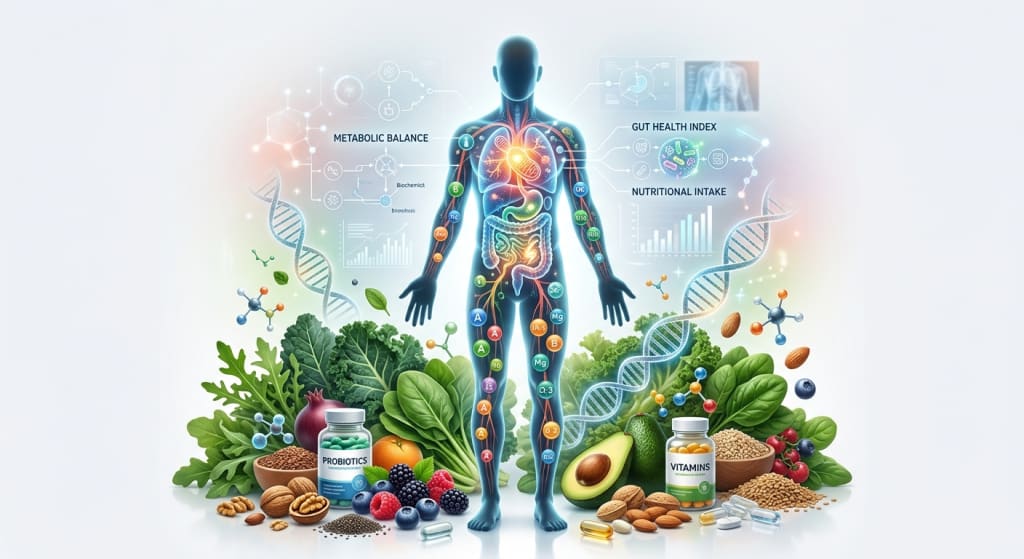
For years, weight loss has dominated conversations around health and nutrition. From calorie counting to strict dieting, the primary focus has been reducing body weight. But today, both science and consumer awareness are evolving. The conversation is no longer just about shedding pounds. It is about improving overall health, longevity, and quality of life.
Modern research highlights that sustainable health outcomes depend on more than calorie restriction. Factors such as metabolic health, gut microbiota, inflammation, and nutrient balance play equally critical roles. This shift has opened the door to a more comprehensive approach, where nutritional support goes beyond aesthetics and targets deeper physiological functions.
The Science Behind Modern Nutrition
Nutrition science has advanced significantly over the past decade. Researchers now understand that the body is a complex system where nutrients influence everything from cellular repair to hormone regulation.
Instead of focusing solely on macronutrients like fats, proteins, and carbohydrates, scientists are examining micronutrients, bioactive compounds, and functional ingredients. These elements contribute to processes such as immune defense, energy production, and cognitive function.
This broader perspective has led to the rise of evidence-based nutritional strategies designed to optimize overall health rather than just promote weight loss.
Understanding Metabolic Health
Metabolism is often simplified as the rate at which the body burns calories. In reality, it is a network of biochemical processes that convert food into energy and regulate bodily functions.
Poor metabolic health can lead to fatigue, insulin resistance, and increased risk of chronic diseases. Scientific studies show that improving metabolic flexibility, the body’s ability to switch between energy sources, is more important than simply reducing caloric intake.
Nutritional support plays a key role here. Ingredients such as amino acids, omega-3 fatty acids, and certain plant compounds can help regulate metabolic pathways and improve energy efficiency.
Gut Health: The Foundation of Wellbeing
The gut microbiome has become a major focus in nutritional science. Trillions of microorganisms in the digestive system influence digestion, immunity, and even mental health.
An imbalance in gut bacteria has been linked to obesity, inflammation, and metabolic disorders. This is why modern nutritional approaches emphasize gut health as a foundation for overall wellness.
Prebiotics, probiotics, and fiber-rich foods are commonly used to support a healthy microbiome. These components help maintain balance, improve nutrient absorption, and reduce inflammation.
Nutraceuticals: Bridging Nutrition and Medicine
Nutraceuticals are products derived from food sources that offer additional health benefits beyond basic nutrition. These include supplements, functional foods, and fortified ingredients.
The growing interest in nutraceuticals reflects a shift toward preventive healthcare. Instead of waiting for illness to occur, individuals are using targeted nutritional solutions to support their health proactively.
Science-backed nutraceuticals can address a range of concerns, including:
- Energy and fatigue
- Immune support
- Cognitive function
- Digestive health
This makes them an important tool in modern health strategies.
The Role of Functional Ingredients
Functional ingredients are specific compounds that provide measurable health benefits. These include vitamins, minerals, antioxidants, and plant extracts.
For example, polyphenols found in fruits and vegetables have been shown to reduce oxidative stress. Similarly, adaptogens like ashwagandha may help the body manage stress more effectively.
These ingredients are increasingly being incorporated into everyday products, from beverages to snacks, making it easier for consumers to integrate health-supporting nutrients into their daily routines.
Moving Beyond Calorie Restriction
Traditional dieting often focuses on cutting calories, sometimes at the expense of nutritional quality. While this may lead to short-term weight loss, it can also result in nutrient deficiencies and metabolic slowdown.
Science now supports a more balanced approach. Instead of restriction, the emphasis is on nourishment. Providing the body with the right nutrients helps maintain muscle mass, support metabolic function, and sustain energy levels.
This shift encourages long-term lifestyle changes rather than temporary dieting solutions.
Personalized Nutrition: The Future of Health
One of the most exciting developments in nutrition is personalization. Advances in technology and data analysis allow for tailored dietary recommendations based on individual needs.
Factors such as genetics, lifestyle, and gut microbiome composition influence how each person responds to food. Personalized nutrition takes these variables into account, offering more effective and targeted solutions.
This approach moves away from one-size-fits-all diets and toward customized strategies that deliver better health outcomes.
The Link Between Nutrition and Mental Wellbeing
Nutrition does not only affect physical health. It also plays a crucial role in mental wellbeing. Nutrients such as omega-3 fatty acids, B vitamins, and magnesium are essential for brain function.
Emerging research highlights the connection between gut health and mental health, often referred to as the gut-brain axis. A balanced diet can support mood, reduce stress, and improve cognitive performance.
This further reinforces the idea that nutrition should be viewed holistically, addressing both body and mind.
Consumer Trends Driving Change
Consumers today are more informed and health-conscious than ever before. There is a growing demand for products that are not only effective but also backed by scientific evidence.
Transparency, clean labels, and clinically supported ingredients are becoming key decision factors. People are seeking solutions that align with their long-term health goals rather than quick fixes.
This shift is driving innovation in the nutraceutical and functional food industries, leading to more advanced and targeted products.
Challenges and Considerations
Despite the progress, there are still challenges in the field of nutritional science. Not all products on the market are supported by strong evidence, and misinformation can lead to confusion.
It is important for consumers to rely on credible sources and scientifically validated products. Regulatory frameworks also play a role in ensuring quality and safety.
As the industry continues to grow, maintaining high standards will be essential for building trust and delivering real health benefits.
Conclusion
The future of nutrition is not about chasing a number on the scale. It is about supporting the body in a comprehensive and sustainable way.
Science-backed nutritional support offers a powerful tool for improving metabolic health, enhancing gut function, and promoting overall wellbeing. By moving beyond weight loss, individuals can adopt a more balanced and effective approach to health.
As research continues to evolve, one thing is clear: true wellness comes from nourishing the body, not just reducing its size.
About the Creator
Alex
I've built my career around people-focused roles in the software industry, where clear communication, hands-on support, and quality assurance are always top priorities.
Microsoft's Purposeful Marketing Deception About AI's Ability To Beat Physicians In Diagnosis
When you look at the world of scientific research... If you are not careful... You will be fooled into believing things that are not actually supported by the data.
By Dr. Cody Dakota Wooten, DFM, DHM, DAS (hc)17 days ago in Longevity
Benefits of Himalayan Salt Sauna: A Complete Guide for Wellness and Spa Spaces
The need for natural wellness is still on the increase in all parts of the United States, and companies are currently investing heavily in experiences that are integrated to offer health, relaxation, and visual appeal. These new products include the advantages of Himalayan salt sauna installations, as they are effective in improving physical and emotional conditions. The Himalayan salt feature is becoming the preferred option of spa owners, sauna constructors, and wellness providers who are keen on building high-end facilities with outcome-oriented results and are able to appeal to the needs of today's health-conscious customers.
By David Smith5 days ago in Longevity
Side Quest Goal Achieved: Placing an Alien Claim
This is a post that has me quite ecstatic. It's funny, I thought it was going to be one of my usual, "Hey, I achieved another one of my goals and checked it off" type deals. And it sort of is. But it sort of isn't. And it's also one of my greatest writing accomplishments of late.
By Stephen Kramer Avitabile5 days ago in Writers




Comments
There are no comments for this story
Be the first to respond and start the conversation.