
Why Are Film-Based Prints Trending In Apparel Shops?
Learn why film-based prints dominate apparel shops with benefits like precision, speed, versatility, cost savings, and easy customization.

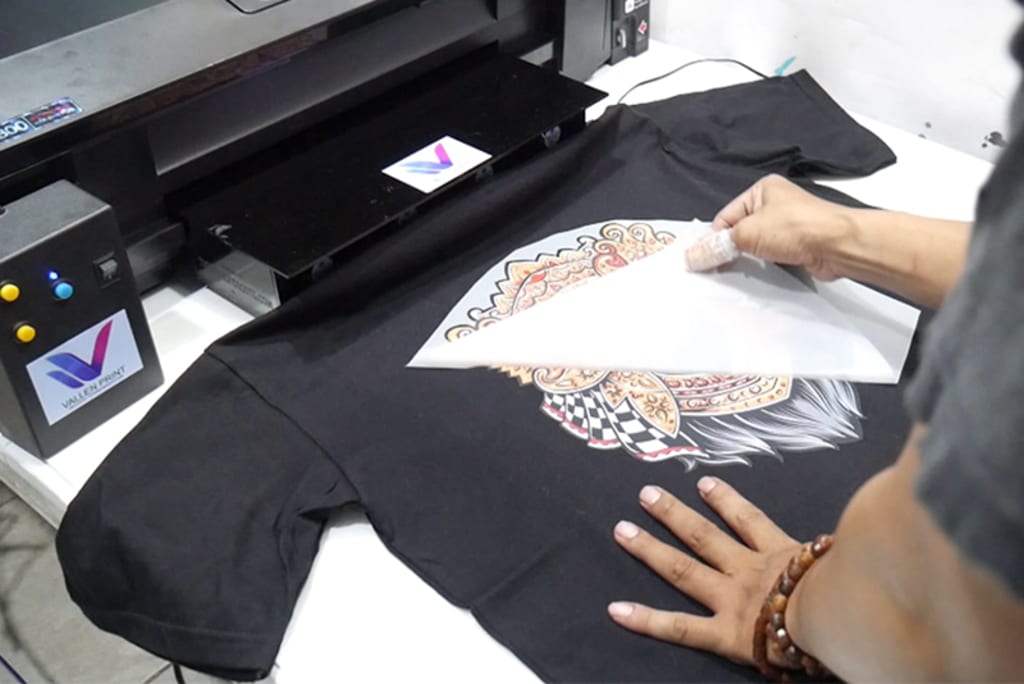
Film-based printing methods have captured the attention of apparel shops due to their consistency, precision, and ease of use. DTF Transfers stand out as a popular solution for businesses seeking high-quality results with faster production. This printing method allows designs to be created on a film layer and transferred onto fabric accurately. Apparel brands prefer this approach because it works on multiple fabric types and reduces limitations of older methods. Increased demand highlights a shift toward efficient production and improved customization for modern apparel shops.
What Are Film-Based Prints?
Film-based prints involve printing a design on a specialized film and then transferring it onto garments using heat and pressure. This process separates the design creation from application, allowing better control over output. Shops can prepare multiple designs in advance and apply them as needed, reducing waste and improving planning. Unlike traditional printing methods, which require direct garment printing, film-based systems offer workflow flexibility and faster turnaround for custom or bulk orders, making them ideal for growing apparel businesses.
Why Apparel Shops Are Adopting This Method
Apparel shops favor film-based printing because it simplifies production while ensuring consistent results. Preparing designs ahead reduces setup time and allows handling of urgent orders efficiently. Compared to screen printing, it lowers the risk of errors during application. Shops can achieve uniform quality across multiple prints, enhancing customer satisfaction. Efficient workflow combined with reliability helps businesses stay competitive. As demand for custom and bulk orders rises, adopting film-based printing supports both high-quality output and operational efficiency.
Versatility Across Fabric Types
Film-based printing works on cotton, polyester, blends, and even dark fabrics without compromising design clarity. This versatility enables apparel shops to expand their product offerings without technical limitations. Brands can experiment with new clothing styles and materials, satisfying diverse customer preferences. Complex designs maintain detail across fabric types, which encourages creative freedom. This adaptability allows shops to cater to both casual and premium markets while maintaining consistent quality, making it a preferred method for businesses aiming to offer varied apparel collections.
Cost-Effectiveness for Small and Large Businesses
Cost efficiency drives adoption of film-based prints. Eliminating complicated setup processes and reducing material waste lower overall production expenses. Small businesses benefit from minimal initial investment compared to screen printing systems. Larger operations can scale output without significant overhead. This method ensures high-quality prints at lower costs while maintaining workflow efficiency. Consistent results reduce errors and reprints, directly improving profit margins. Affordable scalability makes film-based printing a smart choice for both emerging and established apparel brands.
Design Quality and Detail Precision
Film-based prints offer crisp, vibrant, and long-lasting designs. Fine lines, gradients, and intricate patterns reproduce accurately without blurring. Such precision is difficult to achieve with traditional methods. Customers expect eye-catching apparel, and this technique meets those expectations consistently. Designers can experiment with complex artworks knowing quality will remain intact. Apparel shops achieve a professional, polished look that strengthens brand image. High detail accuracy ensures repeat business and helps brands stand out in competitive markets, making it a reliable choice for premium apparel printing.
Faster Production and Turnaround Time
Film-based printing enables faster production by allowing designs to be prepared in advance. Garments can be printed quickly when orders arrive, reducing customer wait times. The process accommodates both small custom orders and large bulk requests efficiently. Faster turnaround improves customer satisfaction and builds trust. Shops can fulfill seasonal trends or urgent orders without delays. This speed advantage supports rapid business growth and strengthens competitiveness. Quick application ensures operational efficiency, helping apparel businesses respond to market demands while maintaining consistent product quality.
Key Advantages of Film-Based Prints
- Allows printing designs in advance for faster application
- Works on multiple fabric types without quality loss
- Reduces setup time compared to traditional printing
- Produces sharp, detailed, and vibrant designs
- Minimizes material waste and lowers production costs
- Supports both small and bulk production
- Improves overall workflow efficiency
Customization and Creative Freedom
Film-based printing supports personalization effectively. Businesses can produce custom designs, names, or graphics without complex preparation. Customers enjoy unique apparel options, which increases engagement and brand loyalty. Designers can experiment with styles and patterns without restrictions. Apparel shops can adapt quickly to new trends, ensuring collections remain fresh and appealing. Creative freedom encourages innovation and allows brands to differentiate themselves in competitive markets, providing a valuable selling point for both small boutique shops and large apparel companies.
Reduced Dependency on Skilled Labor
Traditional printing often requires skilled workers for setup and execution. Film-based printing simplifies the process, allowing staff to learn quickly. This reduces reliance on highly specialized labor while maintaining production quality. Even less experienced employees can achieve consistent results. Lower dependency on skilled labor helps shops manage costs effectively. Businesses can maintain efficient operations and scale output without workforce constraints. This approach balances productivity with quality control, making film-based printing accessible to businesses of all sizes and operational capacities.
Eco-Friendly Production Approach
Sustainability is increasingly important in apparel production. Film-based printing minimizes waste by producing only the required quantity. Some systems use eco-friendly inks, reducing environmental impact. Efficient material usage and controlled production lower the carbon footprint. Shops adopting these practices appeal to environmentally conscious customers. Reduced waste and sustainable methods improve brand reputation. Eco-friendly printing combines efficiency with responsible production, supporting business growth while addressing environmental concerns in the apparel industry.
Growing Demand in Fashion Trends
Fashion trends evolve quickly, and apparel shops must adapt. Film-based printing allows rapid experimentation with new styles and limited collections. Businesses can introduce seasonal designs without investing heavily in production. Quick design adjustments ensure relevance and competitiveness. Shops can respond to customer preferences instantly, testing concepts without financial risk. Flexibility in design and production supports creative innovation. The ability to quickly meet changing trends keeps brands current, helping film-based printing maintain its status as a preferred method in modern apparel shops.
Conclusion
Film-based prints are trending in apparel shops because they deliver efficiency, precision, and flexibility. The method combines cost savings, high-quality output, and fast production, supporting business growth. Apparel brands can handle diverse orders while meeting customer expectations consistently. Reduced labor dependency and eco-friendly practices further enhance value. With versatile application across fabrics and superior design accuracy, film-based printing provides a modern, reliable solution. Businesses adopting this approach gain a competitive edge, ensuring high-quality products and satisfied customers.
FAQs
What makes film-based printing different from traditional methods?
It separates design creation from garment application, enabling better control, faster production, and consistent results.
Can film-based prints be applied to all fabrics?
Yes, this method works on cotton, polyester, blends, and dark fabrics while retaining detail and vibrancy.
Are film-based prints durable?
Yes, when applied correctly, prints remain sharp, vibrant, and resistant to washing and wear.
Is film-based printing affordable for small businesses?
Lower setup costs and reduced material waste make it cost-effective for both small and large apparel shops.
Does film-based printing allow customization?
Yes, it supports unique designs, personalization, and intricate artwork with consistent quality.
About the Creator
smithjohn
Hey, I’m Smit John, a blogger who loves sharing ideas on different topics. Writing is my thing, and I aim to keep my content informative, engaging, and worth your time. Stay tuned for more!
Healing the Brain and Body Together
The mind–body connection plays a major role in how people think, feel, and heal. For many years, therapy focused mostly on thoughts and emotions. Today, science shows that the brain and body function as a single system. This means that feelings, stress, and trauma can affect the body just as much as the mind. When therapists understand how the brain works, they can help clients heal in deeper and more lasting ways.
By Debra Bailey PHDa day ago in Lifehack
A Transparent Look at Vocal Challenges and Top Stories
Almost three years ago, we shared a resource article that served as a place for people to suggest new challenge prompts. We thought it would be a good idea to refresh that thread, and take the opportunity to answer a few common questions about top stories, how challenges are judged and how submissions are reviewed.
By Vocal Curation Team6 days ago in Resources



Comments
There are no comments for this story
Be the first to respond and start the conversation.