
Pots of Power: Master the Art of Container Micro-Gardening for Bountiful Harvests!
Unlock Lush Growth and Delicious Produce in Even the Smallest Spaces – Your Ultimate Guide to Potting Perfection!

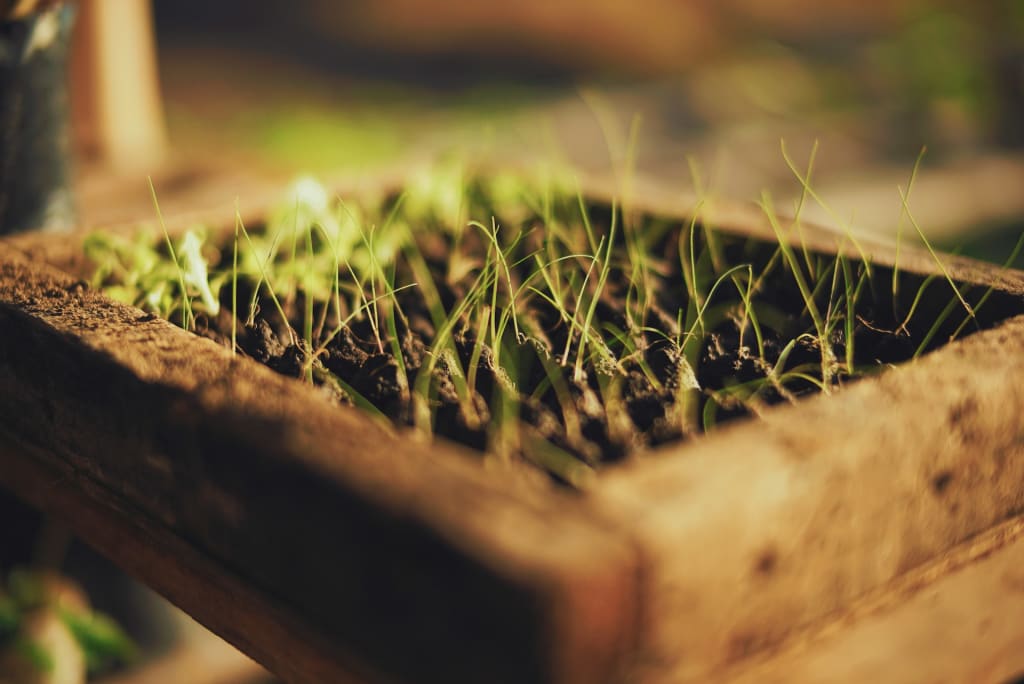
Ever gazed longingly at vibrant garden pictures, then sighed, remembering your postage-stamp patio or minuscule balcony? What if we told you that lack of space is no longer a valid excuse for not growing your own amazing produce? Welcome to the revolutionary world of container micro-gardening – where pots, planters, and even repurposed items become your personal fertile ground!
This isn't just about sticking a plant in a pot. It's an art, a science, and a fantastic lifehack that empowers you to cultivate a thriving garden in literally any confined space. From bustling city apartments to cozy suburban homes, container gardening transforms overlooked corners into verdant havens. Get ready to discover the secrets to choosing the right vessels, filling them with life-giving soil, and nurturing plants that burst with flavor and beauty. Let's make every pot a powerhouse!
Why Container Micro-Gardening Is Your Urban Oasis Solution!
The appeal of container micro-gardening is massive, especially for those living in dense urban environments or with limited outdoor access. It's more than just a workaround; it's a superior method for many types of plants and gardeners.
Flexibility and Freedom: Your Garden, Your Rules!
Imagine a garden that can be moved with the sun, brought indoors during a cold snap, or even rearranged on a whim. That's the power of containers! They offer unparalleled flexibility, allowing you to optimize growing conditions for each plant.
- Move with the Sun: Chase the light! If your balcony gets morning sun in one spot and afternoon sun in another, you can simply move your pots to maximize exposure.
- Weather Warriors: Protect tender plants from sudden frosts or harsh storms by easily bringing them inside.
- Redecorate: Change your garden's layout as often as you like, creating new focal points and aesthetics.
Pest and Disease Control: A Natural Barrier!
Container gardens can act as a natural barrier against many ground-dwelling pests and soil-borne diseases. Since your plants aren't directly in the ground, they're less susceptible to critters like slugs, snails, and certain fungal issues.
- Isolation is Key: If one plant gets sick, it's easier to isolate and treat it without contaminating an entire garden bed.
- Weed Warrior: Weeds are significantly less of an issue in containers, meaning less time pulling and more time growing!
Soil Control: The Perfect Recipe for Every Plant!
One of the biggest advantages of container gardening is complete control over your soil. Different plants have different needs, and in containers, you can perfectly tailor the growing medium.
- Acid-Loving Plants: Grow blueberries or rhododendrons in an acidic mix.
- Drought-Tolerant Herbs: Use a gritty, fast-draining mix.
- Heavy Feeders: Enrich your soil with extra compost.
- Fact: High-quality potting mix is specifically designed for containers, offering superior drainage and aeration compared to dense garden soil, which can compact and suffocate roots in a pot. Learn more about soil for containers.
Aesthetics and Style: Your Garden, Your Design Statement!
Containers aren't just functional; they're decorative! They add vertical interest, color, and texture to any space. Choose pots that complement your home's style, or mix and match for an eclectic look.
Color & Texture: Use vibrant glazed pots, rustic terra cotta, sleek modern planters, or even whimsical repurposed items to express your personality.
Vertical Beauty: Tiered planters, hanging baskets, and wall-mounted containers add height and visual appeal, turning blank walls into living art.
Choosing Your Power Pots: More Than Just a Pretty Face!
Selecting the right container is crucial for the health and success of your plants. It's not just about what looks good; it's about what performs best for your chosen crop and environment.
1. Material Matters: What's Your Pot Made Of?
Each material has its pros and cons regarding drainage, insulation, and weight.
Terra Cotta/Clay Pots:
Pros: Classic look, porous (allows roots to breathe), good for plants that like well-drained soil (herbs, succulents).
Cons: Dries out quickly (requires more frequent watering), heavy, can crack in freezing temperatures.
Tip: Soak new terra cotta pots in water for an hour before use to prevent them from wicking moisture too quickly from your potting mix.
Plastic Pots:
Pros: Lightweight, retain moisture well (less frequent watering), affordable, wide range of colors and styles, durable.
Cons: Can look cheap, non-porous (can lead to overwatering if drainage is poor), can get very hot in direct sun.
Tip: Choose lighter colored plastic pots for sun-exposed areas to reflect heat.
Fabric Grow Bags:
Pros: Excellent aeration (prevents root circling), promotes "air pruning" of roots, lightweight, easy to store, reusable, good drainage.
Cons: Dries out faster than plastic, can look less aesthetic (though designs are improving).
Fact: Fabric pots can increase yields due to better root health!
- Ceramic/Glazed Pots:
- Pros: Beautiful, decorative, retain moisture well, heavy (good for windy areas).
Cons: Expensive, heavy (hard to move), can crack in freezing temps, non-porous (ensure good drainage holes).
Wooden Planters/Raised Beds:
Pros: Natural look, good insulation, can be custom-built to fit odd spaces.
- Cons: Can rot over time (choose rot-resistant wood like cedar or redwood), heavier than plastic, can dry out if not lined.
Metal Containers:
Pros: Modern look, durable.
Cons: Can get extremely hot in the sun, may leach metals (use food-grade options or line with plastic).
- Repurposed Items:
- Pros: Eco-friendly, unique, cost-effective.
- Cons: May need modifications (drainage holes), check for toxicity (e.g., old tires can leach chemicals).
Ideas: Old buckets, laundry baskets, plastic storage bins, tin cans, milk jugs – just ensure adequate drainage.
2. Size Matters: Go Big (Enough)!
This is critical. Too small a pot, and your plant will be stunted, stressed, and constantly thirsty.
- Root Room: Plants need space for their roots to grow. A larger volume of soil also retains moisture longer and provides a more stable temperature.
- General Guidelines (Minimum Sizes for Mature Plants):
- Herbs (basil, parsley, cilantro): 6-8 inch diameter.
- Lettuce, Spinach, Radishes: 6-10 inch diameter for individual plants or a window box for multiple.
- Bush Beans, Peppers, Eggplant: 10-14 inch diameter (3-5 gallon equivalent).
- Dwarf Tomatoes, Cucumbers: 14-20 inch diameter (5-10 gallon equivalent).
- Root Vegetables (carrots, potatoes): Deeper containers (10-12 inches deep for carrots, grow bags for potatoes).
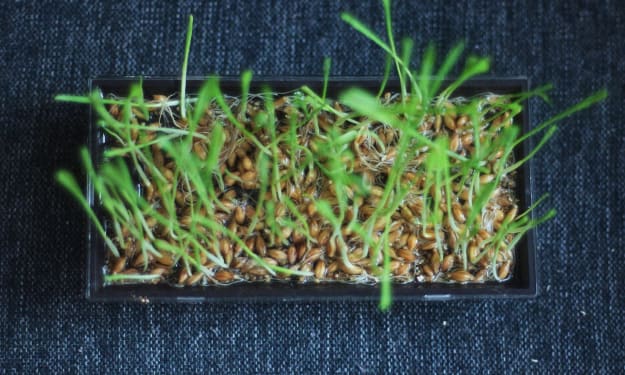
- Microgreens: Shallow trays (2-3 inches deep).
- One More Time: Always ensure your containers have drainage holes. If they don't, you must add them!
The Foundation of Life: Superior Potting Mix!
Don't skimp on soil! This isn't just dirt. A high-quality potting mix is specifically formulated for containers.
1. Why Not Garden Soil?
Garden soil is too heavy and dense for pots. It compacts easily, preventing proper aeration and drainage, which suffocates roots. It can also introduce pests, diseases, and weed seeds.
2. What to Look For in a Potting Mix:
Lightweight & Well-Draining: Key for container success.
Organic Matter: Peat moss, coco coir (sustainable alternative to peat), or compost help retain moisture and nutrients.
Aeration: Perlite or vermiculite keep the mix fluffy and allow oxygen to reach roots.
Nutrients: Some mixes include slow-release fertilizers, or you can add your own.
3. DIY Potting Mix (Advanced but Rewarding!):
Want to get truly custom? Make your own! A basic recipe:
1 part coco coir or peat moss
1 part perlite or coarse sand
1 part compost or worm castings
Optional: Add a handful of slow-release organic fertilizer or some bone meal/kelp meal for extra nutrients.
Planting for Pot Perfection: Your Step-by-Step Guide!
You've got your power pots and premium potting mix. Let's get planting!
1. Prepare Your Pots
Cleanliness: Wash any old pots thoroughly to prevent disease transfer.
Drainage: Cover drainage holes with a piece of mesh screen, a coffee filter, or a broken pottery shard. This prevents soil from washing out but still allows water to escape. Don't add a thick layer of gravel; it often hinders drainage more than it helps.
2. Fill with Potting Mix
Moisten: Slightly moisten your potting mix in a separate bucket before filling pots. It's easier to work with and ensures even moisture.
Fill: Fill the container to about 1-2 inches below the rim, leaving space for watering.
3. Planting Seeds or Seedlings
Seeds: Follow packet instructions for depth and spacing. Gently cover with soil and mist carefully.
Seedlings:
Gentle Extraction: Gently squeeze the nursery pot to loosen the root ball. Invert and tap the bottom to slide the plant out. Support the base of the plant.
Check Roots: If roots are circling tightly, gently tease them apart to encourage outward growth.
Depth: Plant at the same depth as it was in its original container. The exception is tomatoes, which benefit from being planted deeper.
Firming: Gently firm the soil around the plant to remove air pockets.
Watering: Water immediately and thoroughly to settle the soil and reduce transplant shock.
4. Mulch (Optional, but Recommended!)
A layer of mulch (straw, coco coir, wood chips, or even small pebbles) on top of the soil in larger containers can:
Retain Moisture: Reduces evaporation, so you water less.
Regulate Temperature: Keeps roots cooler in summer, warmer in cooler weather.
Suppress Weeds: Reduces competition for nutrients.
Nurturing Your Pot Powerhouses: Care and Feeding!
Container plants have slightly different needs than in-ground plants. They rely entirely on you for everything!
1. Watering: Your Most Important Job!
Container plants dry out faster than in-ground plants. This is the #1 mistake beginners make.
Daily Check: Feel the soil daily. Stick your finger 1-2 inches deep. If it feels dry, water.
Thorough Soaking: Water until water drains from the bottom. Don't just give a quick splash.
Avoid Overwatering: While thorough, don't let pots sit in standing water. Empty saucers after 30 minutes if water remains.
When to Water: Early morning is best. It allows foliage to dry before night, preventing fungal diseases.
2. Fertilizing: Fueling the Growth Engine!
Nutrients in potting mix are finite. Regular feeding is essential.
Start Early: Begin fertilizing 2-4 weeks after planting.
Liquid Gold: Use a balanced liquid fertilizer (e.g., 5-1-1 or 2-4-2 NPK for veggies) every 2-4 weeks. Organic options like fish emulsion or liquid seaweed are excellent.
Dilution is Key: Always follow package instructions for dilution. Too much fertilizer can burn roots.
- Slow-Release Options: Some granular slow-release fertilizers can be mixed into the potting soil at planting, offering sustained nutrients.
3. Light: The Ultimate Energy Source!
Most edible plants need at least 6-8 hours of direct sunlight per day.
- Rotate Pots: If your light source is one-sided (e.g., a window), rotate your pots periodically to ensure even growth.
- Monitor: Watch your plants. If they're leggy (stretching), they're not getting enough light. If leaves are scorching, they might be getting too much intense afternoon sun.
4. Pest & Disease Management: Stay Vigilant!
Container plants are often easier to monitor and treat for issues.
- Daily Inspection: Regularly check leaves (especially undersides), stems, and soil for any signs of pests or disease.
- Hand Pick: For larger pests, simply pick them off.
- Organic Sprays: For smaller infestations, a strong jet of water, insecticidal soap, or neem oil can be very effective. Learn more about natural pest control in containers.
Isolation: If a plant looks diseased, move it away from others immediately to prevent spread.
Advanced Container Hacks for Micro-Gardening Mastery!
Ready to level up your container game? These tips will take your micro-garden from good to glorious.
1. Companion Planting in Pots: Smart Plant Partnerships!
Benefits: Deter pests, attract beneficial insects, improve growth, maximize space.
Examples:
Basil with Tomatoes: Repels tomato hornworms, improves tomato flavor.
Marigolds (French): Deter nematodes and other pests when planted near vegetables.
Nasturtiums: Act as a trap crop, drawing aphids away from other plants. Plus, their flowers are edible!
Lettuce/Spinach under taller plants: Utilize the shade created by larger plants for greens that prefer cooler conditions.
2. Succession Planting: Continuous Harvest!
Don't plant all your seeds at once!
Stagger Planting: For quick-growing crops like lettuce, radishes, and cilantro, plant a small batch every 2-3 weeks. This ensures a continuous harvest rather than a single huge flush.
3. Vertical Gardening: Grow Up, Not Out!
Wall Planters: Create a living wall of herbs or greens.
Tiered Planters: Stack pots or use multi-level structures.
Hanging Baskets: Perfect for strawberries, cherry tomatoes, or cascading herbs.
DIY Solutions: Pallet gardens, shoe organizers, or even plastic bottle towers can create vertical growing space.
4. Self-Watering Containers: Your Gardening Sidekick!
These clever pots have a reservoir at the bottom that wicks water up to the soil, significantly reducing watering frequency.
Great for Vacation: Keep your plants hydrated when you're away.
Consistent Moisture: Ideal for thirsty plants or those that prefer consistent moisture.
DIY Self-Watering: Easily convert two buckets or storage bins into a sub-irrigated planter. Find a DIY guide here.
Your Container Micro-Garden: A World of Possibilities!
Container micro-gardening is a gateway to gardening success, regardless of your space limitations. It offers control, flexibility, and the immense satisfaction of growing your own food and flowers. Imagine stepping onto your balcony to harvest fresh ingredients for dinner, or simply enjoying the beauty of a thriving plant oasis.
It’s time to embrace the power of the pot. Start small, experiment, learn from your successes (and failures!), and watch your confined space transform into a bountiful, beautiful garden. Happy container cultivating!
---
About the Creator
Umar Faiz
Writer of supply chains, NFTs, parenting, and the occasional philosophical spiral. Obsessed with cinema, psychology, and stories that make you say “wait, what?” Fueled by coffee and mild existential dread.
Creating Structure and Flow in Your Outdoor Space
A well-designed garden isn’t just about the plants, it’s about how everything is defined and connected. Using steel garden edge solutions is one of the simplest ways to bring structure into your outdoor space, helping separate lawns, garden beds, and pathways while maintaining a clean, modern look.
By Elliot Dean6 days ago in Lifehack
What Every Home and Business Owner Should Know About Flood Damage?
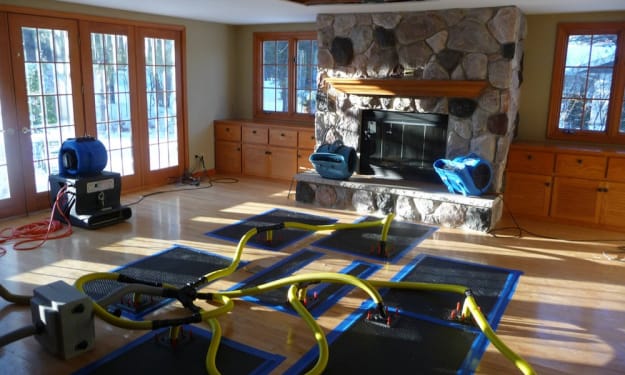
There’s something unsettling about water where it doesn’t belong. It might start as a small puddle in the basement after a heavy rain. Or maybe it’s a slow leak behind a wall that goes unnoticed for weeks. In some cases, it’s sudden—a pipe bursts, a storm hits, or a drainage system fails overnight. No matter how it begins, water damage has a way of turning ordinary spaces into stressful situations almost instantly.
By Teri Estesa day ago in Lifehack


Comments
There are no comments for this story
Be the first to respond and start the conversation.