
How to Choose a Survival Kit That Actually Holds Up in the Field
Strong, durable gear matters.

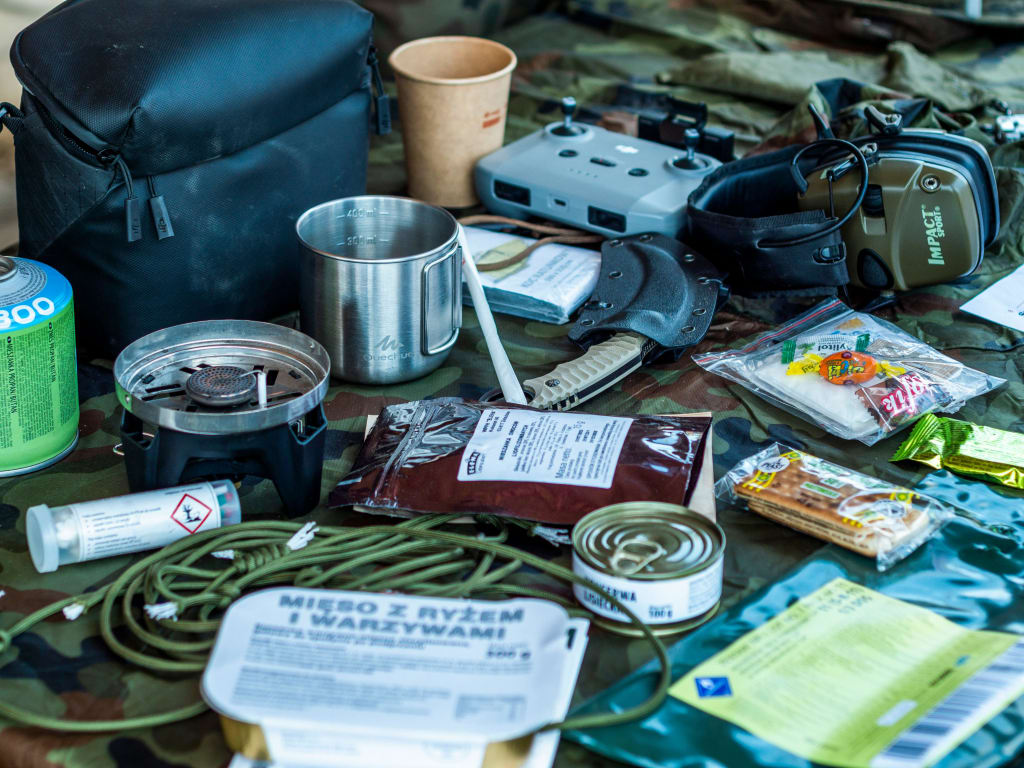
Choosing a survival kit is more complicated than people realize. While there are some aspects that never change from kit to kit, there are a wide variety of survival kits out there. This means varying quality and performance.
Selecting a survival kit that will hold up in the field will be harder for someone who doesn’t know the nuances of survival and gear selection. The major aspects to pay attention to are the type of survival being planned for and the spectrum of survival gear.
Types of Survival
There are many emergencies that can lead to a survival situation. These can be everything from a hike gone wrong to a natural disaster to nuclear fallout. Research is required to determine which of these is the most likely and the necessities involved to survive.
Once the most likely scenarios are prepared for, additional time can be spent working on the less likely scenarios. What doesn’t change is the need for food, shelter, water, and fire. These are the building blocks of most survival kits, in addition to the tools that help you acquire them.
The Spectrum of Survival Gear
When it comes to survival gear and equipment, there is a spectrum. On one extreme is the ultralight campers/hikers, and on the other is military survival. For the average individual, somewhere between these two extremes will be where their survival kit needs fall.
Each extreme has its benefits and deficits. This makes selecting a kit or building one a constant balancing act of durability, performance, and weight.
What Is The Gear Made Of?
Having tools and items that do not break when you try to use them is a hallmark of good survival gear. What the gear is made of matters a lot, especially in a long-term survival scenario.
This means the ultralight bags and materials that a lot of modern hikers gravitate towards are not ideal, since they can tear relatively easily. On the other hand, this does not mean that every cloth item available needs to be made out of extra-thick Cordura to be good. Some items, however, need to be built like a tank to perform reliably in emergencies that could last weeks or even months.
Setting up for rough use means that most individuals will lean towards the military side of the survival gear spectrum, because most of that gear is made to be extremely durable. But this does not mean that modern options cannot be used to supplement those items with better performance in some cases.
Does The Kit Cover Firemaking?
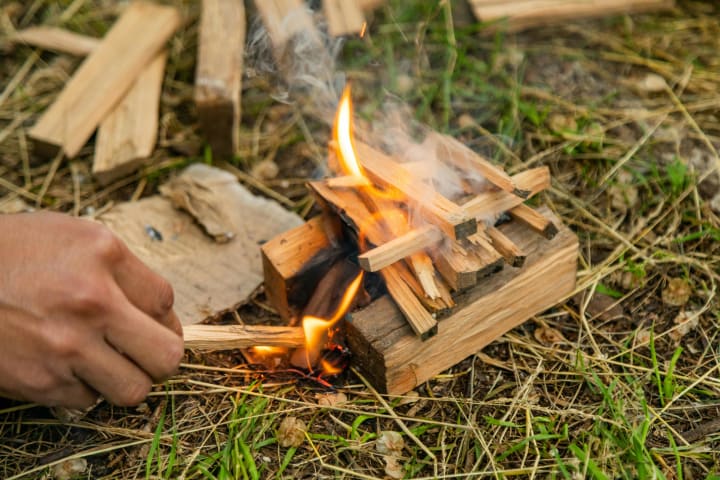
When judging a survival kit, fire-making methods are good to look at first, since fire can be used in a variety of ways to survive. This can be staying warm in freezing temperatures, cooking food, signalling for help, or boiling water.
There should be multiple reliable means of starting a fire included in a survival kit. This allows for environmental factors affecting one or more fire-starting methods. Some methods are better in wet environments, while others have much longer shelf lives but need to be dry in order to work.
Does The Kit Handle Water and Hydration?
Next is the question of hydration. It is physically impossible for someone to carry all the water they would ever need in a survival scenario. A survival kit needs to not only include methods of carrying clean, safe water, but also ways of producing safe drinking water.
This can be as simple as one or more steel canteens paired with water purification tablets. Portable filters and items to boil water are other options that should be included in a good survival kit. Layering water-gathering methods is necessary since clean water can be hard to come by.
Does The Kit Have Tools To Make A Shelter?
For both long- and short-term survival, shelter is important. Does the kit have the tools to build or reinforce a shelter to keep the elements out? This could be a reinforced poncho that turns into a small lean-to, or it could be hand tools used to create a simple A-frame structure.
Some other options for shelter include a small portable tent or items like knives, saws, axes, and cordage (paracord or similar items) that are necessary to build a more solid shelter. Either option will have its benefits, but must be worked into an individual’s survival plan as a whole.
Does The Kit Have Sleeping Gear?
Few things get overlooked as much as the need for sleep. Survival scenarios can last multiple days, and sleep deprivation will impact how well people perform in those situations. Sleep is a lifesaver, and a good survival kit needs to incorporate methods for bedding down safely.
Things like sleeping bags, thermal or emergency blankets, or similar items are important to include for their sleep benefits. Being able to stay warm overnight while getting good rest will increase the likelihood of survival.
Are There Clothing Items For The Weather?
For larger survival kits, additional clothing items are a must-have. This is because longer scenarios can stretch into different seasons of the year, which means changes in temperatures, weather, and natural light.
Having multiple alternative layers that can be layered for warmth will matter more in the fall, winter, and rainy seasons, while breathable clothing and rain protection will usually be the most relevant in the spring and summer. Of course, this will vary by location.
Keeping the environment in mind when selecting additional clothing to supplement a kit will pay off in the long run.
Does The Kit Include Ways To Signal For Help?
Help from other people matters a lot in survival, especially in natural disasters. Being able to contact or signal to others is important if a survival scenario escalates. An example of this would be a medical emergency during a power outage.
Having something like a signal mirror, orange cloth/paneling, or even a radio are great items to have in a survival kit. These allow for communicating important information to others about the area or the situation you are in.
While radios are great, having backup items that do not require power to use them should be included in the kit. Whistles, mirrors, and other items might seem primitive in comparison, but when a rescue needs to happen, they can be invaluable.
Closing Considerations
Every survival situation is different, from the environment to the weather to the individuals involved. It is best to select a survival kit and its related gear based on the most likely scenario and expand from there.
What that means will be up to the individual. A survival kit optimized for a more tropical area will not be as effective in frozen tundra. Finding a good base kit to build off of will be the best option for most people.
About the Creator
William Powell
William Powell is a writer and educator with a passion for marketing. He enjoys learning about the latest business trends and analyzing how global events impact domestic and international economies.
Keep reading
More stories from William Powell and writers in Lifehack and other communities.
How Efficient Billing Systems Enhance Customer Satisfaction
Customer satisfaction has always been and will always be critical for success. With tons of competition in nearly every niche, how are business owners differentiating themselves? With an efficient payment system that makes it easy for customers to pay!
By William Powell2 years ago in Lifehack
What Every Home and Business Owner Should Know About Flood Damage?
There’s something unsettling about water where it doesn’t belong. It might start as a small puddle in the basement after a heavy rain. Or maybe it’s a slow leak behind a wall that goes unnoticed for weeks. In some cases, it’s sudden—a pipe bursts, a storm hits, or a drainage system fails overnight. No matter how it begins, water damage has a way of turning ordinary spaces into stressful situations almost instantly.
By Teri Estes2 days ago in Lifehack
How to Keep Bananas Fresh for Weeks
It all started on a hot Sunday afternoon when I returned home with a dozen perfectly yellow bananas. They looked flawless—bright, firm, and full of promise. But I knew the truth: within just a few days, they would turn soft, spotted, and eventually black. It had happened too many times before. This time, however, I decided things would be different.
By Veronica Bennett4 days ago in Lifehack



Comments
There are no comments for this story
Be the first to respond and start the conversation.