
Why Night Creams Market Is Worth $13.97 Billion Skincare Opportunity?
Eight hours of sleep is no longer just rest. For a growing number of people it has become the most productive part of their skincare routine.

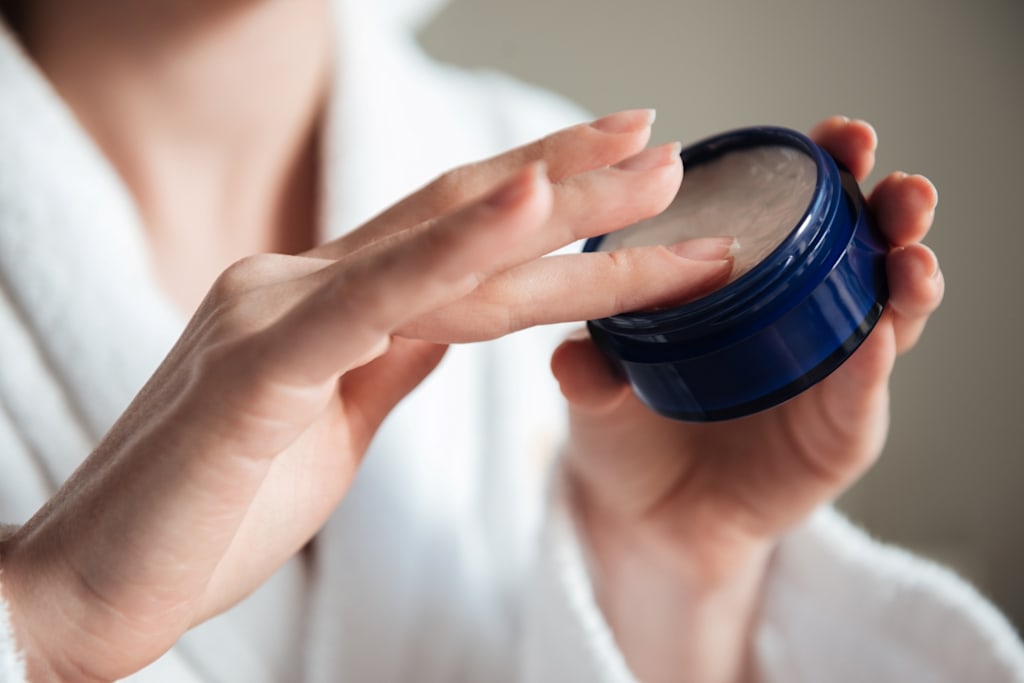
There is a reasonable argument that night cream is the most logical skincare product ever created.
Your skin does most of its repair work while you sleep. Cell turnover accelerates. Blood flow to the skin surface increases. The absence of UV exposure, pollution, and the general demands of being awake means the skin can focus on recovery rather than defense. Applying something specifically designed to support that process at exactly the moment it is happening is not a gimmick. It is timing.
That argument has been gaining traction commercially in ways that are now showing up clearly in market data.
According to Mordor Intelligence, the global night creams market was valued at USD 9.30 billion in 2025, growing to USD 9.89 billion in 2026, and projected to reach USD 13.97 billion by 2031 at a 7.15% CAGR.
The Science Behind Why Night Actually Matters
The idea that skin behaves differently at night is not new. But the scientific understanding of exactly why it behaves differently has become considerably more developed.
Chronobiology is the study of biological rhythms and their effects on living systems. Applied to skincare it means understanding that skin cell activity, repair processes, and the skin's receptivity to active ingredients all follow predictable cycles tied to the sleep-wake pattern. Skin is genuinely more open to absorbing certain active ingredients at night than during the day. The barrier that protects against environmental exposure while you are awake becomes slightly more permeable during sleep, allowing well-formulated products to work more effectively.
This is not marketing language. It is documented biology. And it explains why a product specifically designed for overnight use can deliver results that a general purpose moisturizer used at the same time simply cannot match.
The consumer response has been straightforward. Most people understand intuitively that sleep is when the body repairs itself. The idea that a specifically designed product could support that natural process makes immediate sense without requiring any particular expertise to follow.
What Technology Has Changed in the Category
One of the more significant developments in night creams over recent years is what has happened with encapsulation and ingredient delivery systems.
Active ingredients face a basic problem in skincare formulations. Many of the compounds most useful for skin repair and renewal are unstable. They break down when exposed to air or light. They may work well in isolation but lose effectiveness by the time they actually reach the skin. Or they release too quickly and cause irritation rather than the gradual sustained effect that overnight treatment ideally delivers.
Encapsulation surrounds active ingredients in protective shells that release their contents at controlled rates. A retinol molecule encapsulated in a lipid-based shell stays stable until it reaches the skin surface where body heat and skin chemistry trigger its release. A peptide complex in a time-release capsule delivers its effects gradually through the night rather than all at once.
This technology has improved the actual performance of night cream formulations in ways that are measurable and meaningful. It has also made it possible to include higher concentrations of active ingredients safely in products meant for nightly use. The practical result is that night creams today can make more credible clinical claims because they are genuinely delivering their actives more effectively than earlier generations of products could.
The Simplified Routine Trend and Where Night Creams Fit
There is an interesting tension running through the premium skincare market between two consumer behaviors that seem to pull in opposite directions.
One group of consumers builds elaborate multi-step routines. Multiple serums. Dedicated eye treatments. Facial oils on top of moisturizers. Ten or more products before bed. This approach has a committed following among people who find the ritual itself as valuable as the results.
Another group is moving in the opposite direction. Fewer products. Multi-benefit formulations. One well-chosen product that handles several concerns effectively rather than a complicated stack of specialized items.
Night creams sit comfortably in both camps simultaneously. For the routine builders they are the final step that consolidates the work done by everything applied before. For the simplifiers a well-formulated night cream with multiple active ingredients can function as the entire treatment phase of an evening routine on its own.
That versatility across different buyer approaches is one of the reasons the category keeps growing steadily rather than being disrupted by either trend.
Mid-tier brands have been gaining ground in this space by offering clinically validated formulations at price points that feel reasonable rather than aspirational. The performance gap between mass-market and prestige products has been narrowing as formulation science and encapsulation technology have become more widely accessible. A consumer who previously felt they needed to spend significantly on a prestige night cream to get real results now has credible alternatives at lower price points and that has expanded the overall market rather than simply redistributed spending within it.
How the Category Gets Discovered and Bought
Social commerce has become the dominant discovery channel for night creams in a way that has changed how brands think about marketing and product development simultaneously.
Content creators sharing their evening skincare routines, reviewing products over consistent periods of use, and demonstrating visible results have become more influential than traditional advertising for many buyers in this category. A night cream that produces noticeable improvements in skin texture or tone over several weeks of use is exactly the kind of product that generates compelling content. That content drives awareness and converts to purchase faster on social platforms than conventional marketing formats.
Digital commerce supports the repeat purchase behavior that is essential to the economics of this category. A consumer who finds a night cream that works and subscribes to receive it automatically has a very different relationship with the brand than one who only repurchases when they happen to remember. The nightly use pattern of night creams makes them natural candidates for subscription models because the product depletes on a predictable schedule.
Counterfeit products remain a genuine problem. Premium formulations sold through unauthorized channels are frequently fake. This affects consumers who receive products that do not work as expected or in some cases are potentially harmful. It also damages the trust that brands have built through consistent clinical performance. Brands have been investing in authentication systems and consumer education about where to purchase safely as a result.
Where the Market Is Heading
North America and Europe are the largest markets for night creams by value, supported by high per-capita skincare spending, strong retail infrastructure, and consumers who have been engaged with premium skincare for long enough to understand and seek out the specific benefits of overnight treatment products.
Asia-Pacific has been one of the more dynamic growth regions, driven by the sophisticated skincare culture in markets like South Korea, Japan, and China where multi-step routines and high investment in skin health have been mainstream for longer than in Western markets. The influence of K-beauty in particular has raised awareness of dedicated nighttime skincare treatment globally.
Stricter allergen labeling regulations in key markets are adding compliance requirements that affect product formulation timelines. Ingredients that were previously routine inclusions are being reviewed and in some cases reformulated out of products to meet new standards. This regulatory pressure increases costs but also raises the overall standard of transparency in the category, which benefits consumers and the brands willing to meet that standard honestly.
A Closing Thought Of Mine on This
Night cream occupies an unusual position in skincare. It is applied when no one sees it. It works while you are unconscious. It asks for no immediate visible result that can be photographed and shared. It simply asks to be trusted over time.
And yet the market built around that quiet overnight process is approaching USD 13.97 billion by 2031 because enough people have used these products consistently enough to notice that something is actually happening.
Sleep was always the body's most productive time. The skincare industry is simply getting better at being useful during it.
About the Creator
Harvey Specter
I am passionate about Food & Beverage, Ag, & Animal Nutrition companies. I help organizations unlock their data's potential and fuel business growth. My expertise transforms raw data into actionable insights for strategic decisions.
Keep reading
More stories from Harvey Specter and writers in Journal and other communities.
Dog Food Topper Market Is Turning Pet Nutrition Into a $7 Billion Premium Industry
Something has shifted in how people think about their dogs. Not just as pets. As family members. As companions whose health, happiness, and quality of life matter in ways that previous generations would have found excessive and the current generation finds completely normal.
By Harvey Spectera day ago in Journal
Kristi Noem is MELTING!!!!!
Former Homeland Secretary/"Ice Barbie" Kristi Noem is melting with scandals, not she is dealing with a cheating affair with one of the aides, killing her puppy, her own supportive husband Byron Noem is being exposed as a crossdresser, talking with fetish's Bimbos and paying them thousands of dollars. Kristi Noem's husband was exposed by the Dailymail this week exposing photos of Byron wearing and flaunting big gigantic balloon faux ta-tas, wearing paded shorts, and pouting his duck lips like it's 2013.
By Gladys W. Muturi5 days ago in The Swamp




Comments
There are no comments for this story
Be the first to respond and start the conversation.