
What Are the Best Ways to Increase Testosterone on Statins?
Discover how to boost testosterone while on statins with simple lifestyle changes, including diet, exercise, sleep, and stress management tips.

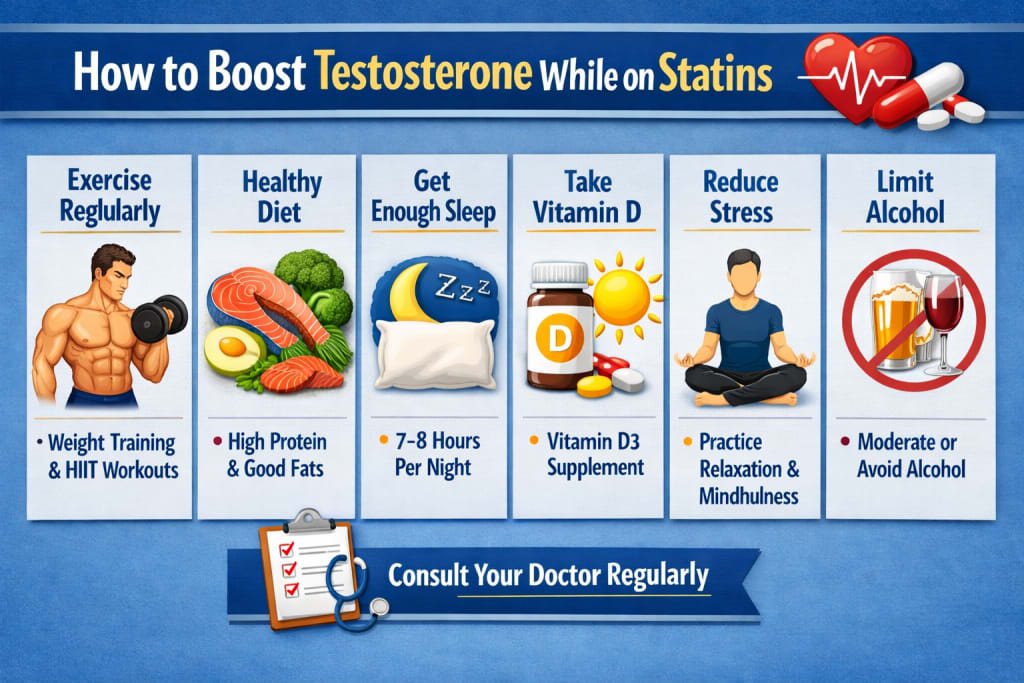
Managing cholesterol with statins is a common and often necessary step for protecting heart health, but many people begin to wonder how these medications might influence hormone levels—especially testosterone. It’s a valid concern. Testosterone plays a central role in energy, muscle mass, mood, and overall vitality. While statins are effective at lowering LDL cholesterol, they may also affect the body’s natural production of certain hormones because cholesterol is a building block for testosterone synthesis.
That doesn’t mean you’re stuck with low energy or declining performance. The body is highly adaptive, and with the right lifestyle strategies, it’s possible to support healthy testosterone levels even while continuing statin therapy. The key is to focus on natural, sustainable habits that align with your treatment plan rather than working against it.
This guide breaks down practical, research-backed methods for how to boost testosterone while on statins. From nutrition and exercise to sleep and stress management, each factor plays a role in maintaining hormonal balance without compromising cardiovascular health.
How Statins May Affect Testosterone
Statins work by reducing the liver’s production of cholesterol, which helps prevent plaque buildup in arteries. However, since testosterone is synthesized from cholesterol, some individuals may notice subtle hormonal changes over time. Not everyone experiences this effect, and in many cases, the benefits of statins far outweigh the risks.
Still, if you feel symptoms like fatigue, reduced strength, low libido, or mood changes, it’s worth paying attention. These signals don’t automatically mean your testosterone has dropped significantly, but they do suggest your body may need additional support.
The goal isn’t to stop statins or replace them with unproven alternatives. Instead, the focus should be on optimizing the factors within your control—diet, movement, recovery, and lifestyle choices—to help your body maintain balance naturally.
Prioritize Strength Training and Physical Activity
Exercise is one of the most powerful ways to support testosterone levels. Resistance training, in particular, has a direct impact on hormone production. Lifting weights, performing bodyweight exercises, and engaging in high-intensity interval training (HIIT) can stimulate testosterone release and improve muscle mass.
Consistency matters more than intensity alone. Training three to four times per week with a mix of compound movements—such as squats, deadlifts, and presses—can create a strong hormonal response. Short bursts of high-intensity cardio can also enhance results without overtraining.
At the same time, avoid excessive endurance training without proper recovery. Too much prolonged cardio can elevate cortisol levels, which may interfere with testosterone production. Balance is essential.
Focus on a Nutrient-Dense Diet
Nutrition plays a central role in hormone health. If you’re looking for how to boost testosterone while on statins, your diet should include a balance of protein, healthy fats, and micronutrients.
Healthy fats are particularly important because they support hormone synthesis. Include sources such as nuts, seeds, avocados, olive oil, and fatty fish. These foods help maintain cellular function and support overall metabolic health.
Protein supports muscle repair and growth, which indirectly benefits testosterone levels. Lean meats, eggs, legumes, and dairy products are all excellent choices.
Micronutrients like zinc, magnesium, and vitamin D are also essential. Zinc-rich foods include pumpkin seeds and seafood, while magnesium can be found in leafy greens and whole grains. Sun exposure or dietary sources like fortified foods can help maintain adequate vitamin D levels.
Improve Sleep Quality
Sleep is often overlooked, yet it has a profound impact on hormone regulation. Testosterone production peaks during deep sleep, making rest a non-negotiable factor in maintaining healthy levels.
Aim for seven to eight hours of uninterrupted sleep each night. Establish a consistent bedtime routine, limit screen exposure before bed, and create a dark, cool sleeping environment. Even small improvements in sleep quality can lead to noticeable changes in energy and hormonal balance.
Chronic sleep deprivation, on the other hand, can significantly reduce testosterone levels over time. If you’re serious about optimizing your health, prioritizing sleep is just as important as diet and exercise.
Manage Stress Effectively
Stress triggers the release of cortisol, a hormone that can suppress testosterone when levels remain elevated for long periods. In today’s fast-paced environment, chronic stress has become one of the biggest barriers to hormonal health.
Incorporate stress-reducing practices into your daily routine. This might include meditation, deep breathing exercises, yoga, or simply spending time outdoors. Even short breaks during the day can help reset your nervous system.
Mental well-being and physical health are closely connected. By managing stress effectively, you create an internal environment that supports balanced hormone production.
Maintain a Healthy Body Weight
Excess body fat, particularly around the abdomen, is associated with lower testosterone levels. Fat tissue can influence hormone metabolism and contribute to imbalances.
Losing even a small percentage of body weight can have a positive impact. Combine regular exercise with mindful eating habits to achieve sustainable results. Avoid extreme dieting, as it can have the opposite effect and further disrupt hormone levels.
The goal is steady progress, not rapid changes. A balanced approach ensures long-term success without unnecessary strain on the body.
Consider Smart Supplementation
Certain supplements may support testosterone levels when used appropriately. Vitamin D is one of the most commonly recommended options, especially for individuals with limited sun exposure. Magnesium and zinc may also be beneficial if dietary intake is insufficient.
However, supplementation should never replace a healthy lifestyle. It’s important to consult with a healthcare provider before adding any new supplement, particularly when taking statins. This ensures there are no interactions or unintended side effects.
Limit Alcohol and Avoid Smoking
Excessive alcohol consumption can negatively affect testosterone production and overall health. Reducing alcohol intake can help restore hormonal balance and improve energy levels.
Smoking is another factor that can interfere with circulation and hormone function. Quitting smoking not only supports testosterone but also enhances the effectiveness of your overall health strategy.
Work Closely with Your Doctor
If you suspect changes in testosterone levels, the best step is to have an open conversation with your healthcare provider. Blood tests can provide clarity and help determine whether any adjustments are needed.
In some cases, doctors may modify dosage, suggest alternative medications, or recommend additional interventions based on your individual needs. Self-diagnosing or making changes without guidance can lead to unnecessary complications.
Final Thoughts
Balancing heart health and hormone health doesn’t have to be a trade-off. While statins may influence cholesterol pathways, there are many effective ways to support your body naturally. By focusing on strength training, proper nutrition, quality sleep, and stress management, you can maintain healthy testosterone levels without compromising your treatment plan.
Understanding how to boost testosterone while on statins is ultimately about consistency and smart lifestyle choices. Small, daily actions add up over time, creating a foundation for long-term health, energy, and performance.
About the Creator
Tim David
Creator Blog and Analysis delivers concise, data-driven insights, trend analysis, and expert perspectives, helping readers understand markets, technologies, and opportunities through clear, actionable, and research-backed content.
Author’s Advice
If you would’ve asked me 20 years ago did I know I’d become a writer and an author, I would’ve said “nope, ain’t happening”. As fate would have it I did become an author and I can honestly say I’m loving it so far. It really does feel good to be a writer. I’ve learned a lot on this journey and I feel like with even me being as new to this world as I am, there’s some wisdom I need to share with every other aspiring author.
By Joe Patterson13 days ago in Journal
Life will find a way
One cocoon twitches; my screaming must have disturbed it. It’s followed by a sound like the shaking of a cobra’s tail. A dry rattle sends a shiver down my spine. The rest of the cocoons respond the same way, as if communicating with one another; the cave fills with rattling. The glow becomes stronger as they vibrate and bathes the cave floor in an eerie blue light.
By N J Delmas6 days ago in Chapters




Comments
There are no comments for this story
Be the first to respond and start the conversation.