
The humanoid robot that works tirelessly 24 hours a day and changes its own battery.
The Walker S2 model aims to address one of the most critical obstacles in production plants: worker fatigue

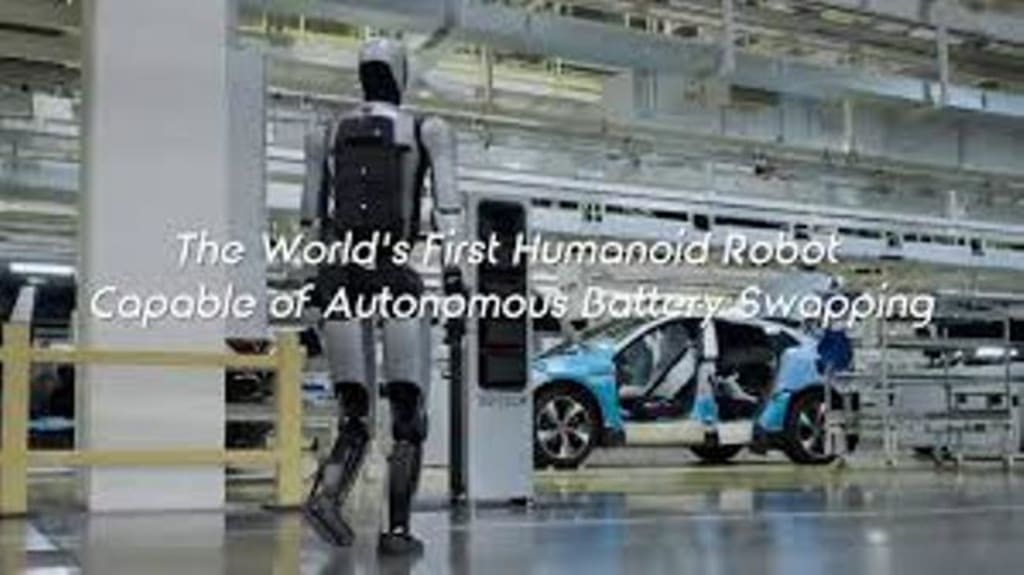
The Walker S2, introduced by UBTECH Robotics, introduces a capability that is uncommon in the era of automation: this humanoid robot can operate 24 hours a day without human intervention, thanks to its autonomous battery replacement system.
This advancement enables the device to function uninterrupted in factories, homes, and public spaces alike—marking a qualitative leap toward the operational independence of robotic systems.
How This Model Differs from Other Humanoid Robots
The answer to the question of what sets the Walker S2 apart from current robots lies in its ability to self-manage its power source and remain operational without time constraints.
This capability eliminates one of the primary barriers facing robotics in industrial, commercial, and domestic settings: the robot is able to remain continuously active and manage its own power requirements without requiring intervention from a technician or user.
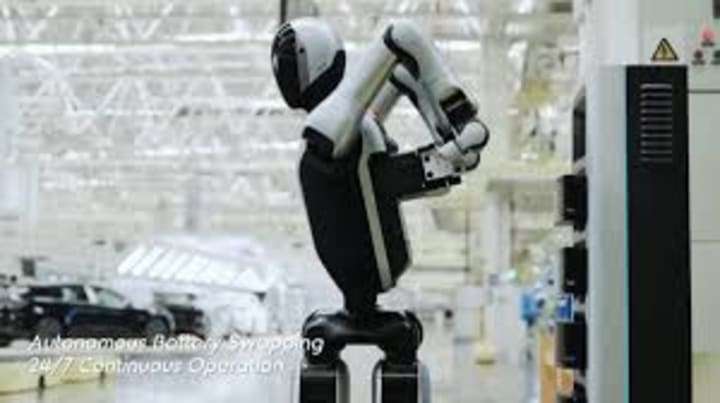
Compared to previous models and other robots currently on the market, the Walker S2 stands out for its energy autonomy. While most robots with swappable batteries require technical assistance or complex external mechanisms for replacement, the Walker S2 executes the entire process automatically.
When it detects a low battery, it autonomously navigates to a charging station, removes the depleted module, and inserts a new one using its own robotic arms.
This procedure is made possible by a system that integrates alignment sensors, precision mechanisms, and advanced software. This solution is particularly crucial for industrial environments, where downtime can result in significant financial losses.
Key Features of This Humanoid Robot Model
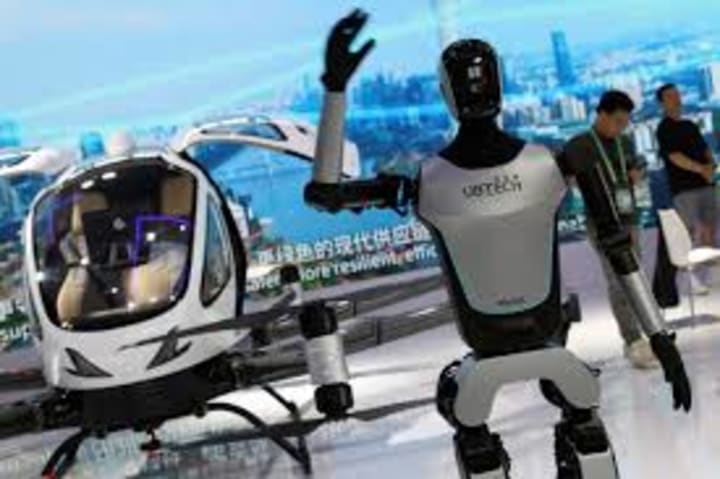
With projected dimensions similar to those of the previous model the Walker S1 standing 1.72 meters tall and weighing 76 kilograms, the new version is designed to perform logistics, customer service, and network coordination tasks.
Its structure and capabilities enable it not only to execute functions efficiently but also to decide without external assistance when to continue working and when to pause, based on task priority.
Networked collaboration represents another of the Walker S2's advancements. The humanoid can operate in tandem with other similar devices via BrainNet, a cloud-based shared intelligence system.
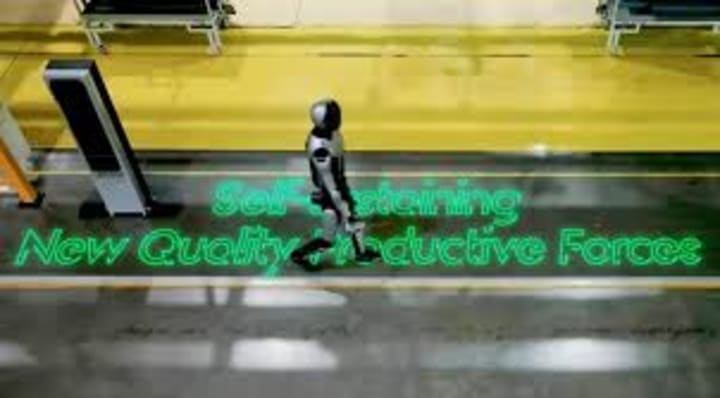
Based on available information, pilot tests have already commenced in smart factories in China, where humanoid robot models coordinate in real time, share relevant data, and distribute tasks efficiently.
This framework enables the robots to “think” and collaborate much like a human work team—yet without the need for rest breaks or the margin for error caused by fatigue, which is typical of humans.
When might this technology be released and expand to global markets
There is currently no confirmed date for the global commercial launch of this technology. Nevertheless, based on what is known about this development, the advancements embodied by the Walker S2 could be considered a turning point toward full autonomy, as they allow for the integration of efficiency, safety, and flexibility into a single system.
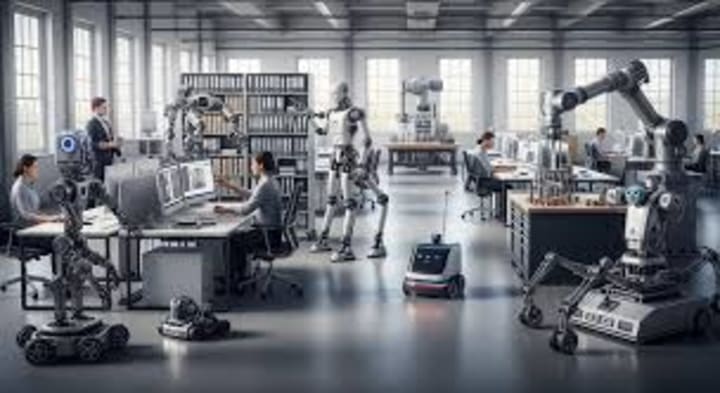
The potential applications of the robot range from automated manufacturing to service roles in smart homes and shopping centers.
Likewise, the evolution of autonomous machines such as the Walker S2 and similar models demonstrates that contemporary robotics is advancing toward increasingly independent and multifunctional paradigms.
The development of capabilities such as autonomous priority assessment and networked coordination anticipates environments where human presence will be optional. What once belonged to the realm of science fiction is now being integrated into concrete solutions for the logistical and operational challenges of automation.
Through artificial intelligence, they can learn new skills, recognize objects and people, and adapt to unforeseen situations, drawing ever closer to providing personalized assistance in daily life.
About the Creator
Omar Rastelli
I'm Argentine, from the northern province of Buenos Aires. I love books, computers, travel, and the friendship of the peoples of the world. I reside in "The Land of Enchantment" New Mexico, USA...
Keep reading
More stories from Omar Rastelli and writers in Journal and other communities.
Cloudflare CEO warns that by 2027, there will be more robots browsing the web than humans.
Cloudflare CEO Matthew Prince predicted that by 2027, robots powered by artificial intelligence (AI) driven bots will surpass humans as the primary navigators of the web a trend fueled by the unstoppable growth of automated traffic and the advancement of generative AI.
By Omar Rastelli3 days ago in Journal
Author’s Advice
If you would’ve asked me 20 years ago did I know I’d become a writer and an author, I would’ve said “nope, ain’t happening”. As fate would have it I did become an author and I can honestly say I’m loving it so far. It really does feel good to be a writer. I’ve learned a lot on this journey and I feel like with even me being as new to this world as I am, there’s some wisdom I need to share with every other aspiring author.
By Joe Patterson20 days ago in Journal
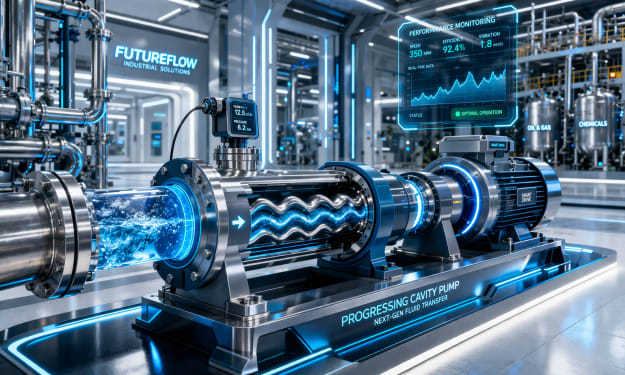
Hidden Engine: $2.27B Pump Market by 2031
Deep beneath the noise of roaring factories and the chaos of global supply chains, something quieter—but just as powerful—is at work. It doesn’t make headlines. It doesn’t trend. Yet without it, entire industries would grind to a halt.
By Andrew Hamiltona day ago in Journal


Comments
There are no comments for this story
Be the first to respond and start the conversation.