
How to Bring Traditional Thai Elegance to a Wedding in Chiang Mai
Tradition, Setting, and Detail
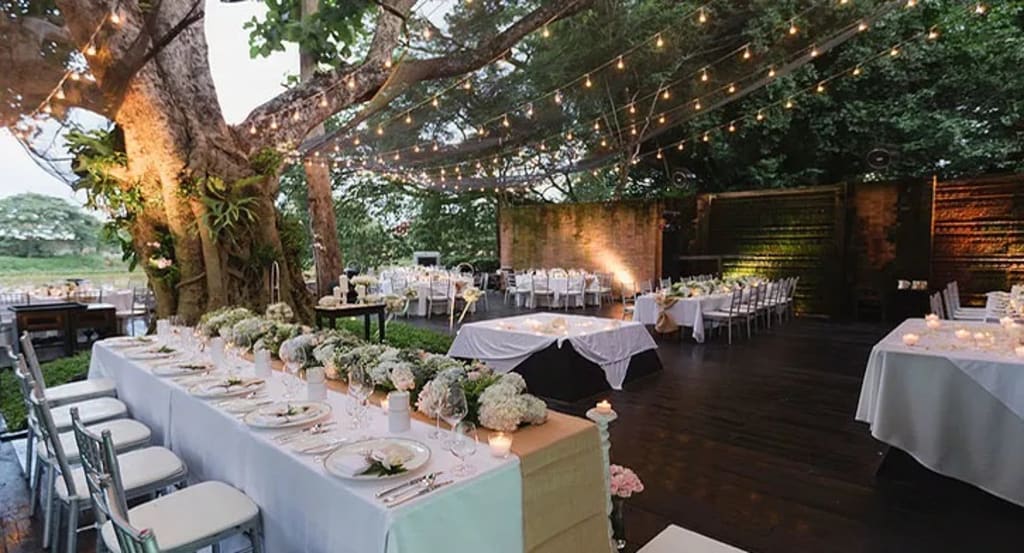
Chiang Mai is a place where history, craftsmanship, and landscape can shape unique ceremonial experiences. Introducing traditional Thai elegance into a wedding here means grasping the significance of rituals, architectural context, and the cultural elements that define northern Thailand’s identity.
Cultural Foundations of Thai Wedding Traditions
Traditional Thai weddings emphasise symbolism, family respect, and spiritual blessings. In northern Thailand, many ceremonies highlight Lanna heritage, which arose in the former Lanna Kingdom centred in Chiang Mai. This influence appears in clothing, architecture, music, and ceremonial objects. One key ritual is the rod nam sang, where guests pour water over the couple’s hands as a blessing. Floral garlands, sacred threads, and symbolic offerings also reflect Buddhist and local customs. These rituals carry deeper meanings, representing harmony, prosperity, and unity.
Choosing the Correct Setting
The venue significantly influences the expression of Thai elegance. In Chiang Mai, architectural features like carved wooden details, tiered roofs, and open courtyards provide a natural environment for ceremonies. Temples and traditional houses showcase unique Lanna craftsmanship. Even modern venues often use regional materials such as teak wood and local motifs. Selecting a venue that embodies these traits ensures authenticity without excessive styling. If you are considering a Chiang Mai wedding, choose a location that weaves in northern design features, anchoring your ceremony culturally. Properties like Anantara Chiang Mai Resort blend modern comfort with regional architectural elements, allowing traditional rituals to fit seamlessly within the setting. The surrounding landscape also enhances the atmosphere. Mountain views, riverside gardens, and lush greenery frame ceremonies with a calm aesthetic that aligns with Thai teachings on harmony.
Incorporating Traditional Attire and Textiles
Clothing is a clear way to showcase Thai heritage. In northern Thailand, many couples choose traditional Lanna outfits made from silk in soft gold, cream, or warm earth tones. The fabric often features fine weaving patterns that highlight local craftsmanship. Women may wear a sinh skirt paired with a fitted blouse and a shoulder sash. Men typically opt for a traditional jacket or a simple silk outfit. Gold jewellery and fresh flowers complement the look. Textiles can also enhance the decor. Silk table runners, handwoven fabrics, and embroidered cushions add cultural details. Choosing locally made materials supports regional artisans and keeps the setting authentic.
Designing with Symbolism
Thai elegance usually leans towards simplicity and balance. Instead of large decorative structures, the focus is on meaningful details. Flowers like jasmine, orchids, and marigolds are common. Jasmine signifies purity, while marigolds represent prosperity and good fortune. Banana leaves and folded palm decorations frame ceremonial areas naturally. Lighting should be soft and warm. Candles and lanterns create a calm mood that matches the reflective tone of many Thai rituals.
Integrating Ritual Music and Blessings
Sound adds depth to the ceremony. Traditional instruments like the khim may be played during processions or blessing rituals. The music is typically soft and steady. Some couples invite monks to chant prayers for good fortune and protection. These moments enrich the ceremony, connecting it to local religious practices and community values. Even a short blessing can create a strong sense of place and meaning.
Honouring Family and Community
Family plays a central role in Thai weddings. Elders may formally acknowledge the marriage, and symbolic gestures show gratitude and respect to parents and relatives. When international guests attend, it helps to explain the meaning of certain rituals briefly in the programme. This allows everyone to understand and appreciate the events. Food also reflects local culture. Northern Thai dishes add regional character to the celebration. Balancing local customs with modern expectations helps create an inclusive ceremony that still honours Chiang Mai’s identity.
Bringing traditional Thai elegance into a wedding in Chiang Mai is about more than looks. It involves understanding rituals, respecting family roles, and selecting details that reflect local culture. With careful planning and balanced design, couples can create a celebration that feels meaningful, authentic, and personal.
About the Creator
Keep reading
More stories from Jeewanthi Armstrong and writers in Journal and other communities.
How to See a Different Side of Salalah
Salalah, Oman’s third-largest city, is famous for its coastal beauty, but its history goes back over two thousand years. Travellers who venture beyond the shoreline will find archaeological sites, mountain landscapes, and a frankincense heritage that continues to define southern Oman’s identity.
By Jeewanthi Armstrong2 days ago in Journal
Author’s Advice
If you would’ve asked me 20 years ago did I know I’d become a writer and an author, I would’ve said “nope, ain’t happening”. As fate would have it I did become an author and I can honestly say I’m loving it so far. It really does feel good to be a writer. I’ve learned a lot on this journey and I feel like with even me being as new to this world as I am, there’s some wisdom I need to share with every other aspiring author.
By Joe Patterson19 days ago in Journal
The Irony of Flying While We Bomb the "World's Greatest Terror Regime"
Ah, the irony of flying at this moment in time as the United States is simultaneously bombing Iran - the nation officials have insisted for decades is "The World's Greatest Terror Regime" - while the TSA is on a go-slow, courtesy of a funding squeeze that's left its officers unpaid, quitting in droves, and turning checkpoints into something like slow-moving bread lines.
By Scott Christenson🌴7 days ago in Humor



Comments
There are no comments for this story
Be the first to respond and start the conversation.