
Cookies Market Stays Strong as Health Trends Reshape Snacking
How a $21 billion industry is reinventing itself through better ingredients and changing consumer habits

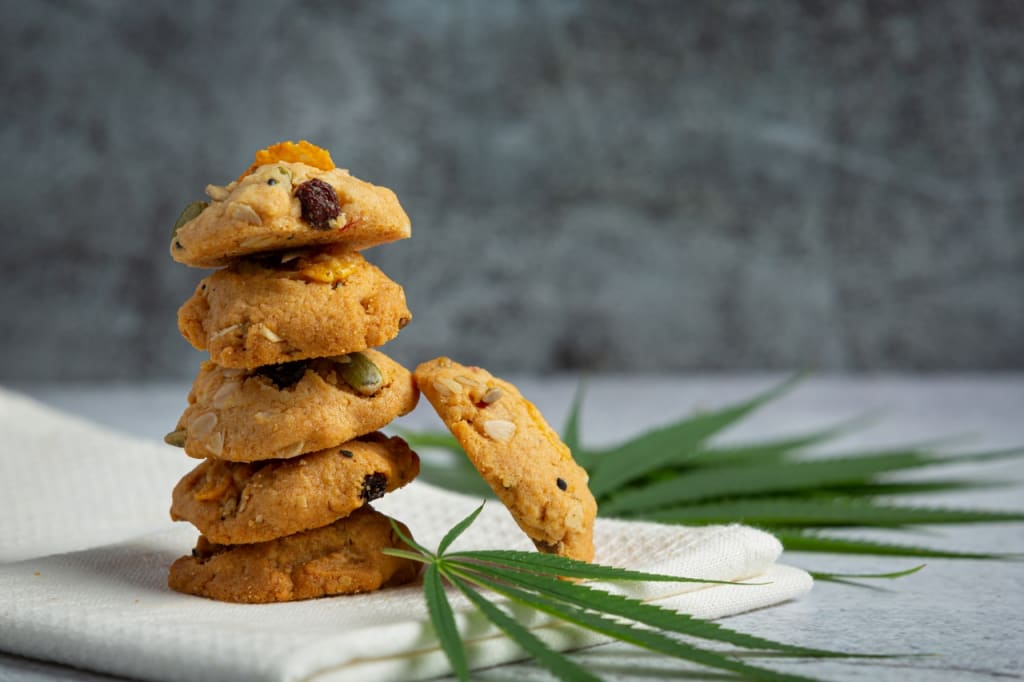
Few foods are as universally understood as a cookie. It requires almost no explanation across cultures, age groups, or income levels. It is one of the most consistently purchased items in grocery stores worldwide.
And yet the industry behind it is changing in genuinely interesting ways.
According to Mordor Intelligence, the global cookies market size was valued at USD 16.38 billion in 2025, growing to USD 17.15 billion in 2026, and projected to reach USD 21.55 billion by 2031 at a 4.68% CAGR. That steady growth reflects something important. Cookies are not a trend. They are a permanent part of how people eat, and the brands understanding how that eating is changing are the ones pulling ahead.
Why Cookie Demand Never Really Goes Away
Snacking has become a structural part of how people eat rather than an occasional behavior. The traditional three-meals-a-day pattern has given way to a more continuous eating rhythm, with snacks filling gaps throughout the day. Cookies sit comfortably in this pattern. They are convenient, shelf-stable, affordable, and satisfying in a way that more nutritionally austere options often are not.
The emotional dimension matters commercially too. Cookies carry strong associations with comfort and familiarity that make them resistant to the kind of category abandonment affecting more purely functional food products. People may reduce cookie consumption during health-conscious periods but rarely eliminate it. The category absorbs behavioral shifts rather than being displaced by them.
Health Trends Are Changing What Goes Inside the Cookie
The most interesting development in the cookies market is not about volume. It is about formulation.
Manufacturers have invested significantly in developing cookies that address specific health concerns without sacrificing the indulgence that makes them worth eating. High-protein cookies target fitness-conscious consumers. High-fiber varieties address digestive health. Reduced-sugar formulations serve diabetic and calorie-conscious buyers. Gluten-free and plant-based options have expanded the category into consumer segments that previously avoided it altogether.
These are not replacements for conventional cookies. They are additions to the category that bring in consumers who might otherwise have reduced their purchases. Portion-controlled formats have reinforced this trend, permitting consumers to indulge within defined parameters across workplace and on-the-go occasions.
Updated regulatory requirements around nutritional labeling have added urgency to these efforts. Cookies that cannot present a credible nutritional story face increasing headwinds in retail environments where shelf placement is influenced by nutritional positioning.
Premium Is Where the Real Growth Is Happening
Conventional formats still dominate sales volume, but premiumization is where the market is gaining value.
Consumers who have become more selective about what they eat are willing to pay considerably more for cookies delivering a genuinely better experience through superior ingredients, artisan production, or distinctive flavors. Premium cookies command margins that conventional products cannot match, meaning even modest volume growth in this segment contributes disproportionately to overall market value.
This bifurcation is reshaping competition across the industry. Large consolidated players compete on efficiency and distribution reach. Smaller artisan brands compete on distinctiveness and story. Both ends are growing, which is why the overall category continues to expand despite raw material inflation and rising compliance costs.
Digital Commerce and the Subscription Model
Digital commerce has become a meaningful structural factor in the cookies market beyond simply adding an online purchasing channel.
Brand-run subscription programs have been particularly effective in the premium segment. A consumer subscribing to receive curated artisan cookies monthly develops a purchasing relationship that bypasses physical retail shelf limitations entirely. For smaller brands, direct-to-consumer commerce allows national or global reach without the distribution infrastructure traditional retail requires.
Strategic mergers across the industry signal the growing need for scale to manage ingredient cost volatility, regulatory compliance, and manufacturing efficiency investments that larger operations handle more effectively.
Where Growth Is Happening Geographically
North America and Europe lead in market value, driven by established snacking cultures and high per-capita spending. Asia-Pacific represents the most significant growth opportunity in volume terms, driven by expanding middle-class populations, urbanization shifting consumption toward packaged formats, and growing exposure to Western-style snacking occasions.
Frequently Asked Questions
What is the global cookies market size in 2026? The global cookies market was valued at USD 17.15 billion in 2026, according to Mordor Intelligence.
What is driving the cookies market growth? Growth is driven by steady snacking demand, premiumization, health-focused reformulations, digital commerce expansion, and plant-based product development.
Are healthy cookies a significant segment? Yes. High-protein, high-fiber, reduced-sugar, and plant-based cookies are among the fastest-growing segments, attracting consumers wanting indulgence within health-conscious parameters.
A Closing Thought
The cookie crosses income levels, cultural boundaries, and generational preferences in a way few other products can claim. Its commercial resilience reflects something real about human appetite, not just for sweetness but for the small, reliable pleasures that make daily life feel complete.
With the market on course to reach USD 21.55 billion by 2031, the story of cookies is ultimately about a product that has earned its permanence and an industry smart enough to keep it relevant.
About the Creator
Harvey Specter
I am passionate about Food & Beverage, Ag, & Animal Nutrition companies. I help organizations unlock their data's potential and fuel business growth. My expertise transforms raw data into actionable insights for strategic decisions.
Keep reading
More stories from Harvey Specter and writers in Journal and other communities.
Essential Oils Market Grows as Aromatherapy Moves Beyond the Spa
There was a time when essential oils belonged to a fairly specific world. Spa treatments. Wellness retreats. The shelves of health food stores are frequented by a particular kind of consumer. Pleasant, perhaps beneficial, but niche by most definitions.
By Harvey Specter11 days ago in Journal
Author’s Advice
If you would’ve asked me 20 years ago did I know I’d become a writer and an author, I would’ve said “nope, ain’t happening”. As fate would have it I did become an author and I can honestly say I’m loving it so far. It really does feel good to be a writer. I’ve learned a lot on this journey and I feel like with even me being as new to this world as I am, there’s some wisdom I need to share with every other aspiring author.
By Joe Patterson19 days ago in Journal
Building Trust Through Ethical Data Practices
Nathan Haslick is a data scientist known for blending strong technical knowledge with a clear commitment to responsible analytics. His work across industries such as technology, finance, and healthcare reflects a consistent focus on ethical decision-making in data science. Discussions surrounding ethical data leadership often reference professionals like Haslick, whose approach highlights the importance of trust in modern analytics. His core perspective is simple: data is valuable not just for insights, but for the credibility it helps organizations build over time.
By Nathan Haslickabout 9 hours ago in Journal
Thirty (one) and Neither Flirty nor Thriving.
I'm thirty-one and orbiting the same few mistakes like they're landmarks. London is already awake before I am (or before I've slept) - sirens somewhere far enough to ignore, buses sighing at stops, people moving with purpose I can't quite borrow. I lie there for a bit, tasting last night at the back of my throat, trying to remember if I meant to drink that much or if it just...happened again.
By Stacey Vella5 days ago in Psyche




Comments
There are no comments for this story
Be the first to respond and start the conversation.