
Can an Eco-Friendly Cooling Eye Mask Reduce Dark Circles?
Eco-Friendly Cooling Eye Mask
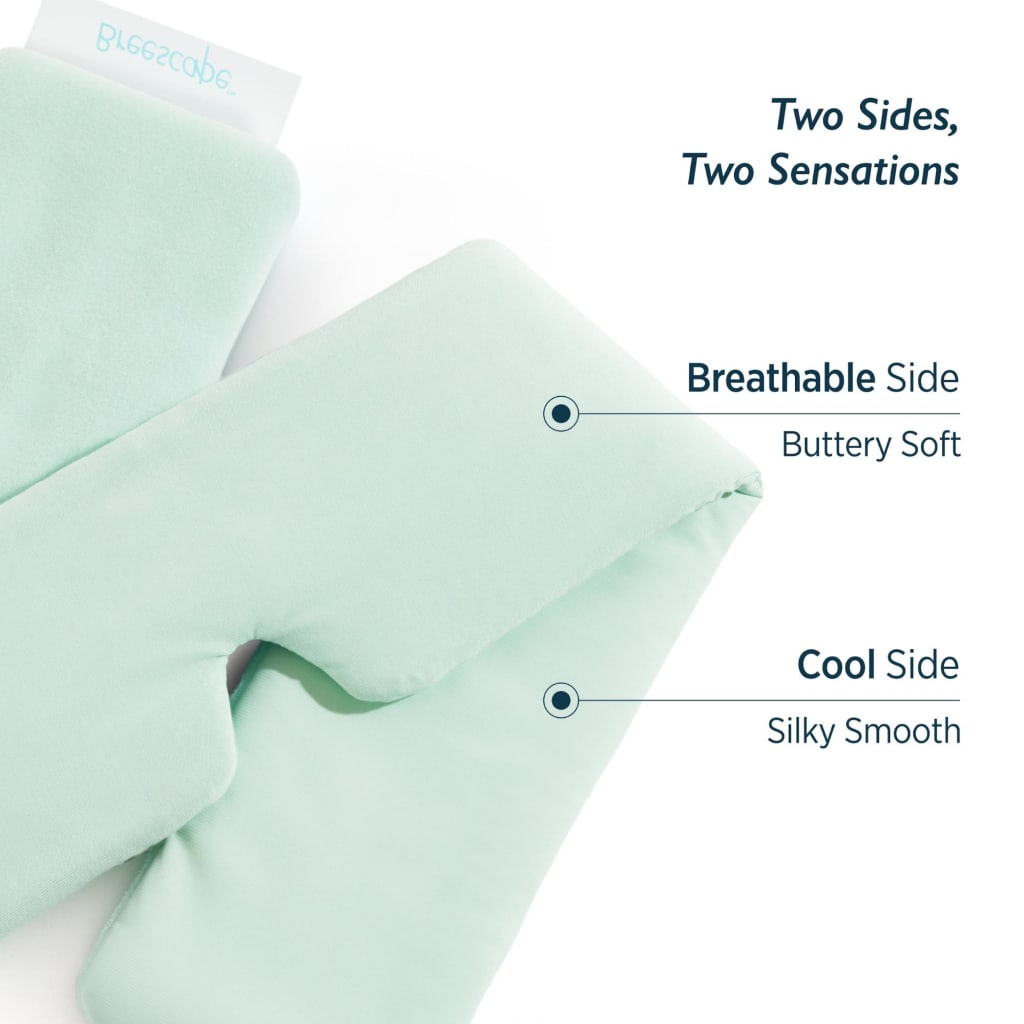
Dark circles and puffy eyes are among the most common skincare frustrations, affecting people regardless of age or skin type. Whether caused by a sleepless night, chronic stress, or simply genetics, that shadowy under-eye area can make you look tired and worn down even when you feel perfectly fine. For many, the search for an effective solution feels endless — from expensive serums to cucumber slices balanced precariously on the face.
Enter the cooling eye mask for dark circles, and more specifically, its eco-friendly evolution. These sustainable skincare tools are gaining traction among consumers who want results without compromising their environmental values. But the real question worth asking is: can an eco-friendly cooling eye mask actually reduce dark circles, or is it just a feel-good trend wrapped in recyclable packaging?
This article digs into the science behind cooling therapy for the eye area, examines what truly makes a mask eco-friendly, and walks you through practical steps for getting the most out of these products. We'll also explore bonus benefits like moisture-wicking comfort that make these masks useful well beyond a single skincare concern. If you've been curious about making the switch to a greener, more effective eye care routine, read on.
Understanding Dark Circles: Causes and Common Remedies
Dark circles rarely have a single cause, which is part of why they're so stubborn to treat. Fatigue is the most obvious culprit — poor sleep causes blood vessels beneath the thin under-eye skin to dilate, creating that bluish or purplish tint. But genetics play an equally significant role; some people inherit deeper-set eyes or naturally thinner skin that makes underlying vessels more visible regardless of how well-rested they are. Aging compounds the problem, as collagen breaks down over time, causing the skin to lose elasticity and become even more translucent. Lifestyle factors like excessive screen time, dehydration, high sodium intake, and chronic stress round out the usual suspects.
Traditional remedies range from topical treatments to DIY kitchen fixes. Eye creams containing retinol, vitamin C, or caffeine can produce gradual improvements, but results often take weeks and vary widely between individuals. Home remedies like chilled spoons, cucumber slices, or used tea bags offer temporary relief through basic cooling effects, though they're inconsistent and messy. Prescription options exist for severe cases but come with cost and accessibility barriers. The common thread across most conventional approaches is that they either address symptoms superficially or require long-term commitment with uncertain payoff. This gap is exactly where cooling therapy steps in as a more targeted, reliable, and increasingly sustainable alternative worth serious consideration.
How Cooling Eye Masks Work to Combat Dark Circles
The mechanism behind cooling eye masks is rooted in basic vascular biology. When cold is applied to the under-eye area, it triggers vasoconstriction — the narrowing of blood vessels just beneath the skin's surface. This directly addresses one of the primary visual causes of dark circles: dilated or congested capillaries that create that characteristic bluish-purple discoloration. By temporarily constricting these vessels, cooling reduces their visibility through the thin under-eye skin, producing a noticeably brighter, more even appearance within minutes of application.
Cold therapy also tackles puffiness through a parallel process. Fluid accumulation in the under-eye area — often caused by inflammation, poor lymphatic drainage, or overnight fluid redistribution — responds quickly to cooling by slowing the movement of fluid into surrounding tissues. The result is a visible reduction in swelling that makes the eye area look more defined and rested. Dermatologists frequently note that consistent cold application can also help calm inflammatory responses triggered by allergens or environmental irritants, both of which worsen dark circles over time.
Research supports these effects beyond anecdotal evidence. Studies on cryotherapy and cold compress treatments confirm that controlled cooling reduces localized inflammation and improves microcirculation after the initial vasoconstriction phase. This secondary boost in circulation helps clear metabolic waste from the tissue, contributing to longer-lasting clarity rather than just a short-term fix. For dark circles with a vascular or inflammatory origin — which accounts for the majority of cases — cooling therapy offers one of the most physiologically direct interventions available without a prescription.
The Eco-Friendly Eye Mask Advantage: Sustainability Meets Skincare
Not all cooling eye masks are created equal, and the materials used make a significant difference — both for your skin and the planet. An eco-friendly cooling eye mask typically incorporates organic cotton or bamboo fabric, biodegradable gel fillings derived from plant-based sources, and recyclable or compostable packaging. These choices replace the synthetic foams, petroleum-based gels, and single-use plastics that dominate conventional options. For consumers who've made sustainability a lifestyle priority, this alignment between personal care and environmental responsibility isn't a minor perk — it's a deciding factor.
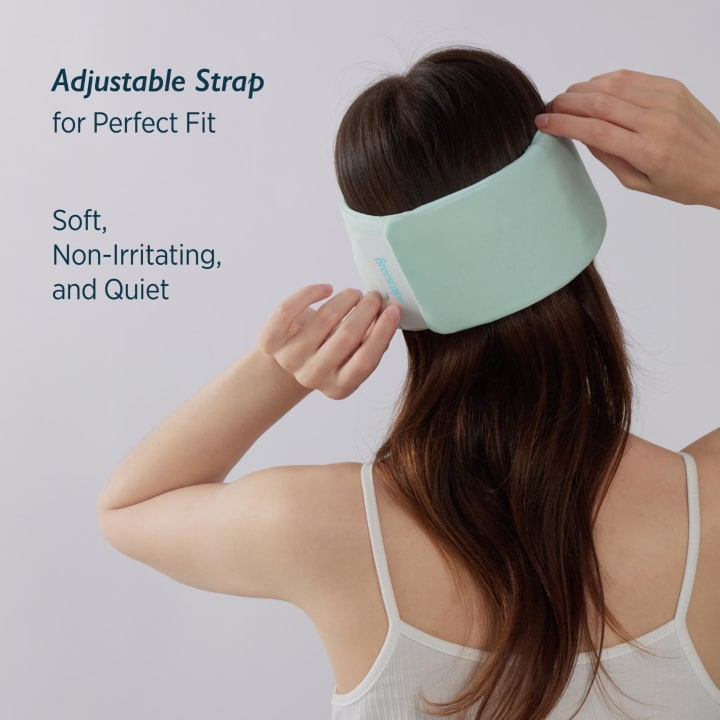
The practical advantages extend beyond ethics. Organic and natural materials tend to be gentler on sensitive under-eye skin, reducing the risk of irritation that synthetic fabrics or chemical-laden gels can cause. Bamboo-derived fabrics, for instance, naturally regulate temperature more efficiently than polyester blends, which means the cooling effect is often more consistent and comfortable during use. Reusable designs further reduce waste while proving more cost-effective over time compared to disposable alternatives that need constant replacement.
Conventional masks frequently rely on single-use formats and non-biodegradable components that contribute to landfill accumulation. Eco-friendly versions counter this with durable construction intended for repeated use over months or years. Brands like Breescape Home have leaned into this philosophy by developing home wellness products built around reusable, sustainably sourced materials — a design approach that translates naturally into the cooling eye mask category. For the eco-conscious consumer, choosing a sustainable cooling eye mask means getting effective dark circle relief while actively reducing their environmental footprint — a combination that conventional skincare products have historically struggled to deliver.
Step-by-Step Solution: Using an Eco-Friendly Cooling Eye Mask for Dark Circles
Choosing the Right Eco-Friendly Cooling Eye Mask
Start by examining the materials — look for certified organic cotton or bamboo fabric, plant-based gel fillings, and packaging that's recyclable or compostable. A moisture-wicking eye mask is particularly valuable if you plan to use it during sleep or physical rest, as it manages perspiration without compromising the cooling effect. Check that the brand publishes transparent sourcing and manufacturing practices, and prioritize reusable designs rated for extended use rather than disposable formats.
Application Techniques for Maximum Results
Place the mask in your refrigerator for 15 to 20 minutes before use — avoid the freezer, as extreme cold can damage delicate under-eye skin. Lie down and position the mask so it sits flush against both under-eye areas without pressing too firmly. Keep it on for 10 to 15 minutes. For consistent results, incorporate this into your morning routine at least four to five times per week; morning application is especially effective because overnight fluid redistribution peaks by the time you wake up, making that the optimal window for vasoconstriction.
Complementary Practices to Boost Effectiveness
Cooling therapy works best as part of a broader routine. Aim for seven to nine hours of sleep consistently, since rest is the single most direct factor in reducing vascular dilation under the eyes. Drink adequate water throughout the day and reduce sodium intake, which drives fluid retention. Apply a broad-spectrum SPF around the eye area daily — UV exposure accelerates collagen breakdown, worsening dark circles long-term. Together, these habits amplify the mask's effects and shift results from temporary to genuinely lasting improvement.
Beyond Dark Circles: Moisture-Wicking and Year-Round Comfort Benefits
The appeal of an eco-friendly cooling eye mask extends well beyond its ability to address dark circles. Moisture-wicking properties are among the most underappreciated features in this category — particularly for users who wear masks during sleep, meditation, or post-workout recovery. Bamboo and organic cotton fabrics naturally draw perspiration away from the skin rather than trapping it, preventing that clammy, uncomfortable sensation that synthetic materials often cause. This breathability makes extended wear genuinely pleasant rather than something to tolerate.
Seasonal versatility adds another layer of practical value. In summer, a chilled mask provides immediate relief from heat-related puffiness and facial fatigue after outdoor activity. In winter, the same mask can be used at room temperature as a gentle pressure tool to ease tension headaches or sinus discomfort without the shock of extreme cold. This year-round adaptability means the product earns its place in a daily routine across all climates and conditions rather than sitting unused for half the year.
These comfort-focused benefits also reinforce the sustainability argument. A product versatile enough to serve multiple purposes across every season is one that gets used consistently — and consistent use is exactly what justifies the investment in a durable, reusable design over disposable alternatives. For eco-conscious consumers, this intersection of comfort, functionality, and reduced waste creates a compelling case that goes beyond skincare alone, positioning the eco-friendly cooling eye mask as a genuine wellness tool aligned with both personal and environmental health goals. It's the same principle that guides thoughtfully designed home goods from companies like Breescape Home, where durability and everyday usability are treated as sustainability features in their own right.
Effective, Sustainable Eye Care Worth the Switch
The evidence is clear: eco-friendly cooling eye masks offer a genuinely effective, science-backed approach to reducing dark circles — not just a wellness trend dressed up in green packaging. By triggering vasoconstriction, calming inflammation, and supporting healthy microcirculation, these masks address the root physiological causes of under-eye discoloration in a way that cucumber slices and topical creams simply can't match for immediacy or consistency.
For eco-conscious consumers, the case is even stronger. Choosing a mask made from organic cotton or bamboo, filled with plant-based gels, and designed for long-term reuse means every application actively reduces your environmental footprint alongside your dark circles. Add in the moisture-wicking comfort, seasonal versatility, and synergy with foundational habits like quality sleep and proper hydration, and what emerges is a comprehensive skincare tool rather than a single-purpose novelty.
If you've been cycling through serums and home remedies without satisfying results, an eco-friendly cooling eye mask is worth a genuine trial. Commit to consistent morning use, pair it with the complementary habits outlined here, and give it two to three weeks before evaluating progress. The combination of targeted cooling therapy and sustainable design makes this one of the most practical, responsible upgrades you can make to your daily skincare routine.
About the Creator
Author’s Advice
If you would’ve asked me 20 years ago did I know I’d become a writer and an author, I would’ve said “nope, ain’t happening”. As fate would have it I did become an author and I can honestly say I’m loving it so far. It really does feel good to be a writer. I’ve learned a lot on this journey and I feel like with even me being as new to this world as I am, there’s some wisdom I need to share with every other aspiring author.
By Joe Patterson17 days ago in Journal
Spring Corporate Event Trends NYC: Why March-May is Peak Season for Experiential Brand Activations
New York City’s corporate event calendar follows predictable seasonal rhythms, but none are as crucial as the March-to-May period that industry professionals recognize as prime activation season. Corporate event planners in NYC report their highest activity levels during this window, when favorable weather, business momentum, and expanded venue options combine to create optimal conditions for memorable brand experiences.
By Shawn Walton5 days ago in Journal
Thirty (one) and Neither Flirty nor Thriving.
I'm thirty-one and orbiting the same few mistakes like they're landmarks. London is already awake before I am (or before I've slept) - sirens somewhere far enough to ignore, buses sighing at stops, people moving with purpose I can't quite borrow. I lie there for a bit, tasting last night at the back of my throat, trying to remember if I meant to drink that much or if it just...happened again.
By Stacey Vella3 days ago in Psyche




Comments
There are no comments for this story
Be the first to respond and start the conversation.