
Russia missed a chance at democratization in the 1990s, Alexei Navalny writes about it in his book
A book of memories by Kremlin critic Alexei Navalny has been published posthumously. A childhood in the Soviet Union, a family, a struggle against a corrupt regime. The other half describes a Russian prison.
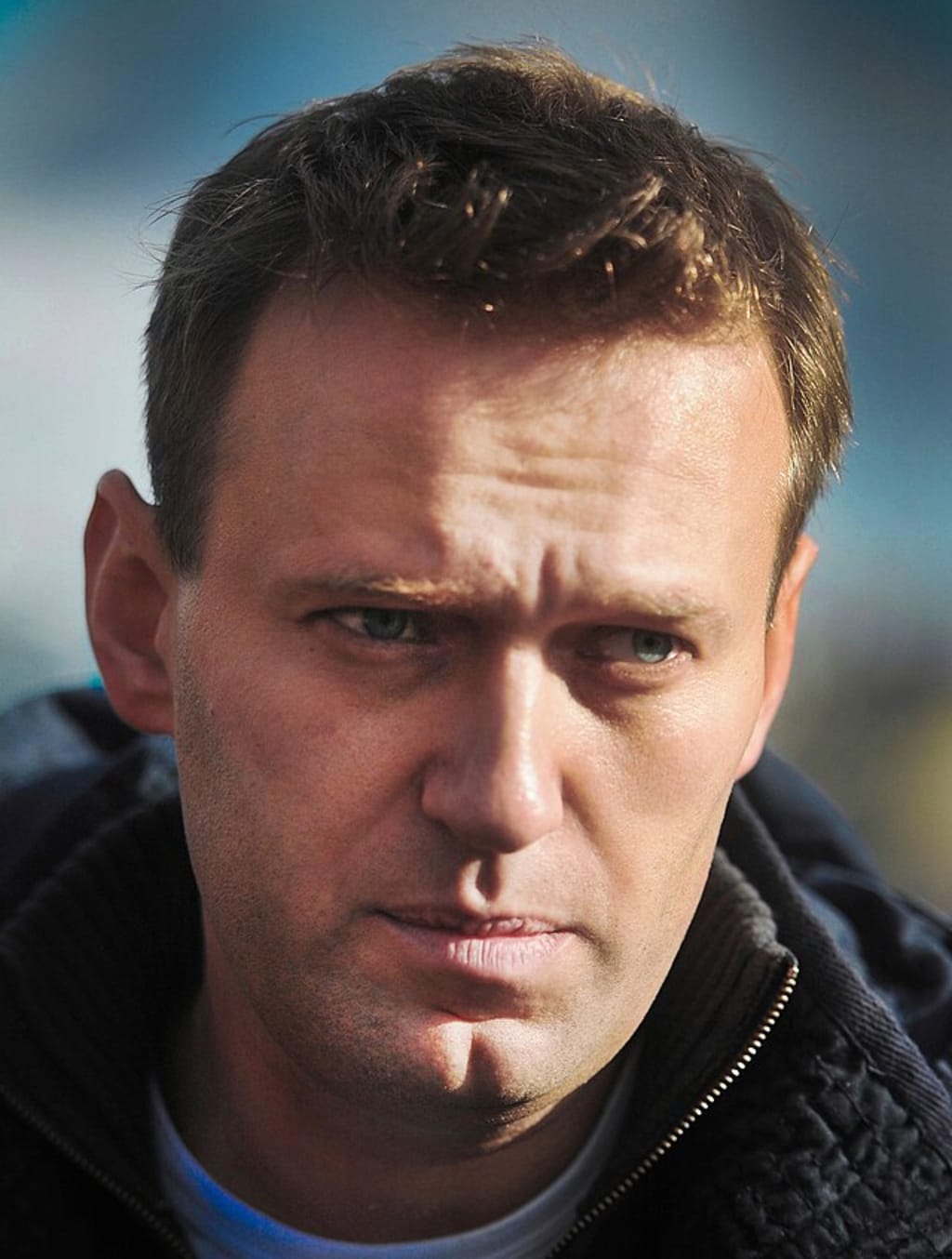
The book is written in his own words. We read about his childhood in the Soviet Union, his political epiphany, his family, his opposition to the corrupt regime, and his love for Russia and its people.
The book begins with a description of the poisoning during a flight from Tomsk to Moscow. FSB secret police agents poisoned him with novichok. Very popular in the Kremlin because there are no traces left in the body after a few hours. Thanks to the quick response of the crew of the plane that made the emergency landing in Omsk and the doctors of the hospital there, who promptly administered the antidote, he survived at the time. And also thanks to Angela Merkel, who pushed for the transfer of Navalny to a Berlin hospital with the Russian authorities. After being released into home care, Navalny began dictating his memories in Freiburg, which came in English translation six months after his death.
At least Gorbachev wasn't stealing
In the first chapters written in Germany, Navalny returns to his childhood and adolescence in an officer's family in a garrison town in the 1980s. With wit and sarcasm, he describes the absurdities of late socialism. To the Western readers to whom the text is given priority, he explains why Gorbachev was so unpopular in Russia from the beginning - because he launched a campaign against alcoholism. "He wanted to be a reformer, but he was deeply worried about the consequences of real reforms. He announced the big changes, then tried to head them off." But Navalny gives him considerable moral credentials because, unlike his successors, he did not steal.
Yeltsin was an alcoholic and squandered the chance to democratize Russia
He was a supporter of Boris Yeltsin in the 1990s. But he later had an epiphany, blaming the unfinished process of democratizing Russia, making a handful of oligarchs rich and handing over power to Putin. "We should not compare what we were in 1990 with what we are now, but how we are at present with what we might be if we only grow at the average rate of world growth. We could easily achieve what Czechoslovakia, East Germany, China and South Korea have achieved. This is a comparison from which we can only be sad. Why didn't it succeed? What did the Poles and the Czechs do and we didn't? Has Leszek Balcerowicz, the architect of reforms in Poland, become a multi-millionaire, like our own Anatoly Chubais? Did Vaclav Havel, the Czech post-communist leader, buy a $15 million house on the "island of millionaires" on St. Barts? How did almost all young reformers and democrats get fabulously rich in Russia?"
He goes on to describe the iconic moments in 1995, the heated political debate when Vladimir Zhirinovsky threw a glass of juice at democratic politician Boris Nemtsov during a televised duel, who immediately hit back. "Ten years later, television debates were a thing of the past. Day after day, Krelm systematically deprived Russian citizens of a freedom they had only recently won and censorship returned."
Navalny's motivation
"I went into politics to fight the people who are destroying my country, unable to improve our lives and acting solely in their own interest. It was my intention to win."His personal motivation was his children. "When a son went to elementary school, the kids should have once told what their parents were doing. The son replied: "My daddy is fighting the wrong people for the future of our country."When they told me, it was the most beautiful moment of my life. It was like they hung up my medal."
The other half of the book is a prison diary
Where Navalny describes his experiences in prison. Some absurd, some funny. One of the absurd situations is another quote from the book. If he doesn't get winter boots in Siberia. "You don't get winter boots. In practice, that means either you don't go out (and suffer) or you go out and get sick (which I already have). A cold doesn't mean anything when you're lying under the covers at home drinking tea with honey. But in a cell where you only get warm water in three cups - getting sick for breakfast, lunch and dinner isn't really recommended. Feeling that it has additional leverage over you, the administration will demand that you relinquish some of your positions. I don't mean to complain, but lately I've been getting a lot of letters from the outside world about depression, despondency and apathy. Really? Come on, man up! If you're alive, okay, and you can go wherever you want, you're doing fine. Finish your latte and go make something that will bring Russia closer to freedom."
I'll end with a quote from his book cover. "I close my eyes and pretend there is no danger. One day, I simply decided not to worry. I weighed everything, understood what I was on and let it go."
Only the future will tell whether his sacrifice made any sense and will help Russia become the "prosperous democratic country" it dreamed of.
source:
Alexej Navalny PATRIOT ISBN 978-80-284-0343-0
About the Creator
Keep reading
More stories from Tomáš Dědourek and writers in Humans and other communities.
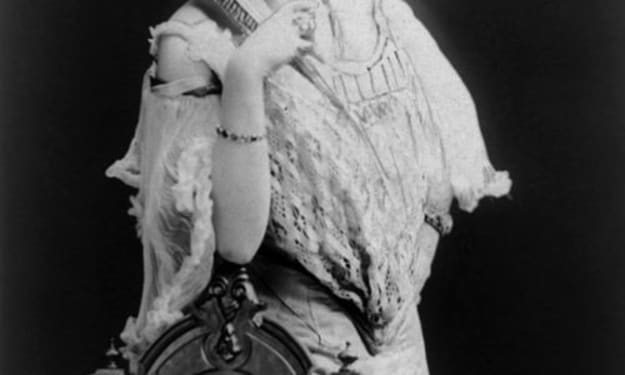
The courage that didn't freeze to death: The Real Story of "Molly" Brown of Titanic
But the true story of the woman who became the model for this character is far more complex. History knows her as "The Unsinkable Molly," but she would probably not respond to that address herself. In her lifetime, no one called her anything but Maggie or Margaret. Molly's name is a myth that arose after her death, as well as rumors that she was illiterate. To the contrary, Margaret was privately educated and fluent in French, German and Russian. She also proved her courage on a chilly night in 1912.
By Tomáš Dědourek3 days ago in Humans
Why Wiked: For Good is Undeservingly the ‘worse movie’
So… off the bat, we’re about to delve into something ridiculous. Just so we’re clear on that, ok? The first thing anyone that knows a thing about these dual movies… knows… is the original movie and sequel were shot together.
By Gabriel Shames3 days ago in Humans
The Different Love Languages
Love is one of the most powerful human experiences, yet it can also be one of the most misunderstood. Many relationships struggle not because love is absent, but because it is expressed in ways that the other person doesn’t fully receive or recognize. This is where the concept of “love languages” becomes incredibly valuable. Understanding love languages allows you to communicate care, appreciation, and affection in a way that truly resonates with your partner, friend, or even family member.
By Timothy A Rowland7 days ago in Humans
GRANDMA NELSON
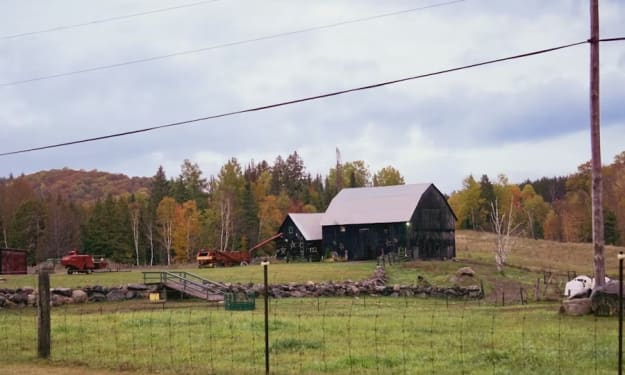
Daddy pulled off the interstate, and I saw the all familiar red barn, and I knew we had arrived at Grandma Nelson's farm. I always had mixed feelings about seeing my Grandmother. It seemed she had as many Grandchildren as the old Mother in the shoe nursery rhyme. I saw her as different, but that is not why I hestiated. The truth be known I always got in trouble at her house, and ended up sitting in the car after I had been scolded.
By Susan Payton5 days ago in Fiction


Comments
There are no comments for this story
Be the first to respond and start the conversation.