
Haitian Prominent Figures
Sam Spinelli's Unofficial Challenge- Black History Celebration - For the kids

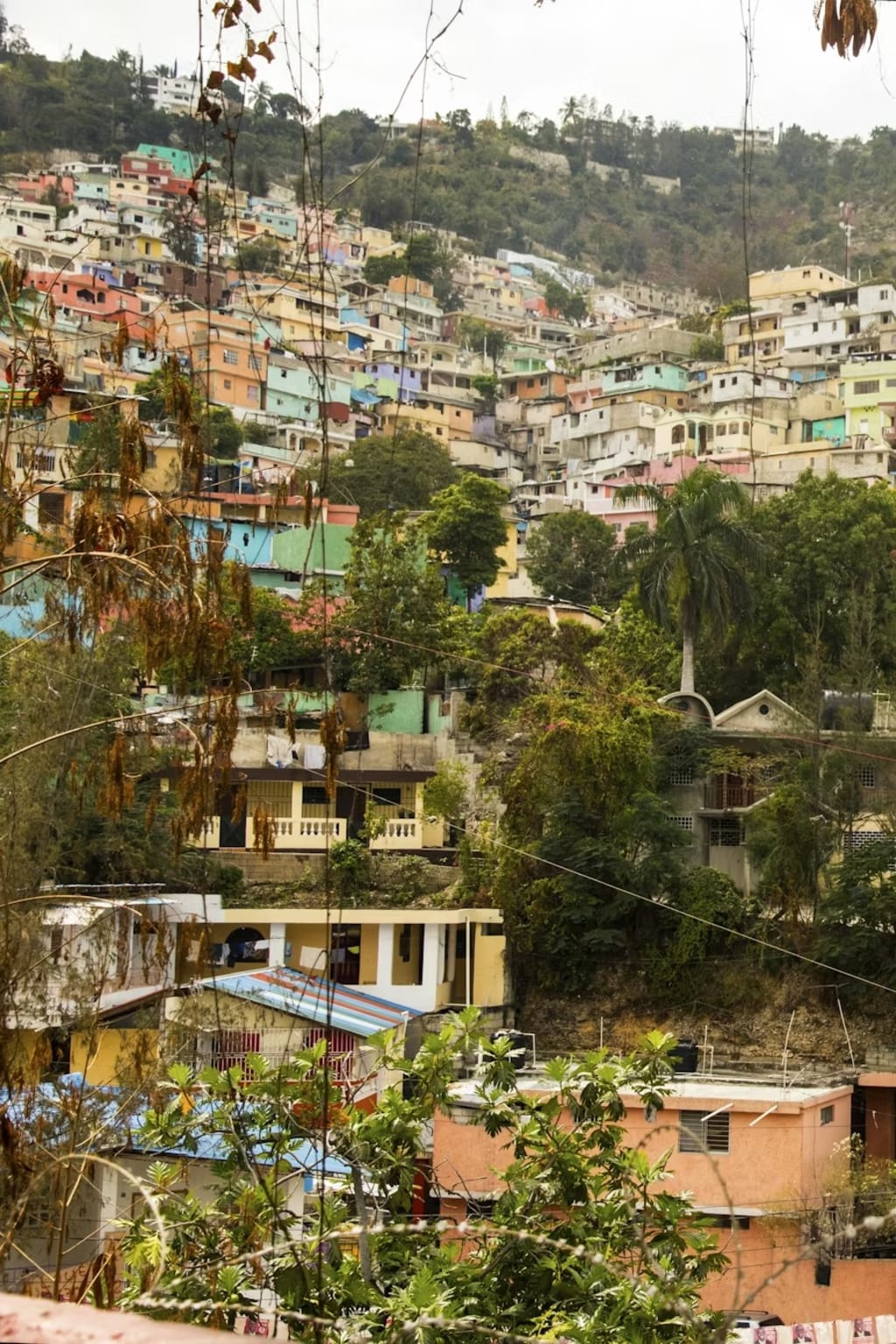
The Haitian Revolution (1791-1804,) was a successful decade -long insurrection by enslaved Africans and their decendants against French colonial rule in Saint Domingue, resulting in the creation of Haiti, the first independent Black republic.
Led by figures like Toussaint Louverture and Jean-Jacques Dessalines, the brutal yet pivotal conflict abolished slavery and in 1804, established a new nation, serving as a powerful symbol of freedom against oppression.
The revolution was driven by the extreme cruelty of the plantation slave system, the desire for abolition, and the inspiration of the French Revolution's ideals of equality. Enslaved Africans out numbered whites on the island of Saint Domingue and fought for freedom, spurred by inequality, racial discrimination and the violent suppression of uprisings.
The conflict began in 1791, sparked by a Vodou ceremony led by Duffy Boukman in Bois Caiman, followed by coordinated slave uprisings that burned plantations in the North.
Toussaint Louverture became a major military leader, navigating complex alliances with France, Spain and Britain to abolish slavery before being captured by the French troops sent by Napoleon Bonaaparte.
Outcome 1804
After declaring independence on January 1, 1804, Saint -Dominque was re-named Haiti, marking the only successful permanent slave revolt in modern history.
The revolution sent shock waves across the Atlantic world, inspiring enslaved people to seek freedom, while causing fear among slaveholders in the United States and other colonies.
Historical Study
It is often studied as the most radical of the Atlantic Revolutions, which included the American and French Revolutions.
It is cited as a defining movement in the struggle for human rights and Black Liberation.
Prominent Black Haitians are celebrated each January 1.
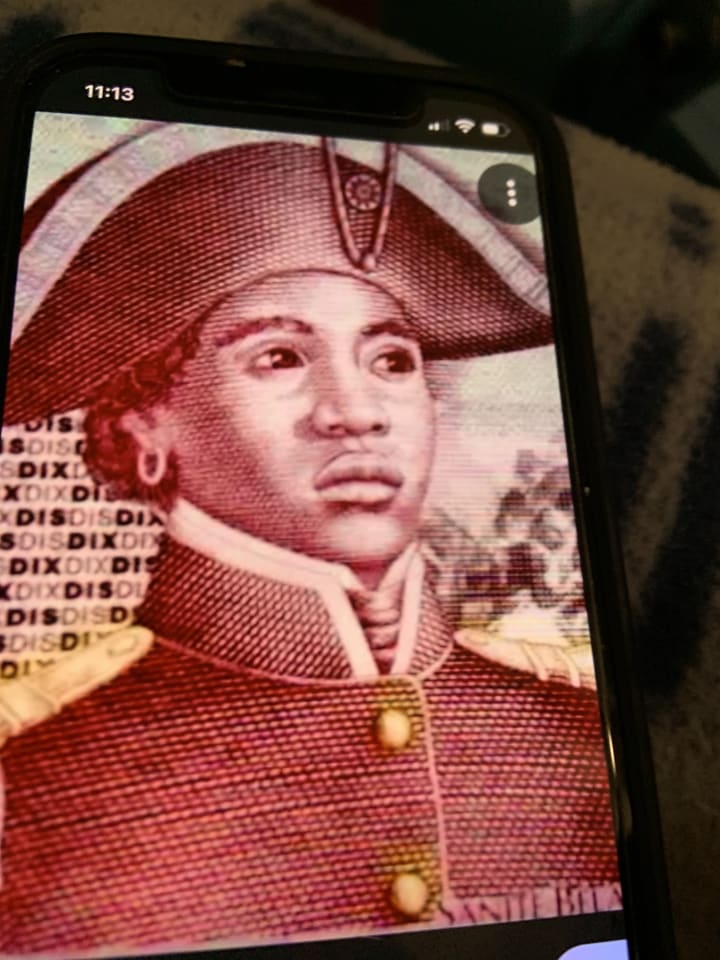
Sanite Belair
Suzanne Belair, called Sanite Belair, was a Haitian revolutionary and lieutenant in the army of Toussaint Louverture. Born an affranchi in Verettes, Haiti , she married a Brigade commander. She was a Haitian freedom fighter and revolutionary, and one of the few female soldiers who fought during the Haitian Revolution. Sanite whom Dessalines described as "a tigress," is formally recognized by the Haitian Government as a National Heroine of Haiti.
Her last words were "Long Live Freedom, Down With Slavery", and she was executed.
Marie-Jeanne Lamartiniere
Marie-Jeanne Lamarttiniere was a Haitan revolutionary soldier and nurse. Described as a malotto, she was raised on a plantation in Port-au-Prince. Marie-Jeanne received formal education before marrying Louis Sare Lamartiniere, an officer of the Army Indigene.
In 1802 she fought alongside him and his Army against French forces in the Battle of Cret-a-Pierrot.
She was described as courageous, and after a bombardment by the French, Marie-Jeanne retreated with Louis and his Army, and after his death, she had relationships with two other Army officers.
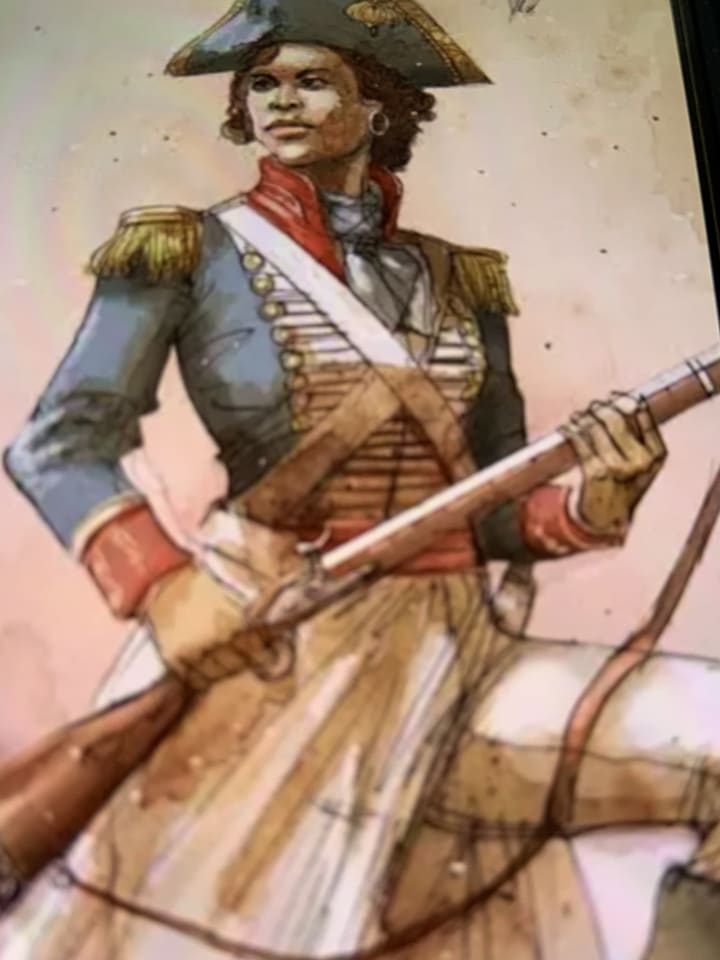
Marie-Jeanne and Louis Daure Lamartiniere appeared on a 1954 postage stamp commemorating the 150th anniversary of Haitian Independence.
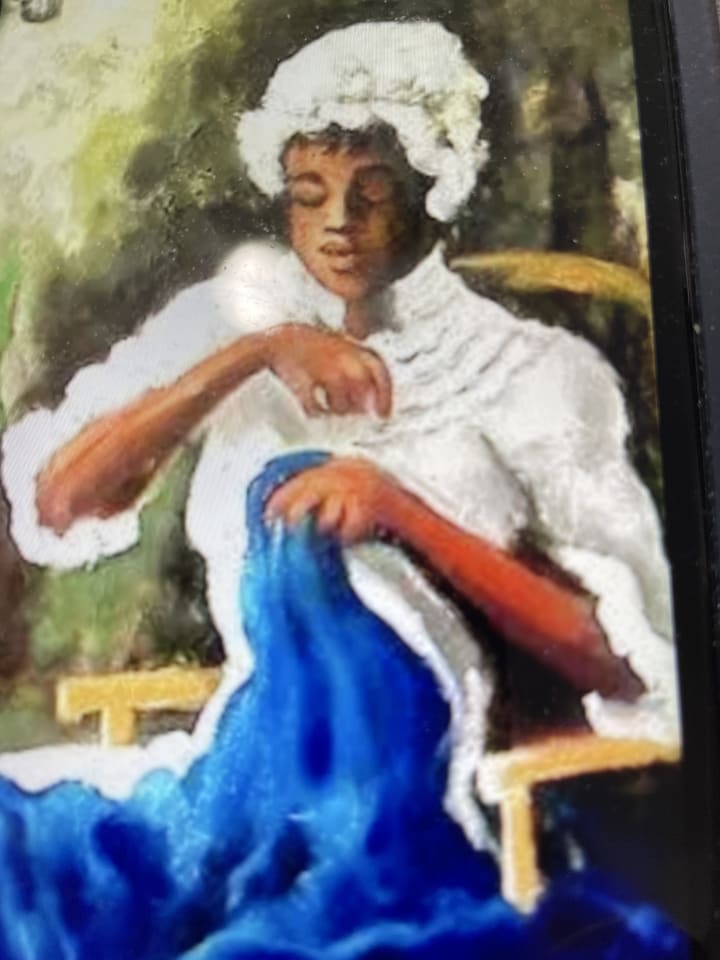
Catherine Flon
Catherine Flon was a Haitian seamstress, patriot, and national heroine. She is regarded as one of the symbols of the Haitian Revolution and independence. She is celebrated for sewing the first Haitian flag on May 18, 1803 and maintains an important place in Haitian memory of the Revolution to this day.
Her birth place of Arcahaie is today referred to as "flag town", and the date on which she is said to have made the first flag, May 18, 1803, has become a national holiday.
Besides serving as a symbol of the revolution, Flon also has become a figure of admiration among Haitian women. Flon and other Revolutionary women became the heroes of the femine movement in Haiti.
Toussaint Louverture
Toussaint Louverture was a Haitian General and the most prominent leader of the Haitian Revolution.
He was born a slave in the French colony of Saint-Dominque, known as Haiti. He was a devout Catholic and was manmuted as an ex-slave, before the French Revolution, identifying as a Creole for the greater part of his life.
During his time as an emancipated slave, he became a salaried employee, and overseer of his former masters plantation, and later became a wealthy slave owner himself, as he owned several coffee plantations
At the start of the Haitian Revolution, he was nearly 50 years old, and began his military career as a lieutenant to Georges Biassou, a leader of the preliminary 1791 slave revolt. Initially allied with the Spaniards of neighboring Santo Domingo, Louverture switched to the French when the new Republican government moved to abolish slavery.
Louverture gradually established control over the whole island, and used his political and military influence to gain dominance over his rivals.
In 1802, he was arrested and deported to France, and was jailed. He died in 1803. Although, Louverture dies before the final and most violent stage of the Haitian revolution, his achievements set the grounds for the Haitian Armies final victory.
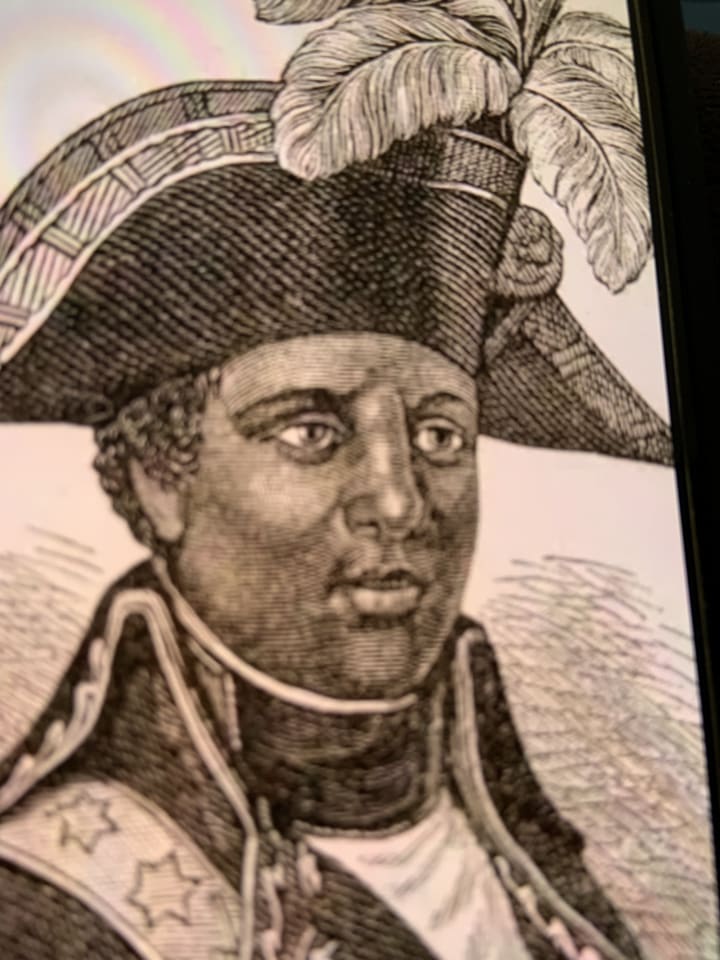
Jean -Bertrand Aristide 1993 to 1994 from 1994 to 1996
Jean-Bertrand Aristide is a Haitian former Salestian priest and politician who served as President of Haiti in 1991,and from 2001-2004. He was in exile after the 1991 military coup, and again after his overthrow in 2004 until 2011.
Key reasons for the over-throw are the military and elite opposion. His attempts to reform or disband the notoriously corrupt Haitian military, coupled with his effort to tax the wealthy elite, led to deep resentment among powerful domestic stakeholders.
Artistide, a former priest, was seen as a radical disrupting neoliberal economic policies favored by Western powers. He opposed privatising state-owned companies, sought to raise the minimum wage and demanded restitution for colonial era debt.
The 2004 coup was prompted by a mix of political unrest, armed rebellion (including former soldiers), and accusations of gangs turning against him.
The United States considered invading Haiti in the 1990's primarily to restore to democratically elected President Jean-Bertrand Artistide, after 1991 military coup, to stop massive human rights abuses by the military regime, and halt a surge of refugees fleeing the country,which cultimated in the 1994 "Operation Uphold Democracy" under then President Clinton.
I was in the United States Air Force at that time, and I got a call one day, that I had a short notice TDY (temporary duty), to the Dominican Republic. I thought that was new, I had never heard of a TDY, to the Dominican Republic. They said a plane was dowe there, and I was a machinist, and I needed to replace a bearing in a C-5, so when I saw this challenge, I knew what I had to do, for your children.
So thanks for the memories, it shows you just how small the world can be.

Following the independence from French Colonial rule, Haiti was the first independent black republic in the Americas, and the second independent nation in the Western Hemisphere, after the United States.
In 1825, after 21 years of Haiti's independence, France recognized the Haitian sovereign state, but only after forcing the new nation to agree to pay an indemnity of 150 million gold francs.
President Abraham Lincoln officially recognized Haiti in 1862, during the American Civil War. This decision marked a significant reversal of decades of US policy and was connected to the Haitian Revolution.
.
About the Creator
Gregory Payton
I am retired Air Force. I like to write poetry, and about the economy, and about current event. I have lost a lot in my life and I also write about processing grief.
I hope you find my work interesting.
Keep reading
More stories from Gregory Payton and writers in Humans and other communities.
The Lucky One
At age 17, I knew what the word 'pedophile' meant. I considered myself book smart, mature for my age; I thought I knew how the world worked because I devoured information like it was needed fuel for my over active imagination and unlimited empathy. After graduating with high grades as a well liked but awkward teen, mainly unseen by those not in my close circle of family and friends, I was thirsty for knowledge and in need of a new era. When I actually got involved with a pedophile during my first year in university, though, the thought never really occurred that this man was pursuing me, not as a suitor but as a predator stalking their next meal. Dan was 42.
By Alycen Sparrow4 days ago in Humans


Comments (1)
Oh wow, I've never heard of any of them. Reading this was a fascinating learning experience for me!