
👹 Ghosts vs. Yokai: Why Japanese Spirits Are Scarier Than You Think
What haunts people in Japan isn’t just ghosts—it’s something deeper, stranger, and far older. Let’s step into the world of yokai and see how these Japanese supernatural beings differ from the ghosts you might be used to in the West.
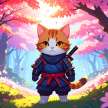
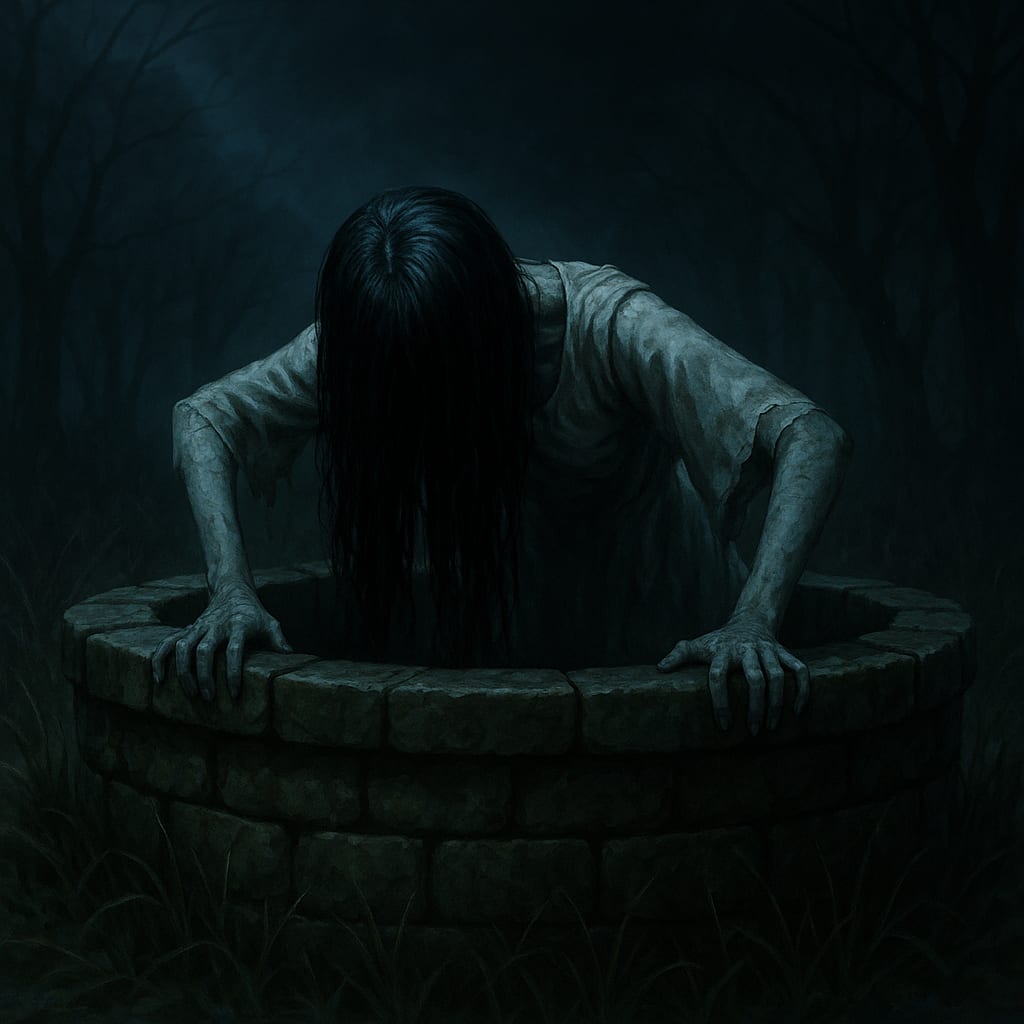
👻 Western Ghosts: Sad Souls Seeking Closure
👻 Western Ghosts: Restless Souls with a Story
In Western culture, ghosts are usually:
• The souls of people who died in trauma
• Trapped between the world of the living and the dead
• Seeking closure—through revenge, forgiveness, or peace
They haunt places or people because of some unfinished business.
Movies like The Sixth Sense, The Others, or The Conjuring all build on this idea. These ghosts are often tragic figures, victims of murder or betrayal.
👥 They’re scary, yes—but their motives are usually understandable.
⸻
👺 Japanese Yokai: Spirits Born from Nature, Emotion, and Folklore
Yokai (妖怪) are not just ghosts. The word loosely means “mysterious phenomena” or “strange apparitions,” and they include:
• Ghosts (Yurei), but also…
• Monster cats (Bakeneko)
• Faceless spirits (Noppera-bo)
• Long-necked women (Rokurokubi)
• Umbrellas with one eye and a tongue (Kasa-obake)
They can be scary, funny, mischievous, wise, or just plain weird.
Unlike Western ghosts, yokai aren’t always human in origin.
Some are animals, spirits of tools, or even personifications of emotions like jealousy, sorrow, or gluttony.
🧠 Key Differences Between Western Ghosts and Japanese Yokai
1. Origin
• Western Ghosts: Human souls
• Japanese Yokai: Humans, animals, objects, emotions, or myths
2. Goal
• Western Ghosts: Closure, revenge, peace
• Japanese Yokai: Often unclear, random, or symbolic
3. Appearance
• Western Ghosts: Transparent humans
• Japanese Yokai: Surreal, exaggerated, or symbolic
4. Morality
• Western Ghosts: Often tragic or evil
• Japanese Yokai: Neutral, chaotic, or moralistic
5. Cultural Role
• Western Ghosts: Fear and entertainment
• Japanese Yokai: Myth, teaching, nature, and everyday life
🧍♀️ Examples: Meet the Yokai
👘 Yurei – The Classic Ghost
A ghost who died with deep sorrow or anger. Dressed in a white funeral kimono with long, black hair (like Sadako from The Ring), she is terrifying but mournful.
🧠 Rokurokubi – The Woman with the Stretching Neck
A woman who looks normal—until her neck stretches like a serpent at night. Sometimes a metaphor for hidden secrets or repressed desires.
🦶 Noppera-bo – The Faceless Ghost
They look like ordinary people, until you realize they have no face at all. Their silence is more disturbing than any scream.
🌧️ Ame-onna – The Rain Woman
A spirit who appears during rain, often bringing bad luck or sadness. Her presence is quiet, her intentions unclear.
🐱 Bakeneko – The Monster Cat
A cat that lived too long, developed supernatural powers, and can shapeshift, control the dead, or impersonate humans.
⸻
🎌 Why Are Yokai So Different?
1. Shinto and Animism
Japan’s spiritual roots (Shinto) believe that everything has a spirit—not just humans, but rocks, rivers, tools, and even emotions.
Thus, the supernatural isn’t “outside” the natural world. It’s part of it.
⸻
2. Moral Lessons in Folklore
Yokai often represent warnings:
• Be polite, or the Teke Teke will slice you in half.
• Don’t waste food, or Kama-itachi may visit.
• Respect your elders, or a Yurei might follow you.
They’re stories to guide behavior, not just to scare.
⸻
3. Part of Daily Culture
Yokai are everywhere in Japan:
• Children’s books and anime (GeGeGe no Kitaro, Yokai Watch)
• Mascots for towns or temples
• Seasonal festivals and summer ghost stories (kaidan)
Western ghosts are often limited to horror films or Halloween.
But yokai are woven into Japanese life, from childhood to adulthood.
⸻
😈 Not All Yokai Are Evil
Some are tricksters, some are protectors, and some just… exist.
Like the Kappa, who loves cucumbers and wrestling. Or the Zashiki-warashi, a childlike spirit that brings fortune—if treated kindly.
Western spirits tend to fall into good/evil categories.
Yokai are more ambiguous, more symbolic, and often more unpredictable.
⸻
💡 Final Thought: Fear, Culture, and the Unknown
Fear isn’t just about being scared. It’s also about what we believe.
Western ghosts reflect a fear of death, guilt, and loss.
Japanese yokai reflect a fear of nature, emotion, and the unseen forces that shape our lives.
So next time something rustles in the dark…
Maybe it’s not just a ghost.
Maybe it’s a yokai—older than you, stranger than you, and watching you from the shadows.
⸻
✍️ Liked this article? Let me know your favorite yokai—or share spooky legends from your culture in the comments!
🖼️ Want a custom cover image for your own yokai-themed story? I can generate one for you—just ask!
About the Creator
Takashi Nagaya
I want everyone to know about Japanese culture, history, food, anime, manga, etc.
Keep reading
More stories from Takashi Nagaya and writers in Horror and other communities.
“I Found a Hidden Camera in My Room… What It Recorded Was Worse Than I Thought”
I didn’t notice the camera at first. That’s the part that still haunts me the most—how easily it blended into my life, how naturally I accepted everything around me as safe. My apartment was small, a one-bedroom on the third floor of an aging building. Nothing fancy, but it was mine. I had lived there for almost a year, long enough to feel comfortable leaving dishes in the sink overnight and walking barefoot without thinking twice.
By Maavia tahirabout 11 hours ago in Horror


Comments
There are no comments for this story
Be the first to respond and start the conversation.