
The Strait of Hormuz: A Growing Global Crisis in Today’s World
Big problem

Introduction
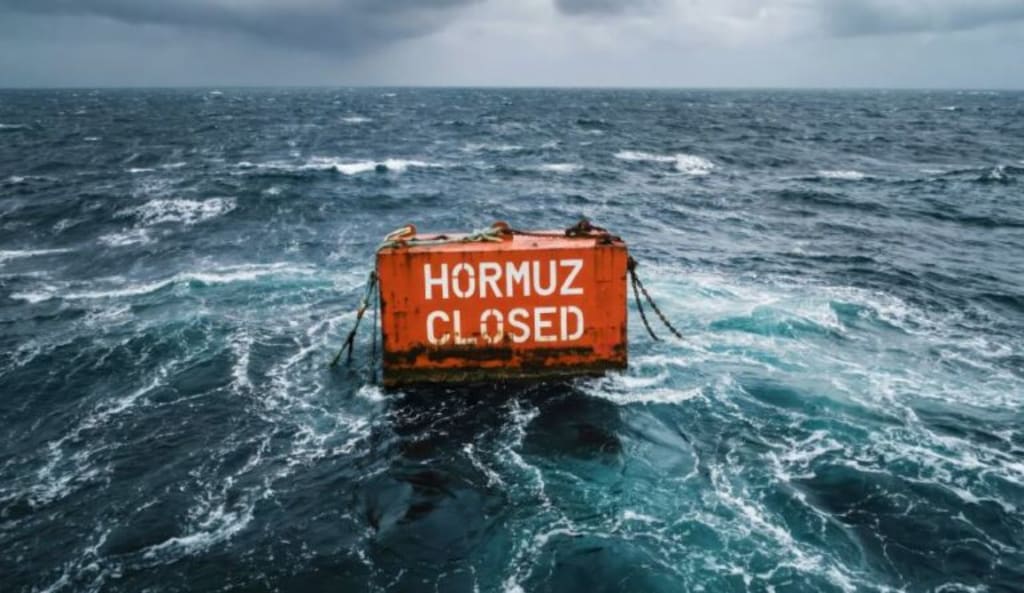
The Strait of Hormuz has become one of the most sensitive geopolitical hotspots in the modern world. This narrow stretch of water connects the oil-rich Persian Gulf to the open ocean, making it a vital artery for global energy supplies. In recent years, rising tensions, military confrontations, and political rivalries have transformed this crucial passage into a growing global crisis.
Strategic Importance of the Strait
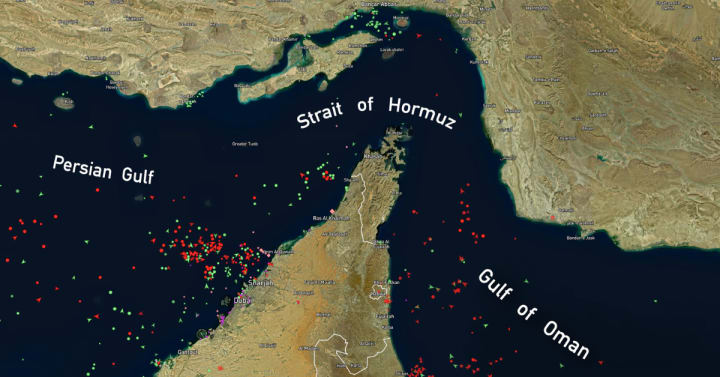
The Strait of Hormuz lies between Iran and Oman, with the United Arab Emirates nearby. At its narrowest point, the strait is only about 33 kilometers wide, yet it carries nearly a fifth of the world’s oil supply. Tankers transporting crude oil and liquefied natural gas must pass through this corridor, making it indispensable for countries across Asia, Europe, and beyond.
Any disruption in this region can instantly affect global oil prices, trade stability, and economic growth. Nations like China, India, and Japan heavily rely on energy shipments that pass through this route.
Rising Geopolitical Tensions
The strait has long been a flashpoint for conflict, particularly involving Iran and the United States. Disputes over sanctions, nuclear programs, and regional influence have escalated tensions over the years. Iran has repeatedly warned that it could block the strait if its economic interests are threatened, while the United States maintains a strong naval presence to ensure freedom of navigation.
Incidents such as tanker seizures, drone attacks, and naval confrontations have raised fears of a larger conflict. These tensions are not limited to two nations; they involve a complex network of alliances and rivalries across the Middle East.
Economic Consequences
The global economy is deeply tied to the stability of the Strait of Hormuz. Even minor disruptions can lead to sharp increases in oil prices, which in turn affect transportation, manufacturing, and everyday consumer goods.
For developing countries, especially those dependent on imported fuel, such price shocks can be devastating. Inflation rises, currencies weaken, and economic growth slows. The ripple effects are felt worldwide, highlighting how a regional conflict can quickly become a global economic crisis.
Military Presence and Risks
The heavy military presence in and around the strait increases the risk of accidental or intentional conflict. Naval fleets from multiple countries patrol the area, creating a tense and crowded environment.
A single miscalculation—such as a misunderstood maneuver or a technical error—could escalate into a larger confrontation. This constant state of alert not only threatens regional stability but also raises concerns about the safety of international shipping.
Environmental Concerns
Beyond politics and economics, the Strait of Hormuz also faces environmental risks. Oil spills, whether caused by accidents or conflict, could have catastrophic effects on marine ecosystems. The surrounding waters are home to diverse marine life, and any major environmental disaster would have long-lasting consequences.
In addition, increased shipping traffic contributes to pollution and ecological strain, further complicating the situation.
Global Response and Diplomatic Efforts
The international community has recognized the importance of maintaining stability in the strait. Organizations like the United Nations have called for dialogue and peaceful resolution of disputes.
Several countries have also formed coalitions to protect shipping routes and ensure safe passage for commercial vessels. Diplomatic efforts continue, but progress is often slow due to deep-rooted political differences.
The Role of Energy Transition
Interestingly, the global shift toward renewable energy could gradually reduce dependence on the Strait of Hormuz. As countries invest in solar, wind, and other sustainable energy sources, the strategic importance of oil routes may decline over time.
However, this transition is still in its early stages, and the world remains heavily reliant on fossil fuels. For the foreseeable future, the strait will continue to play a critical role in global energy security.
Conclusion
The Strait of Hormuz stands at the crossroads of global trade, energy security, and geopolitical tension. Its importance cannot be overstated, yet its vulnerability makes it a constant source of concern.
As conflicts persist and stakes remain high, the need for diplomatic solutions becomes increasingly urgent. Without cooperation and restraint, this narrow waterway could become the center of a much larger global crisis—one that affects not just the Middle East, but the entire world.
About the Creator
Sk
"I am a passionate writer, crafting books and articles on Vocal Media, exploring human experiences, stories, and creative reflections."
Days of Our Lives explains rotating characters amid rumors about Galen Gerrig and Elia Cantu.
Why do popular Salem residents go MIA? Days of Our Lives viewers may have noticed that some characters, like Melinda Trask ( Tina Huang), JJ Devereaux (Casey Moss), Shawn Brady (Brandon Beemer), and Phillip Kiriakis (John Paul Lavoisier), disappear from the screen for long periods before showing up again.
By Cheryl E Prestonabout 8 hours ago in Geeks
Watching The End Of The World From The Diner
Introduction I am not sure how to approach this. Guy Peellaert was an amazing artist who created iconic fantasy images of famous people, usually musicians or politicians, as well as creating commissioned album covers such as "It's Only Rock'n'Roll" by The Rolling Stones and David Bowie's "Diamond Dogs" which you can read more about below.
By Mike Singleton 💜 Mikeydred 4 days ago in Art


Comments
There are no comments for this story
Be the first to respond and start the conversation.