
Kidco (1984) vs. the Real Story: The Dark Truth Behind Hollywood’s Cutest Corporate Myth
The 1984 film Kidco tells a feel-good story of kids beating the system—but the real Cessna kids story involves tax havens, secret pesticides, bankruptcy, and foreclosure. Here’s what Hollywood left out.

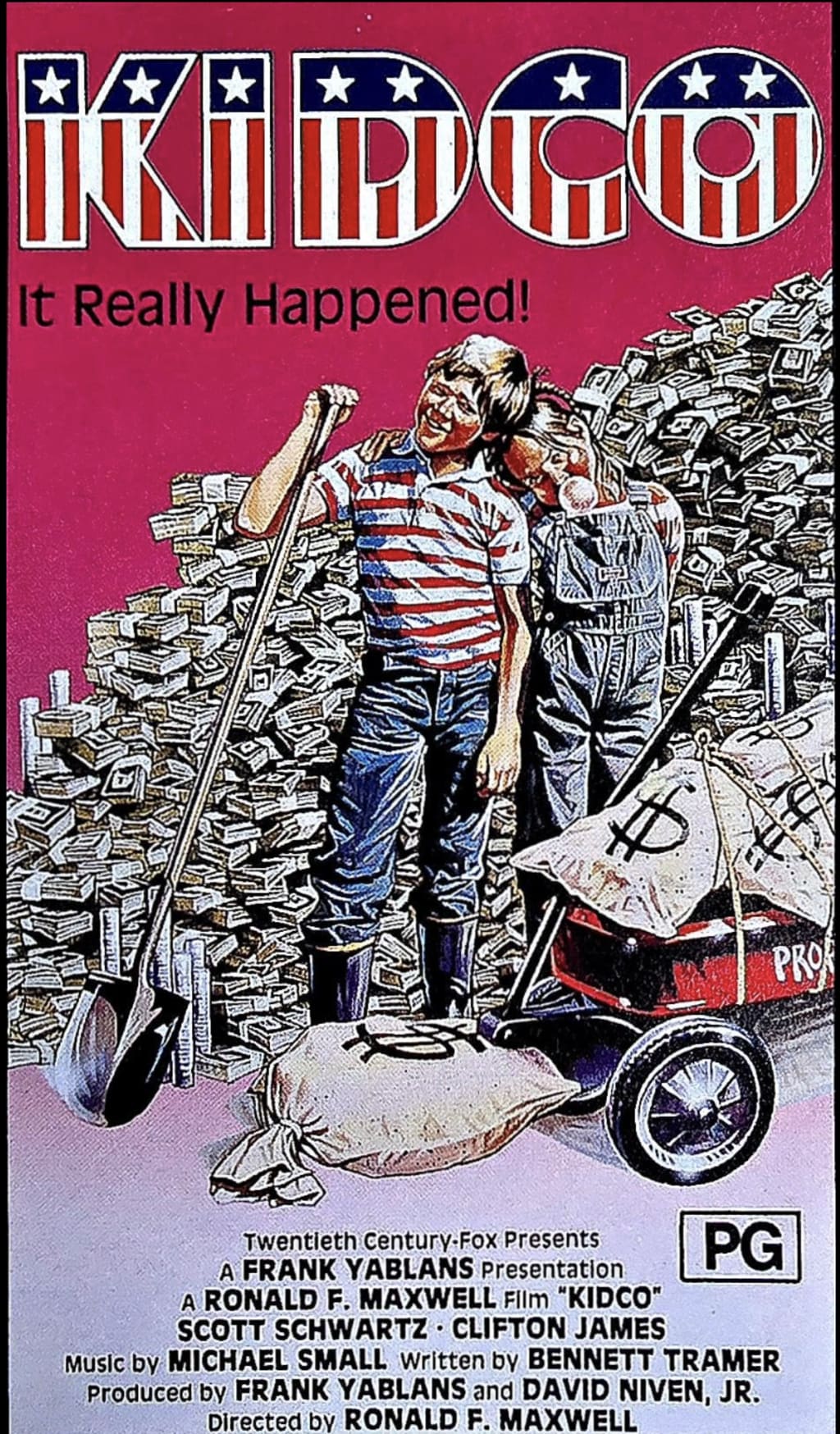
Kidco (1984): The Lie That Feels Good
The 1984 film Kidco, directed by Ronald F. Maxwell and starring Scott Schwartz as Dickie, is pure inspirational fluff.
It’s designed to be.
Four plucky kids build a fertilizer empire out of horse manure, outsmart a greedy adult rival, and defeat overreaching tax authorities in a triumphant courtroom finale. It’s a fantasy built for applause—a story where childhood ingenuity beats a broken system.
But the truth behind Kidco isn’t a fairy tale.
It’s a story about tax shelters, legal gray areas, adult manipulation, and a business that ultimately collapsed under the weight of its own contradictions.
Hollywood didn’t just clean it up.
It erased it.
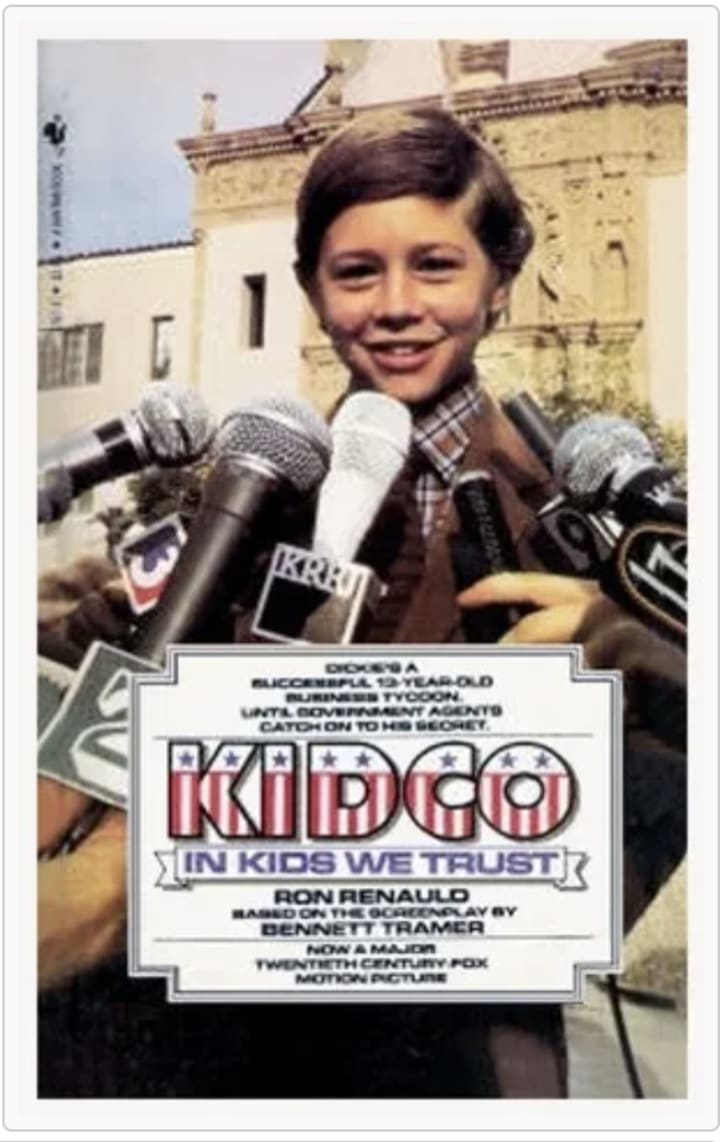
1. The Cayman Islands Tax Haven Hollywood Ignored
Movie:
The kids start a simple family business. No tricks. No lawyers. No loopholes.
Reality:
Kidco was originally incorporated in the Cayman Islands—a known tax haven—specifically to avoid paying federal and state income taxes.
Let that sink in.
Children didn’t set that up. Adults did.
The company later re-incorporated in California, gaining attention as a corporation “run by children,” but the foundation of the entire operation was built on an offshore tax strategy.
Why it matters:
The movie’s central conflict—kids vs. unfair taxation—only exists because of a tax-avoidance scheme the film refuses to acknowledge.
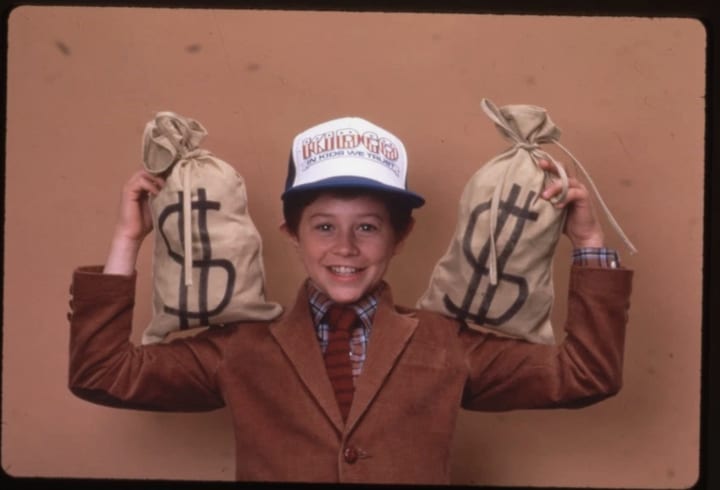
2. The Secret Pesticide War That Didn’t Make the Script
Movie:
A throwaway mention of gophers. Nothing more.
Reality:
The kids sold a product called Gopher-Gone—a homemade pesticide mixture they refused to disclose to regulators.
California’s Department of Food and Agriculture demanded licensing and ingredient transparency.
The response?
An emphatic no.
The state pushed back, sending forms the children legally couldn’t complete and considering legal action. The situation escalated to the point where the kids appealed directly to Governor Edmund G. Brown Jr.
Significance:
This wasn’t a cute side hustle.
It was minors—guided by adults—refusing to reveal the contents of a poison they were selling to the public.
That’s not charming.
That’s a regulatory nightmare.
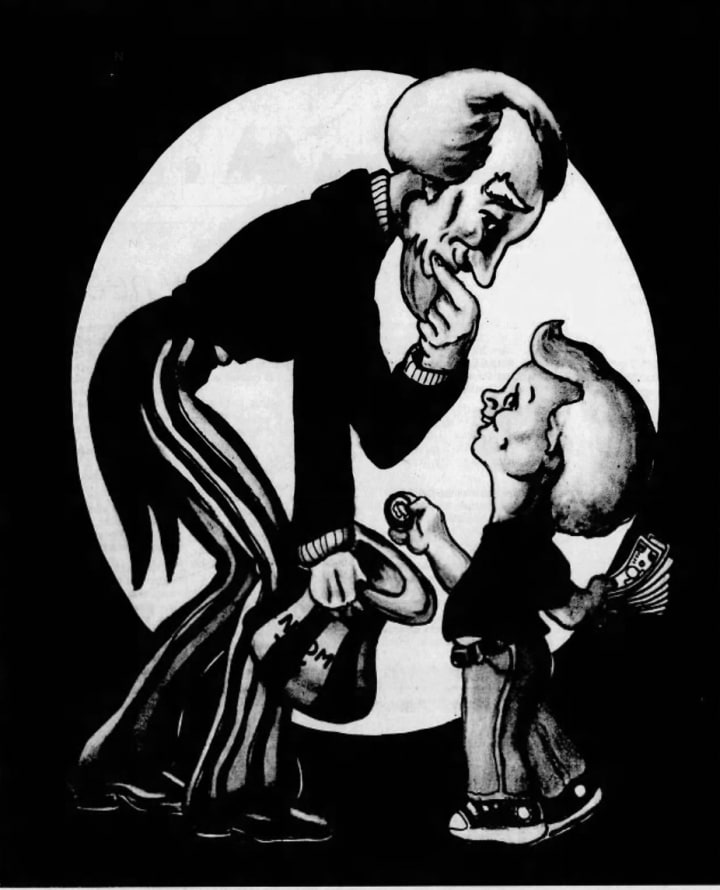
3. The Father, Bankruptcy, and the Corporate Shell Game
Movie:
A supportive, stable father figure. Honest work. Clean living.
Reality:
Richard Cessna Sr.—the father and de facto operator behind the scenes—filed for personal bankruptcy while Kidco was acquiring property and expanding.
Creditors weren’t convinced this was a coincidence.
They alleged the company was being used to shield assets, calling the structure “skillfully conceived” and describing finances tangled in corporate shells and “funny business.”
Meanwhile, the family lived in a Kidco-owned home and drove a company-leased Cadillac.
What the movie hides:
The “kids’ business” may have functioned as a financial buffer for an adult drowning in debt.
That’s not inspirational.
That’s strategic.
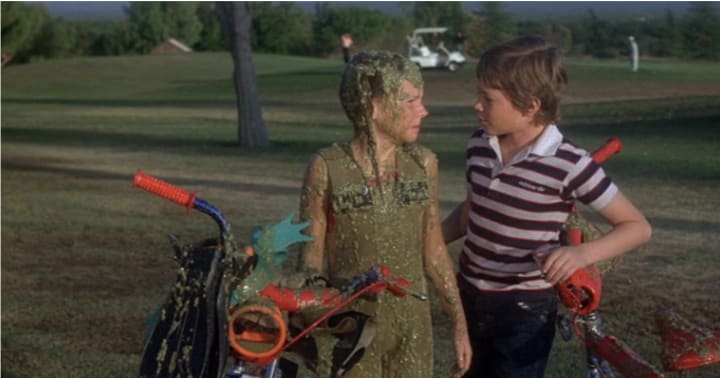
4. The Gorda ‘Tax Shelter’ That Collapsed
Movie:
Expansion equals victory. The kids win. Roll credits.
Reality:
Kidco purchased the town of Gorda as a tax shelter—a move bold enough to make headlines.
Within weeks, they missed payments.
The sellers sued. Kidco countersued. The entire deal unraveled.
By 1983, the property was foreclosed and repossessed.\
Employee paychecks bounced—even as the business reportedly grossed thousands.
Then came the final blow: a landslide cut off access to the area entirely.
Hollywood’s version:
A triumph.
Reality:
A failed investment buried under lawsuits, debt, and bad timing.
5. The Fake Villain and the Fake Victory
Movie:
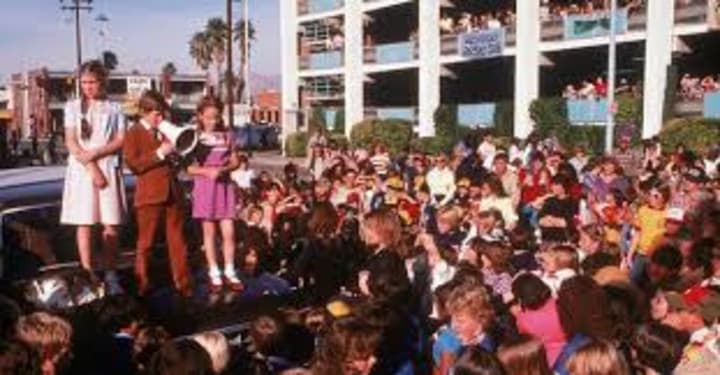
A greedy fertilizer tycoon manipulates the system to crush the kids. The courtroom showdown delivers justice.
Reality:
There was no villain like that.
The real conflicts were with government agencies:
• The Board of Equalization (sales tax issues)
• The Department of Food & Agriculture (pesticide regulation)
The “big win” wasn’t a dramatic courtroom triumph—it was a relatively mundane administrative outcome, helped along by media attention.
The truth:
The story didn’t need a villain.
Reality was complicated enough.
The Real Story Is Better—and Hollywood Knew It
Kidco isn’t just “based on a true story.”
It’s a complete rewrite.
Gone are:
• Offshore tax strategies
• A secret pesticide standoff
• Bankruptcy and creditor accusations
• Corporate shell games
• A failed town purchase ending in foreclosure
What remains is a simplified moral fable: kids good, government bad.
But the real story?
It’s messier. Sharper. More revealing.
It’s about how ambition, loopholes, and adult influence shaped a narrative that Hollywood couldn’t—or wouldn’t—tell.
And in sanding down every uncomfortable edge, Kidco didn’t just make the story easier to sell.
It made it far less interesting.

If you enjoyed this story check out some of our past articles:
When the Soundtrack Outlived the Movie: Rick Springfield Hard to Hold
Unstreamable 80s Classics: Classic 80s Movies Lost in Digital Limbo
About the Creator
Movies of the 80s
We love the 1980s. Everything on this page is all about movies of the 1980s. Starting in 1980 and working our way the decade, we are preserving the stories and movies of the greatest decade, the 80s. https://www.youtube.com/@Moviesofthe80s
Keep reading
More stories from Movies of the 80s and writers in Geeks and other communities.
The Source Code of Animanga: Ranking the Top 10 Anime Arcs by Narrative Architecture
In the world of software engineering, we talk about "clean code," "scalability," and "system architecture." But as a student of AI and development, I’ve realized that the greatest mangakas are essentially master architects. They don't just draw; they build massive, interlocking systems of lore and logic that have to run without "crashing" for decades.
By Abhijeet Singh6 days ago in Geeks
Why Wiked: For Good is Undeservingly the ‘worse movie’
So… off the bat, we’re about to delve into something ridiculous. Just so we’re clear on that, ok? The first thing anyone that knows a thing about these dual movies… knows… is the original movie and sequel were shot together.
By Gabriel Shames3 days ago in Humans



Comments
There are no comments for this story
Be the first to respond and start the conversation.