
Book Review: "Queen Victoria" by Lucy Worsley (Pt. 5)
Chapter 18 to 21

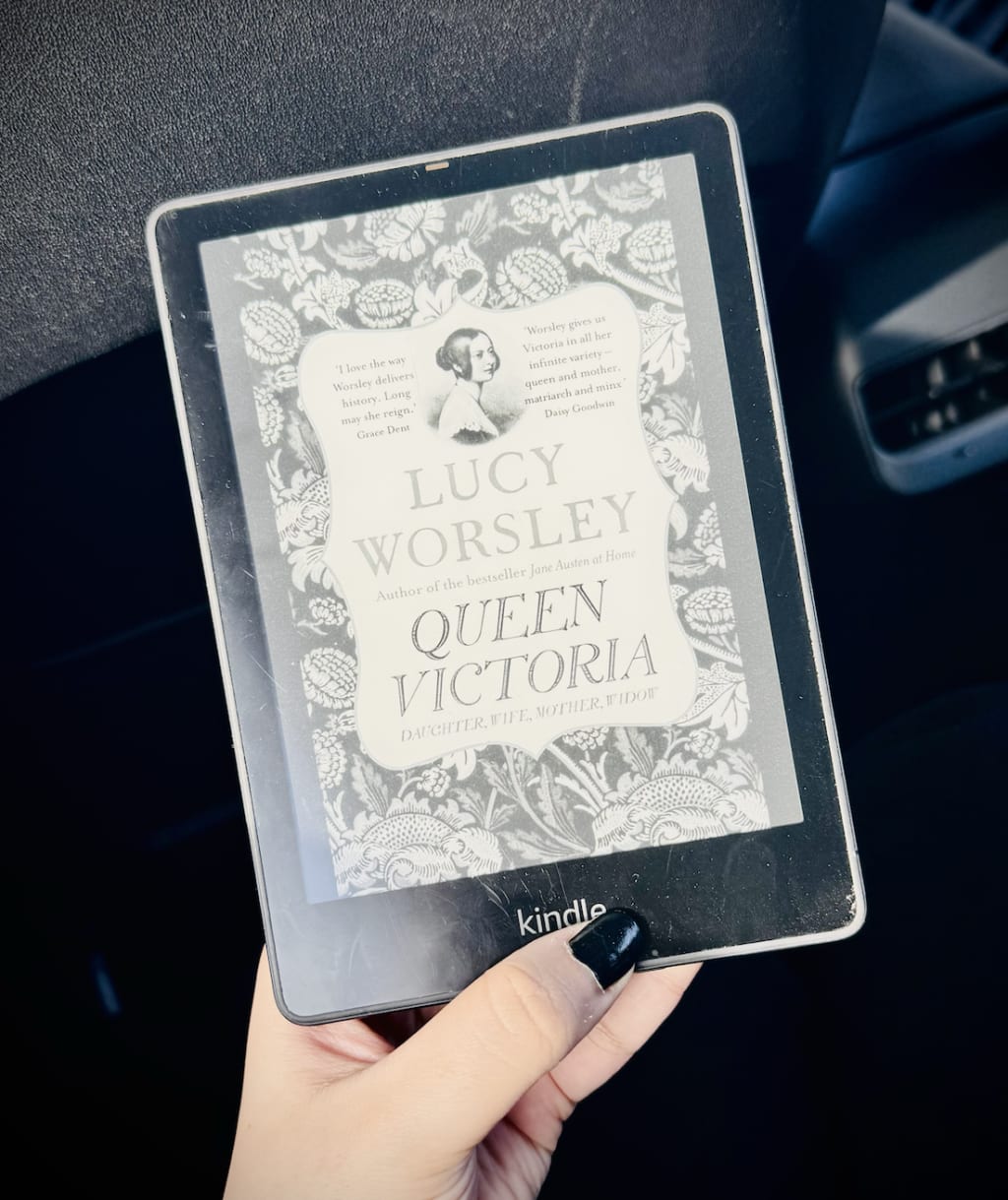
We have covered up to the death of Prince Albert, but now the heir apparent is in poor health with the start of this new section. He's a married man now but Lucy Worsley makes it clear that the sight of his relatives was so horrible to him that they would sit behind a screen when they came to visit. She had not only not finished grieving for her husband, but the grief was getting considerably worse as Victoria began to "waste away". She was not nearly the woman she once was and was very clearly in a deep sense of mourning. Everything seemed unfinished, and now her son was ill as well and pretty much at death's door. Let's put it this way: this chapter begins ten years after Albert has died. That's right, she's been like this for ten years - slowly wasting away and not really living at all. She was truly lost.
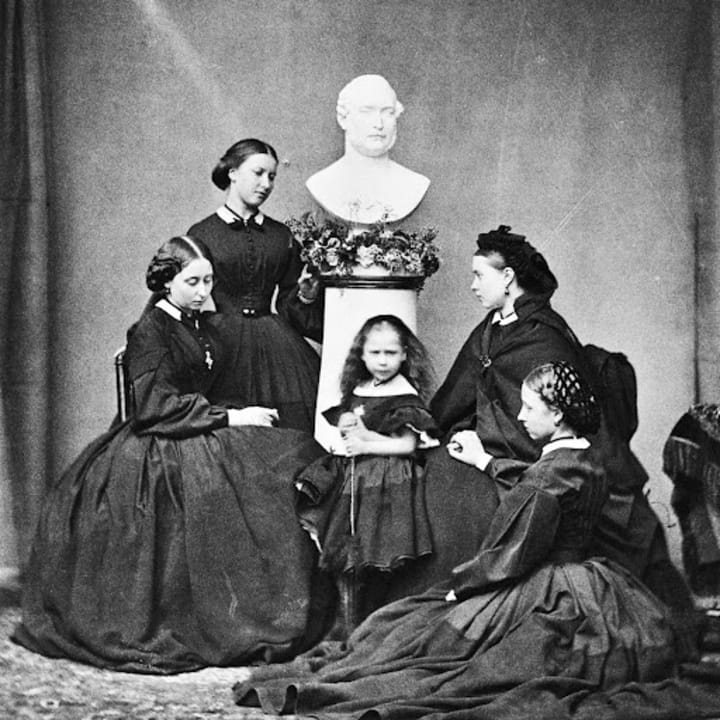
Lucy Worsley takes us behind the scenes to why the Victorians saw mourning as a whole trend - that's because it was. The Victorians were giving into the consumerist culture of their day by having a new outfit for every situation in their lives - including death and mourning. It was also, according to the book, a way of communicating to others that you were grieving. Wearing all black outfits may have also contributed to the darkening atmosphere felt around the Victorians, one that may have pushed forward certain mediums of culture. I don't know whether that is true, but my best connection would be that because of their respect and fascination with the dead, we began towards trends like gothic horror - especially body horror towards the latter part of the era. When the Victorians did death, they did it properly with seances and boutiques, great states of mourning and terrifying photographs of the dead dressed in their Sunday best.
It was 1871 when people around Bertie were getting sick and dying whilst he too, was sick. Worsley describes this as a scary time. Even though Victoria had more children, this was the heir to the throne no matter how much he disappointed his parents. Even Bertie's wife, Alix, became sick in some instances, possibly due to the bad air around the lake. When Bertie recovered, it was like a new maturity had unleashed in him and as Lucy Worsley explains, it seemed to make his mother a little bit more contented. Though she still wasn't happy.
It's getting harder for me to feel sorry for Victoria to be honest, I'm not a big fan of the way she treats her son who is basically the same kind of prisoner Victoria herself was at a young age. I understand she probably thinks it is his duty to be like this, but she seems to not accept that he has grown up in a different age where there are more social conventions in the hands to be broken. God knows Bertie broke a lot of them.
I will spare you details that were pretty well-known and somewhat boring about the former Prime Minister Benajmin Disraeli. He had one thing in common with the Queen by the time they had lunch together in 1877 and that was that they had both lost the greatest loves of their life. Lucy Worsley describes this as especially important because both of them as well, had retreated somewhat into themselves because of this, often understanding each other on this very basis though - Disraeli was probably better politically. Europe was on the brink of war and Queen Victoria wanted England at the forefront, of course, as the winners. This really does show the reader that though Victoria seemingly retreated from public life after the death of her husband, she very much remained active when she had to. There was still fight in her yet and even though she had less power than the monarchs of the past, she was not going to let that get in the way of her getting what she wanted.
The book moves on to the mid-1880s and Queen Victoria is still described in her Miss Havisham state of mourning, her bridal dress kept the way it was, her boudoir kept the same since Albert's illness and her life seemingly coming to a slight pause since that dark day in 1861. But this chapter is about John Brown - the only servant that could treat the queen like a normal human being and get away with it. The queen absolutely adored him and Lucy Worsley writes that their secret relationship was well known amongst the people who would know.
John Brown's family started to gain position and we all know that means it is serious business. But then, after battles with his own demons, John Brown went and died leaving the queen devastated once again and once again, retreating away. Lucy Worsley writes Victoria's life as a series of horrifying and traumatising events, events that the queen simply had to live through as if there was very little wrong with her emotional state. Honestly, it's quite upsetting.
But there is an even more upsetting story than this in the life of Queen Victoria and this again, is where I lose a bit more of my sympathy for her. In the chapter Baby Gets Married, Beatrice weds Prince Henry against her mother's wishes. It is clear that Victoria wants to keep Beatrice close and doesn't want her escaping into the world of marriage too easily. Beatrice had become a close confidante of her mother often as a secretary for her, constantly writing letters and living a life of pure boredom. However, after ten years of marriage Prince Henry, keen to be back at the forefront of wars is in Africa when he catches malaria and dies. Beatrice is moved back to her mother. She has not escaped that life at all. I genuinely feel really sorry her her and Lucy Worsley writes her as a tragic figure filled with despair, wanting to get out but being a victim of chance.
We're not quite done yet, we're only moving towards 1897. I'm quite surprised that this book has very little to do with the advancements of the Victorian era itself but is a series of days in the life of Queen Victoria which would change the course of her life and the lives of her closest and dearest. It's an interesting book yes, but let's see what else Lucy Worsley has to tell us about the lengthy reign of this most intimidating little queen.
About the Creator
Annie Kapur
I am:
🙋🏽♀️ Annie
📚 Avid Reader
📝 Reviewer and Commentator
🎓 Post-Grad Millennial (M.A)
***
I have:
📖 300K+ reads on Vocal
🫶🏼 Love for reading & research
🦋/X @AnnieWithBooks
***
🏡 UK
Keep reading
More stories from Annie Kapur and writers in Geeks and other communities.
Book Review: "Queen Victoria" by Lucy Worsley (Pt. 4)
It is clear we are getting deep-dives into several important days in the royal calendar as opposed to a blanket biography of a monarch. Lucy Worsley paints an impressive picture of the royal household at different times, leading us into different rooms and showcasing the different dynamics that came with what happened in them. For instance, in Chapter 13, we are flashed forwards almost a decade from the birth of Princess Vicky, the Princess Royal and we are now at her tenth Christmas.
By Annie Kapur2 days ago in Geeks
The Road by Cormac McCarthy:
"If he is not the word of God, God never spoke." It's a line spoken by The Man, unnamed, early on in the 2007 Pulitzer Prize winning novel, "The Road" by Cormac McCarthy. It's this line, elegiac and moving, infused with despair and hope, that informs you, you're not reading something you'll easily forget.
By Adam Diehl4 days ago in Critique



Comments
There are no comments for this story
Be the first to respond and start the conversation.