
Building Cosmic Summon: A Solo Developer's Journey into Gacha Tower Defense
How a solo indie developer built a gacha merge tower defense game from scratch
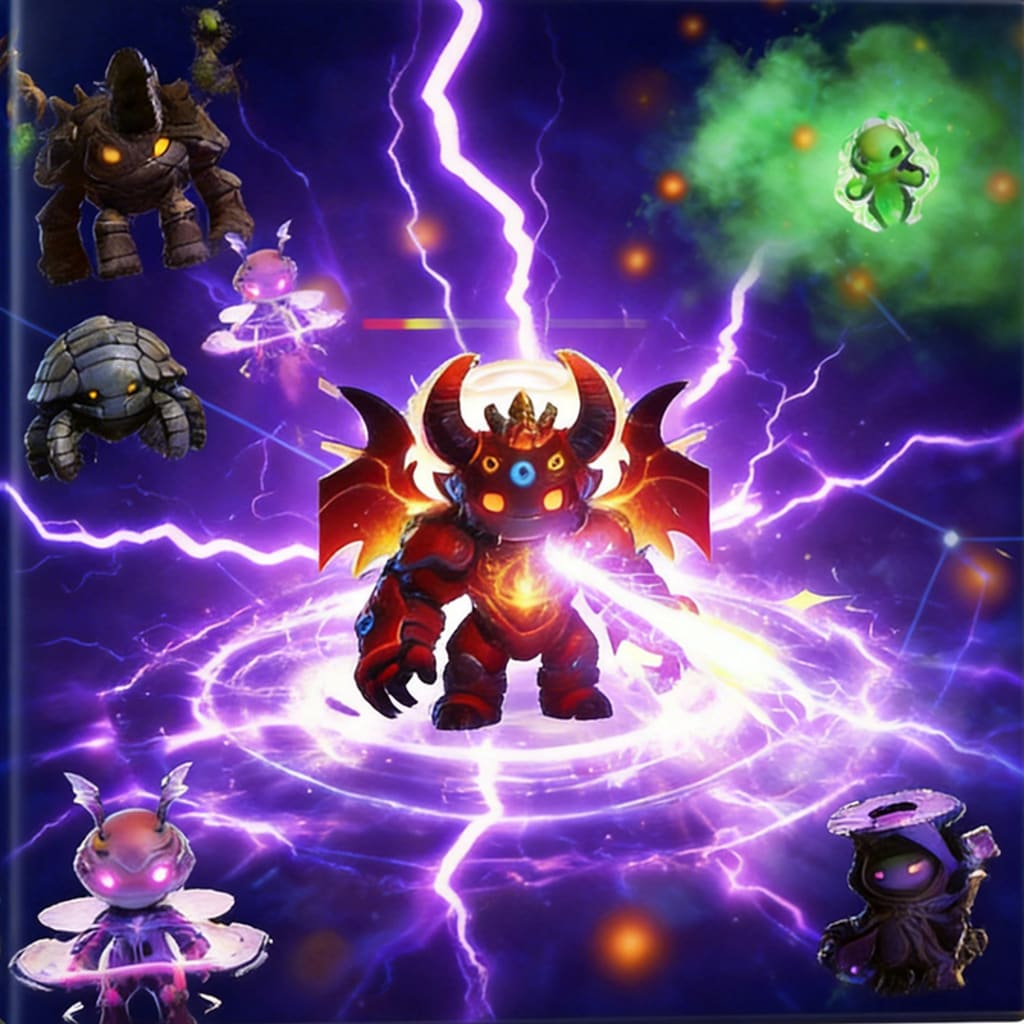
The idea for Cosmic Summon started with a question I kept asking myself: what if tower defense wasn't just about placing units, but about collecting and evolving them?
Most tower defense games follow a familiar loop. You earn currency, you upgrade towers, you survive waves. It works. But the decision space feels limited once you've optimized your build. I wanted something that stayed interesting past the first ten waves — a game where every run felt different because your roster was different.
That question eventually became the core of Cosmic Summon: a gacha merge tower defense where you summon heroes, place them on the battlefield, and combine duplicates to evolve them through seven rarity tiers.
The Merge Mechanic Changes Everything
The decision to build around merging wasn't obvious at first. I experimented with traditional upgrade paths, skill trees, and passive ability stacks before landing on merge as the central mechanic.
What made merge work was the board management layer it introduced. Suddenly, placement wasn't just about range and targeting. It was about keeping space for duplicates, timing your merges, and deciding whether to push for a higher rarity now or hold units back for an incoming boss wave.
The presence of a single high-rarity unit reshapes your entire strategy. A Genesis-rank hero doesn't just deal more damage — it frees up board space, changes your targeting priorities, and affects how you spend your next summon. That cascading decision-making is what I was looking for.
Designing 12 Heroes Without a Clear Best Choice
The hardest design problem in Cosmic Summon was making every hero feel meaningfully different without creating an obvious meta.
Early versions had this problem badly. Wind Piercer was almost always the right answer for wave-clearing, and Cannon Lord dominated boss encounters. Players were converging on the same two-hero composition by wave 20.
The fix came from the support heroes. Wall Keeper, Gold Digger, and Melodist don't deal damage at all — they heal your wall, generate passive income, and buff team attack speed respectively. Once I tuned their numbers properly, bringing a support hero started competing seriously with bringing another damage dealer. The composition question became genuinely open.
28 Enemy Types and Why Variety Matters
A tower defense game lives or dies by its enemy design. If every enemy is just a faster or tougher version of the last one, players stop adapting and start grinding.
I designed 28 enemy types specifically to disrupt whatever formation the player had settled into. Stealth lurkers vanish from sight, forcing detection coverage. Splitters divide on death, punishing splash-heavy compositions. Reflectors bounce damage back, making players reconsider their highest-DPS heroes. Summoners spawn endless minions that overwhelm single-target builds.
Each type introduces a different kind of thinking rather than a different intensity of the same problem.
The Constellation Theme
The 50-wave structure needed a visual identity. I wanted something that felt intentional without requiring a complex narrative.
Real constellations — Aries, Orion, Cassiopeia, the Southern Cross — gave each wave a backdrop that players would recognize. The familiarity creates a small moment of connection in an otherwise chaotic gameplay loop. It also gave the game a sense of scale: you're not just defending a wall, you're doing it under the stars.
Where It Is Now
Cosmic Summon is live now as a free browser game at https://phyfun.com/game/cosmic-summon-tower-defense-27195. The iOS version is currently in App Store review.
Building a complete game solo — from mechanic design to enemy tuning to constellation-themed wave structure — takes longer than you expect and teaches you more than you plan for. The merge system that felt obvious in retrospect took months of failed prototypes to find. The enemy roster that feels balanced now was broken in ways I couldn't see until real players encountered it.
Ship it anyway. The iteration happens after launch, not before.
This article was written with AI assistance.
About the Creator
Marvin Tang
Indie game developer building free browser games & web tools. Creator of PhyFun, SortFun, 2 Player Fun, RandTap. Writing about gamedev, HTML5 & browser game SEO. phyfun.com
Keep reading
More stories from writers in Gamers and other communities.
Why Wicked: For Good is Undeservingly the ‘worse movie’
So… off the bat, we’re about to delve into something ridiculous. Just so we’re clear on that, ok? The first thing anyone that knows a thing about these dual movies… knows… is the original movie and sequel were shot together.
By Gabriel Shames5 days ago in Humans


Comments
There are no comments for this story
Be the first to respond and start the conversation.