
Americans are finally turning on Trump
Trump’s approval rating has hit its lowest point since he returned to office
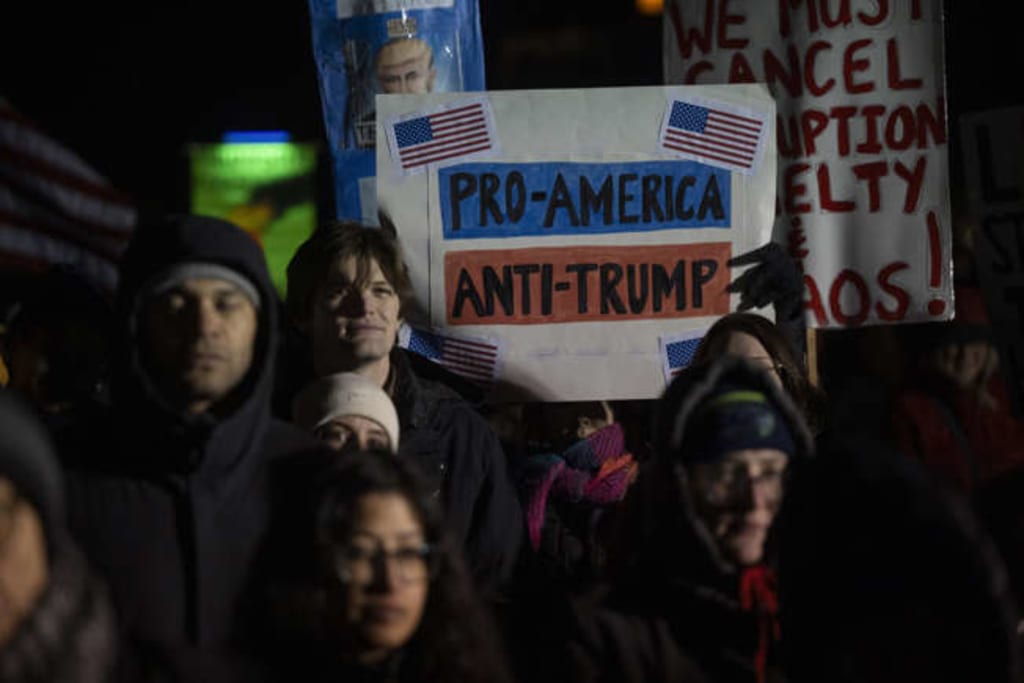
Just over a year into his second term, Donald Trump is facing a noticeable shift in public sentiment. After returning to power on promises to revive the economy and restore national strength, new polling suggests that many Americans are growing increasingly dissatisfied with his performance in office.
When Trump began his second term in late January, his approval rating stood at 47%—a relatively solid starting point. However, recent data shows that figure has dropped significantly, now sitting at just 36%. According to polling conducted by Reuters and Ipsos, the decline has been both sharp and rapid. In fact, Trump lost four percentage points in just a single week, falling from 40% to 36%, signaling a growing wave of dissatisfaction among voters.
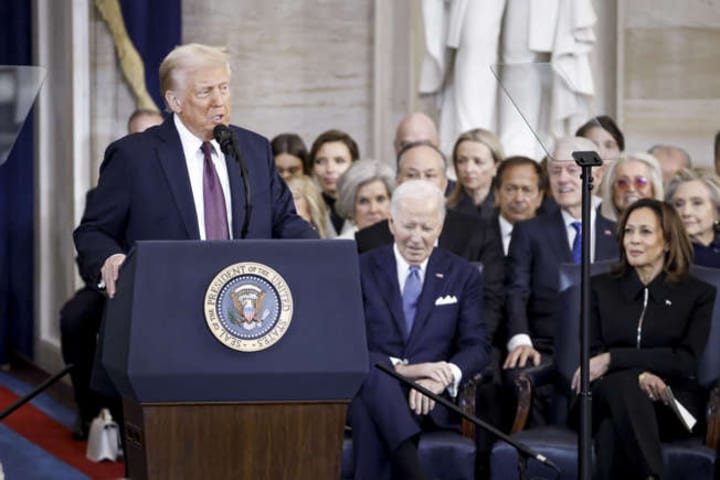
At the same time, disapproval of the president has surged. Approximately 62% of Americans now say they disapprove of his job performance, a stark increase from the 41% disapproval rating he held at the beginning of his term. The numbers reflect a widening gap between the expectations voters had during the election and their current perception of his leadership.
Much of this frustration appears to be tied to economic concerns—an issue that played a central role in Trump’s 2024 campaign. He positioned himself as the candidate who could fix the economy and address the rising cost of living, which had become one of the most pressing issues for voters. However, recent polling indicates that confidence in his economic leadership has eroded significantly.
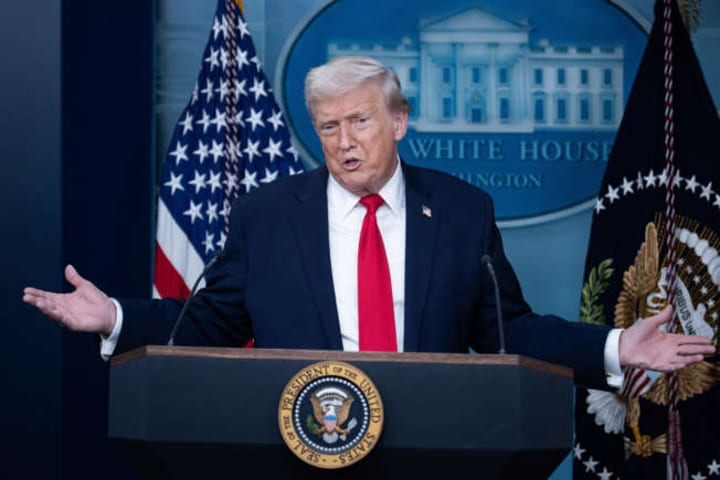
Only 29% of Americans now approve of Trump’s handling of the overall economy, marking the lowest rating he has received on this issue across both of his terms. Even more striking is the response to the cost-of-living crisis. Just 25% of those surveyed believe the president is managing this challenge effectively, highlighting the extent of public concern over inflation and everyday expenses.
For comparison, these numbers fall below the lowest economic approval ratings recorded during the presidency of Joe Biden, whose approval on the economy bottomed out at 32%. Trump, who entered office with a 42% approval rating on economic issues, has seen a 12-point drop in trust in just over a year—a significant decline for a president who built much of his campaign around economic recovery.
Political analysts suggest that recent policy decisions may be contributing to the downturn. Trump’s tariff strategies and his administration’s involvement in escalating tensions with Iran have raised concerns among voters about both economic stability and national security. These developments have added to the sense of uncertainty, particularly at a time when many Americans are already feeling financial pressure.
Public opinion on the conflict with Iran further reflects this unease. Polling shows that only 35% of Americans approve of U.S. strikes on Iran, while a clear majority—61%—disapprove. Additionally, just 26% of respondents believe the strikes will make the United States safer, suggesting widespread skepticism about the long-term impact of the administration’s foreign policy decisions.
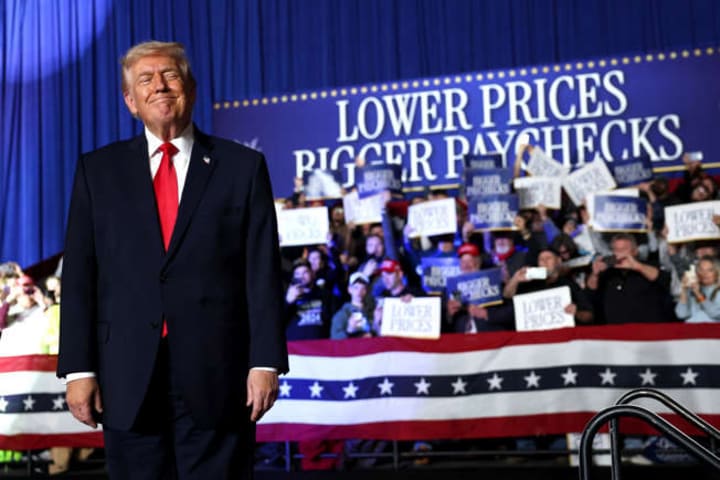
Despite the overall decline in approval, Trump continues to maintain relatively strong support within his own party. Among Republicans, disapproval remains limited, with only about one in five expressing dissatisfaction with his performance. However, even within this base, there are signs of concern. Disapproval among Republicans regarding Trump’s handling of the cost-of-living crisis rose from 27% to 34% in just one week, indicating that economic issues are beginning to resonate across party lines.
According to political reporters Jason Lange and Bo Erickson, voter anxiety over the economy was a decisive factor in the 2024 election. Trump’s campaign promise to create a “vibrant economy” helped secure his victory, but maintaining that confidence has proven more difficult in practice.
Interestingly, while Trump’s current approval rating remains above the lowest point of his first presidency—33%—it is only slightly higher than Biden’s lowest rating of 35%. This places him in a politically vulnerable position, where further declines could have significant implications for both his administration and his party.
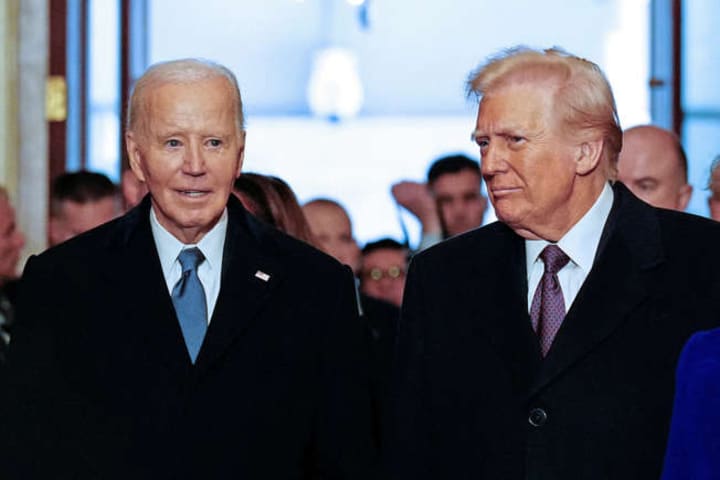
As the administration moves forward, the key question is whether Trump can reverse this trend. Economic recovery, cost-of-living improvements, and foreign policy outcomes will likely play a decisive role in shaping public opinion in the months ahead.
For now, the numbers paint a clear picture: the optimism that accompanied Trump’s return to office is fading, replaced by growing concern among voters. Whether this shift represents a temporary dip or a deeper, more lasting change in public sentiment remains to be seen.
About the Creator
Keep reading
More stories from Shirley Oyiadom and writers in FYI and other communities.
Royal nanny to Prince William and Kate's children honored with special medal
In a moment that quietly highlighted the people working behind the scenes of royal life, Maria Teresa Turrion Borrallo—the longtime nanny to the children of Prince William and Catherine Middleton—was honored with the prestigious Silver Royal Victorian Medal. The award was presented on March 24 during a formal investiture ceremony in Windsor, with Prince William himself leading the recognition.
By Shirley Oyiadom4 days ago in History
How big seafood companies can help reduce illegal fishing
The global seafood industry is worth hundreds of billions of dollars, and at its heart lies an uncomfortable truth: a significant portion of the fish that lands on dinner tables around the world has been caught illegally. Illegal, unreported, and unregulated (IUU) fishing — the full name for what most people simply call illegal fishing — accounts for an estimated 20% of the global catch, costing the world economy up to $23 billion a year. For anyone who cares about the ocean, that number is staggering. But here is where things get interesting: the best exotic fish exporters, the massive processing conglomerates, and the global seafood brands that dominate supermarket shelves are not just bystanders in this crisis. They are, in many ways, the most powerful force capable of ending it.
By Anna Paquin5 days ago in FYI
How Healthcare Industry Services Are Quietly Reshaping Patient Care
Healthcare is often seen through the lens of doctors, nurses, and hospitals. These are the visible parts of the system: the people and places patients interact with directly. But behind every smooth consultation, timely diagnosis, or successful treatment, there is a complex network of support working quietly in the background. This is where healthcare industry services play a crucial role.
By sakshi gehlot7 days ago in FYI




Comments
There are no comments for this story
Be the first to respond and start the conversation.