
A Garden of Broken Clocks
Time didn’t heal; it abandoned

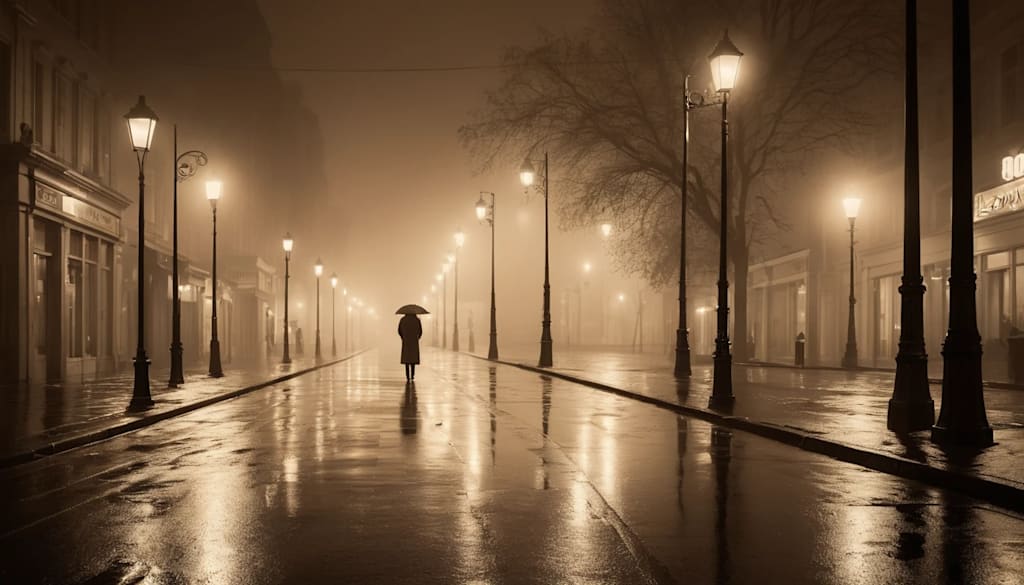
The day began like any other. From the window of his third-floor apartment, Martin watched the street below: a quiet line of parked cars, a lone delivery cyclist weaving through the early morning fog, and the familiar hum of the city awakening. The smell of bread from the bakery across the road mixed with the faint, lingering smoke of a neighbor’s wood stove. Martin sipped his coffee slowly, watching the steam curl into the air, a small, temporary comfort before the hours unfolded.
He had a plan—or at least, a hope. For weeks, he had counted the days, rehearsed what he would say, calculated how he could finally fix things. Years of quiet regrets, of things left unsaid, were to be redeemed today. He held the letter in his pocket, the one he had written over countless nights. Every word had been measured, every sentence polished. It was simple: an apology, a confession, a plea for understanding. A final chance.
The street was unusually empty. The fog made the buildings loom like silent witnesses. Martin left his apartment, carefully locking the door behind him. Each step echoed too loudly, a reminder of the solitude he had chosen. He walked toward the small café where he had arranged to meet her. The path was familiar, yet he noticed details he had never cared to see: the cracked sidewalk, the faded sign of the corner newsstand, the uneven rhythm of the streetlamps flickering through the mist.
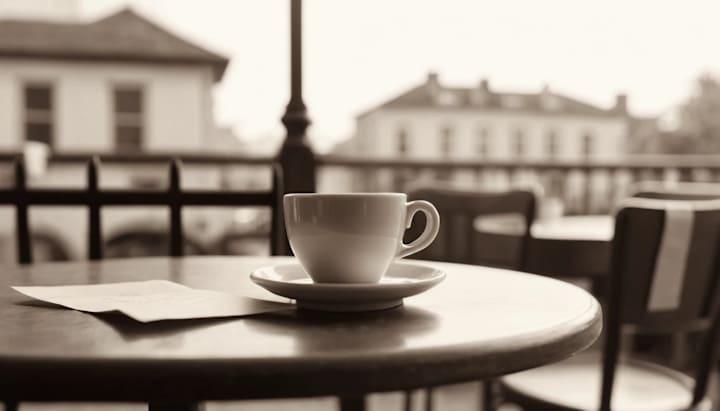
When he arrived, she was already there. Clara sat with her back to the window, her hands wrapped around a cup of tea, her eyes distant. He paused, letting the weight of the moment press against him. Time had moved differently for them both, though Martin couldn’t say whether it had been slower or faster, gentler or crueler. He slid into the chair across from her, the letter trembling slightly in his hand.
“Martin,” she said, not looking at him. Her voice carried neither warmth nor disdain. It was the void between them, made audible.
“I… I have something to say,” he began. Words came out too fast, too urgent, as if rushing could erase the years. “I’ve made mistakes. I know that now. I can’t change the past, but—”
She raised a hand. “I know,” she said. “I always knew.” Her eyes, finally meeting his, held a stillness that felt like a window frozen shut. “But some things… they don’t get fixed.”
He wanted to argue, to insist that the letter, the words, could undo everything. But the way she looked at him, the quiet certainty of her disappointment, made him pause. He put the letter on the table. “Then what do we do?” he asked. The question was smaller than he intended, almost childish in its fragility.
“Nothing,” she said. She pushed the cup away, leaving the tea to cool. “We live, I suppose. But not together. Not like before. Not… at all.”
Martin stared at her, at the contours of her face, at the shadows forming beneath her eyes. They were familiar yet strange, as if he had never truly seen her. His hands curled into fists under the table. Every argument he had rehearsed, every apology he had imagined, felt suddenly hollow. The letter was useless now; the words, once potent, were no longer currency in this quiet, fractured economy between them.
He left the café without another word. Outside, the fog had thickened, swallowing the familiar lines of the street. He walked without direction, letting the city carry him, each step heavier than the last. The streetlights flickered above, their light failing to reach the wet pavement. Cars passed silently, their tires hissing over puddles. The smell of damp earth and exhaust was pungent, but Martin barely noticed. Inside him, the emptiness spread, a slow tide filling every corner with the inevitability of loss.
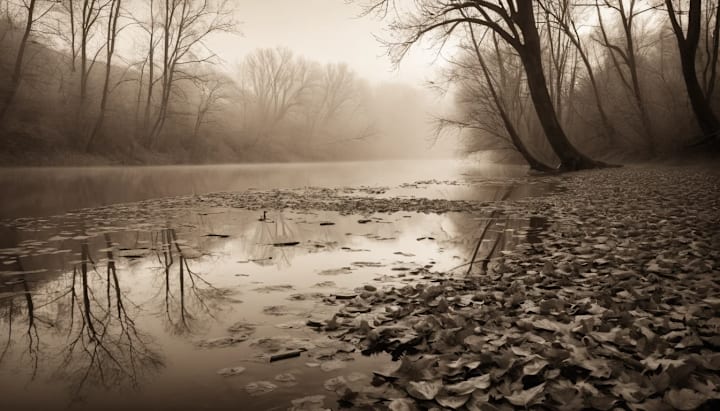
He ended up at the river, where the water moved sluggishly beneath the bridges, reflecting nothing but gray sky. He leaned on the railing, watching the current pull leaves, debris, and forgotten plastic bags downstream. He imagined that if he threw himself in, the river would not care, would not resist. It would simply take him, as it took everything eventually. The thought was not desperate—it was merely an acknowledgment of the weight he had carried for too long.
Hours passed. The fog became a blanket, suffocating, and the city dimmed into silence. Martin returned home, not because he wanted to, but because there was nowhere else to go. The apartment was quiet, the coffee cold, the letter still on the table. He picked it up, stared at the words, and realized that the sentences were more than useless—they were cruel reminders of what could not be reclaimed. Even his hope was fragile, a ghost clinging to the edges of reality.
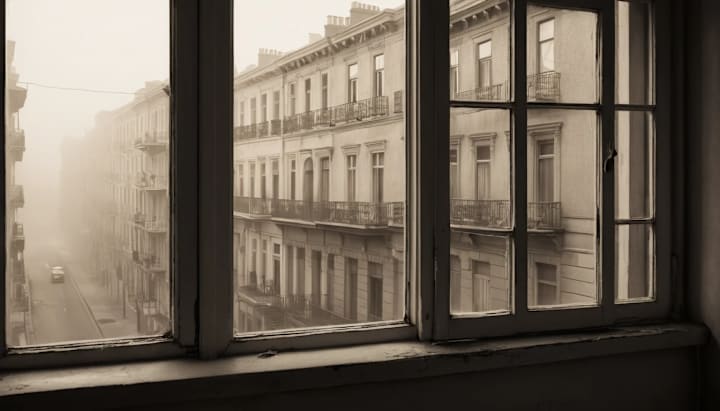
Night deepened. Outside, the city slept—or pretended to. Martin sat at the window, watching the empty street below, thinking of Clara, of every misstep, every missed opportunity. The consequences of his choices were undeniable: some bridges, once burned, cannot be rebuilt; some doors, once closed, remain shut forever. He had believed he could undo, could soften, could bend reality to the will of his remorse. He was wrong. There was no ending that welcomed him now, no reconciliation, no soft landing. Only the weight of what remained.
The letter stayed in his hand until dawn, when the fog lifted, revealing the street in harsh clarity. He realized that life would continue, unbending and indifferent, and that he would remain behind, shaped and broken by decisions he could no longer reverse. Outside, people walked by, oblivious. Inside, he breathed, but the air felt empty. The world had gone on without him, and he could not step back in. The consequences stood, unaltered, permanent.
And in that permanence, there was nothing left to hope for.
About the Creator
Algieba
Curious observer of the world, exploring the latest ideas, trends, and stories that shape our lives. A thoughtful writer who seeks to make sense of complex topics and share insights that inform, inspire, and engage readers.
The Devil's Lettuce
We're all sitting here in a world where you can buy cannabis infused seltzer at a boutique shop that looks like an Apple store... but for about 80 years, the government treated this plant like it was a literal demon from the seventh circle of Hell. Why? Was it because it was actually dangerous? Please. If being dangerous was the criteria, we would have also banned lawn darts and gender reveal parties decades ago.
By Sara Wilson7 days ago in Potent
Comments
There are no comments for this story
Be the first to respond and start the conversation.