
What to Eat in Dubai and Why These Dishes Are a Must-Try for Travellers
A City That Feeds Every Craving!
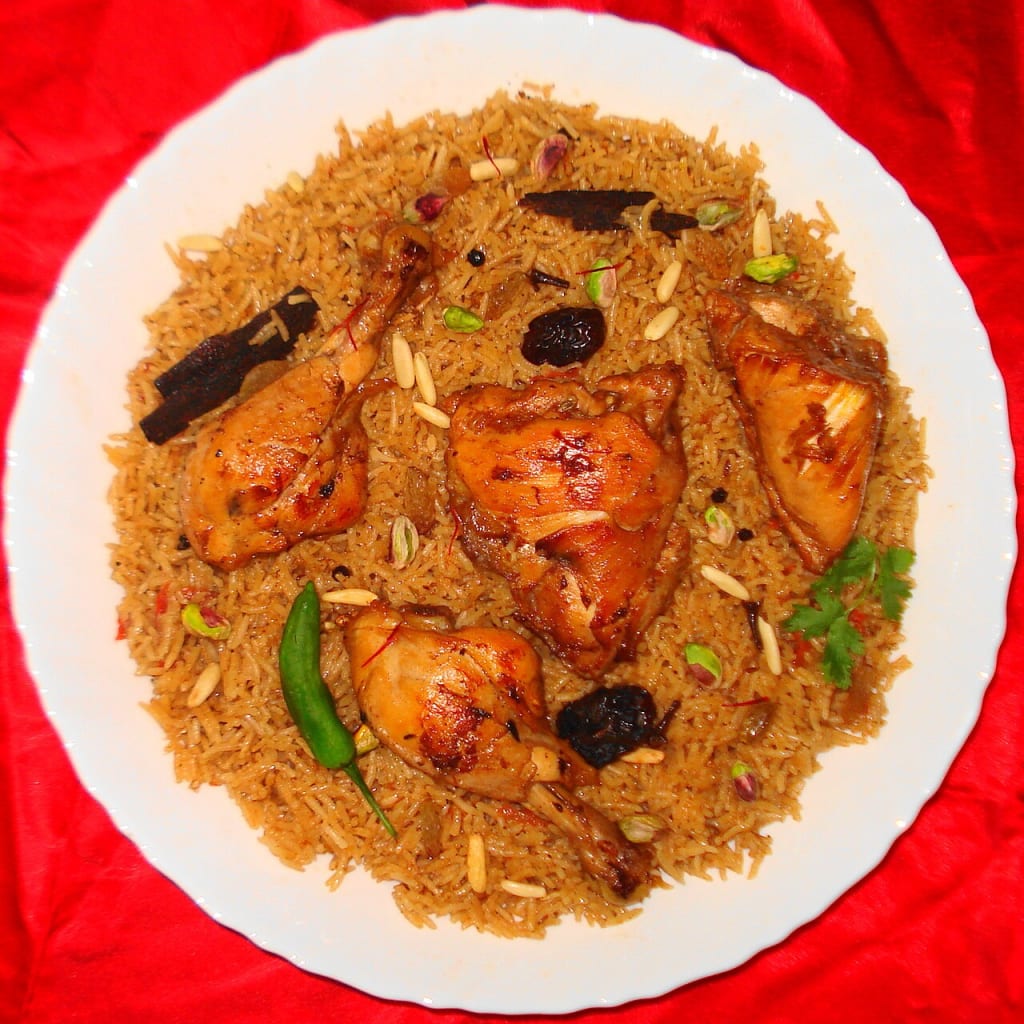
Dubai's culinary identity is one of its most underappreciated assets. While the city is globally recognised for its architecture, its luxury retail, and its record-breaking ambitions, the food culture that has developed alongside this growth tells a richer and more nuanced story. Dubai is home to more than 200 nationalities, and that diversity is reflected on every menu, in every market, and across every neighbourhood.
Emirati Cuisine — The Soul of the City's Food Story
No visit to Dubai is complete without an introduction to traditional Emirati food, a cuisine shaped by the desert, the sea, and centuries of trade routes that brought spices, rice, and cooking techniques from Persia, India, and East Africa into the Gulf kitchen. Machboos, a slow-cooked spiced rice dish prepared with either lamb, chicken, or fish, is arguably the most emblematic Emirati meal — deeply aromatic, generously spiced, and served with a side of salata hamer, a tangy tomato relish that cuts through the richness beautifully. Harees, a slow-cooked blend of wheat and meat that is particularly prominent during Ramadan, offers a different register entirely — simpler, earthier, and deeply comforting. Seeking these dishes out at local Emirati restaurants rather than hotel dining rooms gives travellers a far more authentic encounter with the city's culinary roots.
Street Food and Market Discoveries
Dubai's street food scene is one of its most democratic and democratic pleasures, offering some of the city's most memorable eating at a fraction of fine dining prices. The Deira area, one of Dubai's oldest neighbourhoods, is home to a concentration of small restaurants and food stalls serving shawarma, falafel, and fresh-baked Khubz flatbreads that have been feeding the city's working population for generations. Al Rigga Street and the lanes surrounding the Gold and Spice Souks reward explorers with Iranian bread shops, South Asian curry houses, and juice bars serving freshly pressed combinations of mango, pomegranate, and sugarcane that feel like a natural antidote to the Dubai heat. For travellers staying in suites in Dubai with their own kitchen access, the city's wet markets and spice souks also provide an extraordinary opportunity to cook with ingredients — saffron, dried limes, rose water, and whole spice blends — that carry the flavours of the entire Indian Ocean trade network.
The International Dining Scene
Dubai's position as a global city means its restaurant landscape encompasses virtually every culinary tradition on earth, often executed at the highest possible level. Japanese omakase counters, Peruvian ceviches, Lebanese mezze spreads, modern Indian tasting menus, and wood-fired Neapolitan pizzas all coexist within a dining ecosystem that is fiercely competitive and consistently innovative. Properties like Oaks Liwa Heights place guests within easy reach of Dubai's most vibrant dining corridors, where the density and variety of restaurants make it genuinely possible to eat a different cuisine every night for weeks without repeating an experience or compromising on quality. For food-focused travellers, this concentration of culinary talent in a single city is one of Dubai's most compelling and least anticipated attractions.
Sweet Endings — Desserts and Drinks Worth Seeking Out
Dubai's sweeter side is just as worthy of exploration as its savoury one, and the city's dessert culture draws on a rich mix of Emirati heritage and regional influence that few visitors take the time to discover. Luqaimat, small deep-fried dough balls drizzled with date syrup and sesame, are among the most beloved of all Emirati sweet treats — sold from street carts and served at traditional coffee houses alongside Karak chai, the heavily spiced, condensed milk tea that fuels the city from morning to midnight. Um Ali, a warm bread pudding enriched with cream, nuts, and raisins, draws its origins from Egypt but has been fully adopted into the Dubai dining vernacular and appears on menus from neighbourhood bakeries to five-star hotel restaurants. For travellers with a sweet tooth, following the dessert trail through Dubai's older neighbourhoods and its modern patisseries alike reveals a city that takes as much pride in how it ends a meal as in everything that comes before it.
About the Creator
Keep reading
More stories from ameliarosanna and writers in Feast and other communities.
How to Navigate Fine Dining Etiquette in Singapore
Singapore is known for its diverse culinary scene, offering everything from world-class hawker fare to exquisite fine dining experiences. Whether you’re dining at a Michelin-starred restaurant or an elegant hotel establishment, understanding proper dining etiquette can elevate your experience and ensure you leave a lasting impression. Here’s a guide to navigating fine dining etiquette in Singapore with confidence.
By ameliarosanna2 months ago in Feast
Foraging Appalachia’s Wild Edibles
It's that time of year again and Appalachia offers a remarkable abundance for anyone willing to learn its seasonal gifts and practice careful gathering. Across ridges, holler's, stream-side's, and meadows, edible plants, berries, roots, and fungi appear through every part of year. Knowledge is key and teaches not only what can be eaten, but also how to gather with respect so that these resources remain available far into future.
By Tim Carmichael7 days ago in Feast
Top Noodle, Rice, and Stir-Fry Dishes at a Vietnamese Chinese Restaurant
If you are craving flavorful comfort food that brings together the best of two beloved cuisines, visiting a Vietnamese Chinese restaurant is one of the best dining choices you can make. From savory stir-fried noodles to satisfying rice plates and wok-tossed specialties, this style of restaurant offers a menu full of variety for every kind of appetite.
By Norma Reeves6 days ago in Feast



Comments
There are no comments for this story
Be the first to respond and start the conversation.