
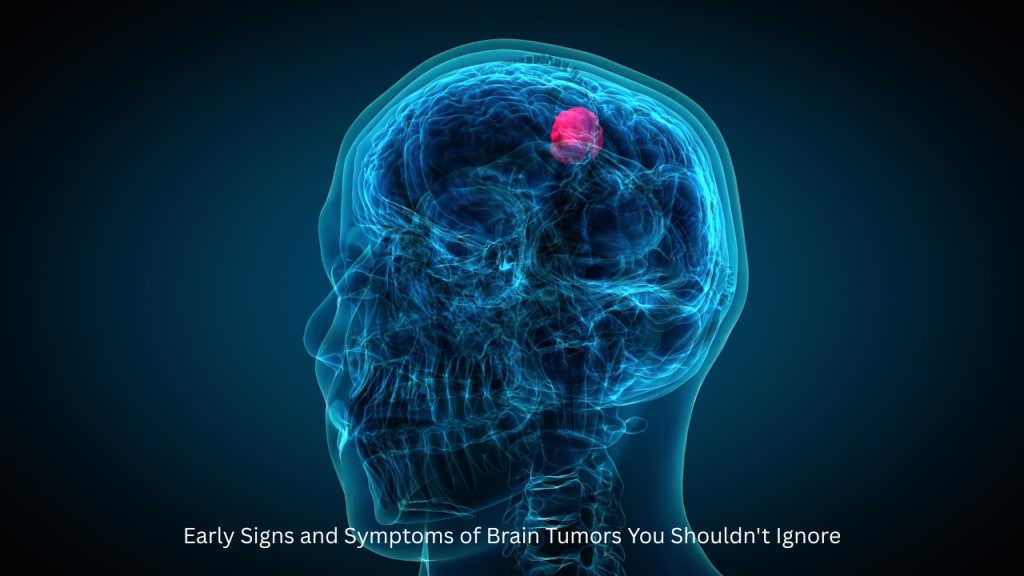
Early Signs and Symptoms of Brain Tumors You Shouldn’t Ignore
Early signs of brain tumors include headaches, vision changes, seizures, memory issues, and nausea. Seek care if symptoms worsen or persist.

Key Takeaways
- Brain tumors can be benign or malignant — both require medical evaluation
- Early warning signs include persistent headaches, seizures, vision and speech changes, balance problems, and personality shifts
- Symptoms vary depending on where the tumor is located in the brain
- New-onset seizures in adults and sudden severe headaches require emergency care
- Gradual but persistent symptoms should prompt a doctor's appointment within days
- MRI is the primary tool for brain tumor diagnosis
- Early detection leads to better treatment outcomes and quality of life
What Is a Brain Tumor?
A brain tumor is an abnormal mass of cells that grows within or near the brain. Normally, the cells in your body grow, divide, and replace themselves in an orderly fashion. A tumor forms when this process breaks down and cells begin to multiply uncontrollably.
Brain tumors can originate in the brain itself (called primary brain tumors) or they can travel to the brain from another part of the body such as the lungs, breasts, or colon (called secondary or metastatic brain tumors).
Benign vs. Malignant: What Is the Difference?
Benign (non-cancerous) tumors grow slowly and do not spread to other parts of the body. They often have clear borders, which can make surgical removal easier. However, even a benign tumor inside the skull can be dangerous if it presses on critical brain regions.
Malignant (cancerous) tumors grow more aggressively and can invade nearby brain tissue. They are harder to treat and have a greater impact on brain function. The term "brain cancer" typically refers to malignant tumors.
Early Warning Signs of a Brain Tumor
- Are worst in the morning and improve after you get up and move around
- Wake you up from sleep
- Worsen progressively over days or weeks
- Are accompanied by nausea or vomiting without an obvious cause
- Feel different from any headache you have had before
- Do not respond to over-the-counter pain medications
- Convulsions (shaking of the whole body or one limb)
- Staring spells or brief moments of blankness
- Sudden tingling, numbness, or twitching in one part of the body
- Brief but unexplained feelings of fear, confusion, or déjà vu
- Blurry or double vision
- Loss of peripheral (side) vision in one or both eyes
- Seeing flashes of light or floating shapes
- Sudden vision loss (rare but serious)
- Difficulty finding the right words mid-sentence
- Speaking in jumbled or incoherent sentences
- Trouble understanding simple instructions
- Sudden difficulty reading or writing
- Unexplained clumsiness or dropping objects frequently
- Difficulty walking in a straight line
- Loss of fine motor skills (such as difficulty buttoning a shirt)
- A feeling of dizziness or unsteadiness that is not linked to an ear problem
1. Persistent or Unusual Headaches
Headaches are one of the most common symptoms humans experience — which is exactly what makes them easy to dismiss. However, when headaches are linked to a brain tumor, they tend to have distinctive qualities that set them apart from ordinary tension or migraine headaches.
Watch out for headaches that:
A brain tumor can increase pressure inside the skull (a condition called intracranial hypertension), which causes this characteristic type of headache. If your headaches have changed in pattern or intensity, that is reason enough to consult a doctor.
2. Seizures
A seizure occurs when abnormal electrical activity surges through the brain. Brain tumors — both benign and malignant — can disrupt the normal electrical environment of brain tissue and trigger seizures, even in people who have never had one before.
Seizures can look very different depending on the person:
Any new-onset seizure in an adult, regardless of how mild it seems, warrants prompt medical attention and imaging of the brain.
3. Vision or Hearing Problems
Many people with brain tumors report changes in vision as one of their first symptoms. Depending on where the tumor is growing, it can press on the optic nerves or the visual processing areas of the brain.
Common visual brain tumor symptoms include:
Similarly, tumors affecting the temporal lobe or auditory nerve can cause ringing in the ears (tinnitus), hearing loss, or difficulty understanding spoken language.
4. Speech and Language Difficulties
The brain's language centers — primarily located in the left hemisphere — control your ability to speak, understand language, read, and write. A tumor growing in or near these areas can disrupt these abilities in ways that are hard to explain.
You or someone close to you might notice:
These changes are not always dramatic at first. A person might describe it as feeling like a word is "on the tip of their tongue" more frequently than usual, a subtle but meaningful change worth paying attention to.
5. Balance and Coordination Issues
The cerebellum, located at the base of the brain, is responsible for coordinating movement, balance, and fine motor control. When a tumor affects this region, people may experience:
6. Memory Loss and Personality Changes
Perhaps the most overlooked and emotionally complex early signs of brain tumors are changes in cognition and personality. Because these shifts can be gradual, they are often attributed to stress, aging, or emotional burnout.
Signs that may point to a deeper cause include:
- Increasing forgetfulness or difficulty concentrating
- Sudden mood swings — particularly new episodes of depression, anxiety, or irritability
- Changes in behavior, impulsivity, or social judgment
- A general sense of mental "fogginess" or confusion
- Difficulty with planning, multitasking, or problem-solving
Family members are often the first to notice these changes in a loved one. Trust these observations, they are medically significant.
When Should You See a Doctor or Neurosurgeon?
You should speak with a general physician (GP or internist) as your first point of contact if you notice any of the early warning signs described in this article. Your doctor will evaluate your symptoms and, if necessary, refer you for specialized neurological assessment.
A neurosurgeon or neurologist may be involved when:
- An MRI or CT scan reveals an abnormality in the brain
- Symptoms are rapidly worsening
- A biopsy or surgical intervention is being considered
- You have a known history of cancer elsewhere in the body
About the Creator
Fabio A. Frisoli
I’m Dr. Fabio A. Frisoli, a board-certified neurosurgeon at Atlantic Brain and Spine, specializing in brain tumors, skull base, and minimally invasive spine surgery, delivering advanced, patient-centered care.
Keep reading
More stories from writers in Education and other communities.
History of the Encyclopaedia Britannica
Let’s talk about books and reading for a minute. I love books, and always have. It doesn’t matter what they are, what genre, or the form they come in, digital or otherwise. And back in the early 1980s, my parents did me a huge favour: they invested in the Encyclopaedia Britannica. It was a rather large investment, but it triggered a love for learning that has endured. But why did Britannica matter so much? Well, the truth of the matter lies deep in the history of the books themselves. So let’s explore how these amazing books have shaped the minds of generations of youngsters, including my own. The story will fascinate you, that I guarantee.
By Julius Karulisabout 10 hours ago in Education
Teaching Creativity Without Worksheets
I started thinking differently about creativity on a day when my plan fell apart before breakfast. I had paper ready, markers sorted, and a neat activity in mind. Then one child ignored the page, grabbed a cardboard tube from the recycling pile, and turned it into a telescope for a pirate game that lasted half an hour. That morning stayed with me because the most original thinking in the room had nothing to do with the printed task I had prepared.
By Kelsey Thorn7 days ago in Education
Side Quest Goal Achieved: Placing an Alien Claim
This is a post that has me quite ecstatic. It's funny, I thought it was going to be one of my usual, "Hey, I achieved another one of my goals and checked it off" type deals. And it sort of is. But it sort of isn't. And it's also one of my greatest writing accomplishments of late.
By Stephen Kramer Avitabile4 days ago in Writers




Comments
There are no comments for this story
Be the first to respond and start the conversation.