
6 Surprising Biological Truths About Your Body After Sex
Why We Do That

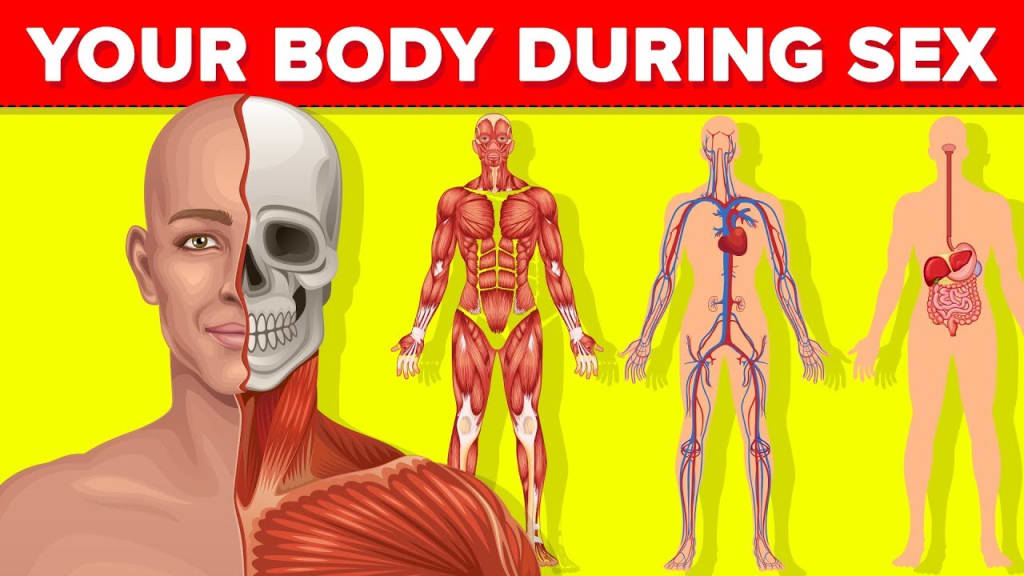
1. Introduction: Beyond the Hollywood Cliché
In the world of cinematic romance, the moments following intimacy are almost always reduced to a handful of tired tropes: the "post-coital cigarette" shared against a headboard, or the immediate, insensitive roll-over into slumber. We tend to view these behaviors through the lens of social etiquette or relationship dynamics, but as a matter of physiological reality, what happens after the lights go down is rarely a choice. It is a biological mandate.
From neurochemical cascades that mimic heavy narcotics to a literal rewiring of our emotional vigilance centers, the human body undergoes a series of transformations that are as fascinating as they are involuntary. By peeling back the layers of our evolutionary architecture, we can see that our post-sex habits aren't just quirks—they are the final movements in a complex biological symphony.
2. The Biological "Off Switch": Why Men Actually Need That Nap
What often looks like a lack of post-coital etiquette is actually a neurochemical hostile takeover. Upon ejaculation, the male brain is flooded with a cocktail of serotonin, oxytocin, vasopressin, and nitric oxide. This surge functions as a "hit of morphine," acting as a powerful natural de-stressor that signals the brain to descend into a state of profound relaxation.
The primary architect of this "off switch" is the hormone prolactin. Prolactin is the chemical marker of satisfaction; it not only creates the feeling of fulfillment but also dictates the refractory period—the recovery time required before a man can perform again. There is a direct correlation here: the more satisfied the man, the higher the prolactin release, and the more likely he is to succumb to a deep, restorative sleep. As one medical expert noted, these chemicals "give you a very relaxed feeling, slow down your brain waves and cerebral functioning, and make you feel pleasantly tired." Rather than an act of rudeness, this nap is a physiological imperative, a necessary "reboot" for a brain that has just undergone intense strenuous activity.
3. The Urinary Paradox: Why You Can’t (and Maybe Should) Go
While the brain may be signaling for sleep, the kidneys often send a contradictory—and frustrated—message. Many feel an immediate urge to urinate after sex, a drive sparked by oxytocin and prolactin affecting the kidneys, alongside a natural evolutionary need to flush bacteria from the urethra.
However, nature has designed this as a one-way street. During the height of the act, the internal sphincter muscle clamps shut to seal off the bladder. This is a protective mechanism meant to ensure that semen and urine do not mix, prioritizing the exit of genetic material over the excretion of waste. Consequently, many find themselves in a biological deadlock: the urge is present, but the "exit" is physically locked until the body returns to a resting state.
This paradox extends to the phenomenon of female ejaculation. Research indicates that the "milky liquid" released by some women is distinct from the large volumes of fluid seen in others. The latter is often urine diluted with substances from the female prostate—a perfectly normal, though often misunderstood, part of the body's complex fluid management during peak immersion.
4. The Great Focus: Why a Woman's Brain Goes "Offline"
The female experience of orgasm involves a unique cognitive "blackout." A landmark 2005 study from the Netherlands revealed that for a woman to reach peak intensity, her brain must essentially "set aside" its executive functions. Specifically, the amygdala and hippocampus—the brain’s vigilance centers and emotional alarm systems—temporarily turn off. This allows for a state of total sensory immersion.
Once the goal is reached, the brain undergoes a rapid "re-calibration." As consciousness returns, the "emotional intelligence" centers flicker back to life, followed immediately by a surge of oxytocin, the "cuddle chemical." This is where a biological asymmetry often occurs: men generally have higher levels of testosterone, which can inhibit the effects of oxytocin. Because women have lower testosterone levels, they are biologically primed for connection and conversation in the wake of the act, while their male counterparts may be struggling against a testosterone-fueled de-stressing response.
5. The 25% Rule: Visible Physical Transformations
The internal chemical shifts are mirrored by striking, albeit temporary, physical transformations. These metrics highlight just how much of a "full-body" event sex truly is:
Vascular Swelling: A woman’s breasts can swell by as much as 25% during and after sex, while the nipples may become significantly more sensitive. Simultaneously, the clitoris may temporarily "disappear" or retract immediately following the peak.
The Cremaster Reflex: For men, the perception of testicle shrinkage is a common post-coital observation. This isn't actual shrinkage, but rather the work of the cremaster muscle, which contracts to pull the testicles closer to the body for protection during ejaculation.
6. The S1 Nerve and the "Toe Cramp" Phenomenon
One of the more bizarre "distant echoes" of the sexual experience is the sudden, involuntary toe cramp. This localized muscle spasm is a testament to the sheer scale of the nervous system’s involvement. During climax, the intense electrical stimulation of the spinal column can "short-circuit" the S1 nerve. Because this specific nerve path governs the motor functions of the feet and toes, the neurological intensity of a genital event can trigger a physical reaction at the furthest extremity of the body.
7. The Post-Coital Crash: Dealing with the "Emotional Handicap"
The "rush" of intimacy is fueled by massive amounts of dopamine, the brain's primary reward chemical. But the law of neurochemical physics applies: what goes up must eventually come down. For some, the sudden cessation of this dopamine high results in a sharp emotional slump.
"Some men have reported feeling 'emotionally handicapped' after a great orgasm... It’s like coming down from a drug that makes you feel happy or ecstatic."
While many experience this as a brief "post-coital blue," the source material notes a more sobering reality for some men: this chemical crash can trigger a period of depression that lasts as long as a full week. This "crash" is the brain’s attempt to restore equilibrium after being flooded with "ecstatic" levels of dopamine.
8. Conclusion: The Human Connection in the Chemical Wake
From the "cuddle chemical" driving a need for post-act intimacy to the prolactin-induced nap, our behaviors are rarely arbitrary. They are the result of a sophisticated internal blueprint designed to regulate the body after its most intense physical and emotional output. Whether you are navigating a week-long dopamine slump or a localized nerve twitch in your toes, you are simply witnessing your body’s most complex work.
The next time you find yourself reaching for sleep or seeking a deep conversation, will you see it as a personal preference—or will you recognize the invisible hand of biology finishing its masterpiece?
About the Creator
HearthMen
#fiction #thrillier #stories #tragedy #suspense #lifereality
When a Child Is in Crisis: Valley Children’s Healthcare Is Answering the Call with Mental Health Care Services
For families in California’s Central Valley whose children are struggling with anxiety, depression or thoughts of self-harm, real help hasn’t always been within reach. For years, parents have driven three and four hours just to access inpatient psychiatric care for a child in crisis.
By Todd Suntrapak3 days ago in Education
Top 7 ERPNext Implementation Companies for Scalable Business Growth
In today’s fast-paced business world, growing your company means having the right tools. ERPNext is powerful software that helps manage almost every part of your business, including sales, inventory, accounting, and human resources. However, installing and setting up ERPNext properly can be tricky. That’s where expert implementation companies come in.
By Jamika Wilkerson6 days ago in Education
Why Wiked: For Good is Undeservingly the ‘worse movie’
So… off the bat, we’re about to delve into something ridiculous. Just so we’re clear on that, ok? The first thing anyone that knows a thing about these dual movies… knows… is the original movie and sequel were shot together.
By Gabriel Shames2 days ago in Humans




Comments
There are no comments for this story
Be the first to respond and start the conversation.