
Bug Off! Keep Pests Out of Your Micro-Garden Naturally & Safely!
Protect Your Precious Plants Without Harsh Chemicals – Your Ultimate Guide to Organic Pest Warfare for a Thriving, Pest-Free Micro-Garden!

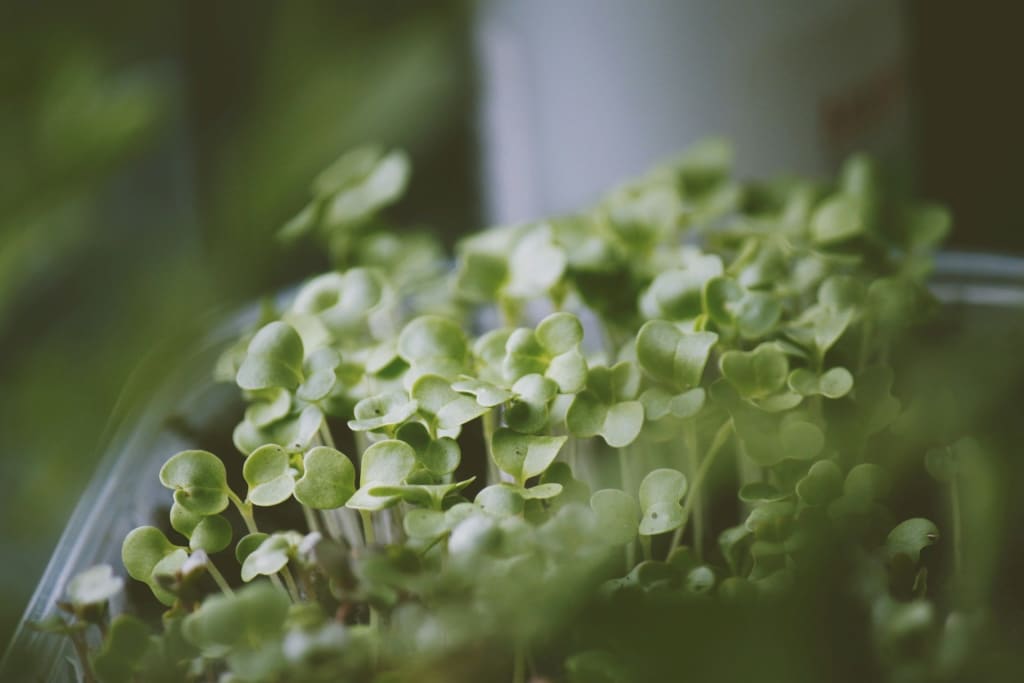
You’ve poured your heart into your micro-garden. Your herbs are fragrant, your greens are vibrant, and your tiny tomatoes are just starting to blush. Then, one morning, you spot them: tiny aphids clinging to a basil leaf, or mysterious holes appearing in your prized lettuce. Panic! Before you reach for harsh chemical sprays, take a deep breath. In the world of micro-gardening, where every plant is precious and space is intimate, organic, natural pest control isn't just an option—it's the smartest, safest, and most sustainable way to keep your green oasis thriving.
This guide is your battle plan for natural pest warfare. We'll arm you with knowledge, preventative strategies, and effective, eco-friendly remedies to protect your plants without harming your family, your pets, or the planet. Get ready to banish those bothersome bugs and cultivate a truly resilient, pest-free micro-garden!
Why Organic Pest Control is Non-Negotiable for Micro-Gardens!
When your garden is small and often close to your living space, the choices you make about pest control have immediate and personal consequences.
Safety First: Protect Your Home & Family!
Using harsh chemical pesticides indoors or on a small balcony can expose you, your children, and your pets to potentially harmful substances. Organic methods prioritize safety above all else.
- No Toxic Residues: Enjoy your homegrown produce with peace of mind, knowing it's free from synthetic chemical residues.
- Safer Environment: Maintain a healthy indoor and outdoor living space without introducing harmful fumes or compounds.
Healthier Plants, Healthier Ecosystem!
Organic pest control focuses on prevention and creating a balanced ecosystem, rather than simply eradicating pests. This approach leads to stronger, more resilient plants over time.
- Beneficial Insects: Many chemical pesticides kill indiscriminately, wiping out beneficial insects (like ladybugs!) that actually eat garden pests. Organic methods protect these garden allies.
- Soil Health: Chemicals can harm soil microbes, impacting the long-term health and fertility of your potting mix. Organic practices nurture the soil.
Sustainable & Eco-Friendly: A Win for the Planet!
Micro-gardening is often about sustainable living. Extending that philosophy to pest control is a natural fit.
- Reduced Pollution: Prevents chemicals from washing into waterways or polluting the air.
- Biodiversity: Supports a healthy balance of life in and around your micro-garden.
- Fact: Many common garden pesticides are neurotoxins, designed to disrupt the nervous systems of insects. While effective, their broad-spectrum action can have unintended consequences on other organisms, including humans and pets, if misused. Source: EPA Pest Control.
Your First Line of Defense: Prevention is Key!
The best pest control is preventing an infestation from happening in the first place. These proactive steps are crucial for micro-gardeners.
1. Vigilance: Your Daily Patrol!
Inspect Regularly: Make it a habit to inspect your plants daily. Look closely at the tops and undersides of leaves, stems, and new growth.
Early Detection: Catching pests early, when numbers are small, makes them much easier to manage.
2. Quarantine New Plants: Don't Invite Trouble In!
Isolate: Always keep new plants (from nurseries, friends, etc.) separate from your existing garden for a week or two.
Inspect Thoroughly: During quarantine, check them meticulously for any hitchhiking pests before integrating them into your micro-garden.
3. Healthy Plants are Happy Plants: Stress Less, Pest Less!
Strong, healthy plants are naturally more resistant to pest attacks.
Right Plant, Right Place: Ensure your plants get the correct amount of sunlight, water, and nutrients. Stressed plants are magnets for pests.
Good Air Circulation: Space plants appropriately and use a small fan for indoor gardens to prevent damp conditions that attract some pests and fungal diseases.
Quality Soil/Potting Mix: Healthy soil supports healthy roots, leading to strong plants.
4. Cleanliness is Next to Gardenliness: Remove Debris!
Tidy Up: Remove any dead leaves, fallen debris, or spent flowers from your pots. These can provide hiding spots for pests.
Clean Tools: Sanitize your pruning shears or scissors with rubbing alcohol between uses to prevent spreading disease.
Identify Your Foe: Common Micro-Garden Pests!
Knowing your enemy helps you choose the right organic weapon.
Aphids: Tiny, soft-bodied insects (green, black, red) found in clusters on new growth. They suck plant sap, causing distorted leaves. Often leave behind sticky "honeydew."
Spider Mites: Extremely tiny (often hard to see with the naked eye). You'll notice fine webbing on leaves and tiny yellow or brown dots. They thrive in dry conditions.
Mealybugs: White, cottony masses found in leaf axils and undersides. They also suck sap and leave honeydew.
Whiteflies: Small, white, moth-like insects that flutter when disturbed. Found on leaf undersides.
Fungus Gnats: Small, dark, mosquito-like flies that buzz around the soil surface. Their larvae feed on roots in consistently wet soil.
Slugs & Snails: Leave silvery trails and irregular holes in leaves. More common in outdoor micro-gardens.
Your Organic Arsenal: Natural Pest Control Solutions!
When prevention isn't enough, these organic solutions come to the rescue.
1. The Power of Your Hands: Manual Removal!
Hand-Picking: For larger pests like slugs, snails, or caterpillars, simply pick them off and dispose of them (or relocate them far away).
Wipe Away: For aphids, mealybugs, or scale, use a damp cloth, cotton swab, or soft brush to physically wipe them off. A cotton swab dipped in rubbing alcohol can be very effective on mealybugs and scale.
Strong Water Spray: A strong jet of water (from a hose or spray bottle) can dislodge aphids, spider mites, and whiteflies. Do this in the morning so leaves can dry.
2. Natural Sprays: DIY & Store-Bought!
Insecticidal Soap:
How it works: Suffocates soft-bodied insects. Made from potassium salts of fatty acids.
DIY: Mix 1-2 teaspoons of mild liquid dish soap (pure castile soap is best, avoid degreasers or detergents with harsh chemicals) with 1 liter (about a quart) of water.
Application: Spray thoroughly, covering all surfaces, especially leaf undersides. Reapply every 5-7 days until pests are gone. Test on a small area first.
Neem Oil:
How it works: A natural plant extract that acts as an anti-feedant, growth regulator, and repellent for many pests. It's safe for beneficial insects once dry.
Application: Mix according to package directions (it's concentrated!). Spray thoroughly on all plant surfaces. Reapply every 7-10 days. Best used as a preventative or early treatment.
Fact: Neem oil disrupts the hormonal systems of insects, preventing them from feeding, growing, and reproducing effectively.
- Garlic/Chili Pepper Spray:
- How it works: Repels pests with its strong scent and irritant properties.
DIY: Blend a few cloves of garlic or a couple of hot peppers with water, strain, and dilute the liquid. Add a tiny bit of mild soap as an emulsifier.
Application: Spray on foliage. Reapply after rain or watering.
3. Traps & Barriers: Catch 'Em or Block 'Em!
Yellow Sticky Traps:
How it works: Attracts flying pests like whiteflies, fungus gnats, and winged aphids.
- Application: Place near affected plants. Great for monitoring and reducing populations.
Slug/Snail Traps:
How it works: A shallow dish of beer sunk into the soil attracts and drowns slugs/snails.
Application: Place traps in areas where slugs/snails are active.
- Diatomaceous Earth (DE):
- How it works: A natural, fine powder made from fossilized diatoms. It's harmless to humans and pets but acts like tiny shards of glass to insects, dehydrating them.
- Application: Lightly dust soil surfaces (for fungus gnat larvae) or plant foliage (for crawling pests). Reapply after rain. Only use food-grade DE.
4. Beneficial Insects: Nature's Pest Patrol!
For outdoor micro-gardens or larger indoor setups, introduce natural predators.
- Ladybugs: Voracious eaters of aphids.
Lacewings: Their larvae are also excellent aphid predators.
How to Use: Purchase online from reputable suppliers. Release them into your garden during calm weather, ideally in the evening. Provide them with some water.
Attract Them: Plant flowers like dill, fennel, and cosmos to attract native beneficial insects.
Troubleshooting Common Pest Problems in Micro-Gardens!
Fungus Gnats (tiny flies hovering near soil):
Solution: Usually a sign of overwatering. Let the top inch or two of soil dry out completely between waterings. Use yellow sticky traps. Consider sprinkling Diatomaceous Earth on the soil surface.
Spider Mites (webbing, tiny yellow dots):
Solution: They love dry, hot conditions. Increase humidity if indoors (mist regularly). Blast them with a strong spray of water. Use insecticidal soap or neem oil.
Aphids (clusters on new growth, sticky leaves):
Solution: Hand-wipe, strong water spray, insecticidal soap, or neem oil. Introduce ladybugs if outdoors.
- Mealybugs (white cottony masses):
- Solution: Dip a cotton swab in rubbing alcohol and wipe them off. Use insecticidal soap or neem oil.
Your Resilient, Pest-Free Micro-Garden Awaits!
Adopting an organic approach to pest control in your micro-garden is a powerful choice. It might require a bit more vigilance and a different mindset than reaching for a quick chemical fix, but the rewards are immense: healthier plants, safer produce, and a deeper connection to the natural balance of your tiny ecosystem.
Embrace these natural strategies. Learn to identify your foes. Most importantly, nurture your plants to be strong and resilient. With consistent care and a little organic know-how, your micro-garden will flourish, free from unwelcome guests, and bursting with life. Happy, healthy growing!
---
About the Creator
Umar Faiz
Writer of supply chains, NFTs, parenting, and the occasional philosophical spiral. Obsessed with cinema, psychology, and stories that make you say “wait, what?” Fueled by coffee and mild existential dread.
Urban Demolition Challenges: Efficient Trucking Strategies in High-Density Construction Zones
Urban demolition is no longer a niche segment of construction. As cities continue to grow vertically and older structures are cleared to make way for new developments, demolition and excavation projects are increasingly concentrated in dense, high-traffic areas. This shift brings a new layer of complexity, especially for trucking operations that must move debris, materials, and equipment efficiently through crowded urban environments.
By Tim Clarke6 days ago in Earth
The Irony of Flying While We Bomb the "World's Greatest Terror Regime"
Ah, the irony of flying at this moment in time as the United States is simultaneously bombing Iran - the nation officials have insisted for decades is "The World's Greatest Terror Regime" - while the TSA is on a go-slow, courtesy of a funding squeeze that's left its officers unpaid, quitting in droves, and turning checkpoints into something like slow-moving bread lines.
By Scott Christenson🌴7 days ago in Humor



Comments
There are no comments for this story
Be the first to respond and start the conversation.