
The Harvard University Student Who Murdered Her Roommate
A troubled young girl couldn't face rejection...

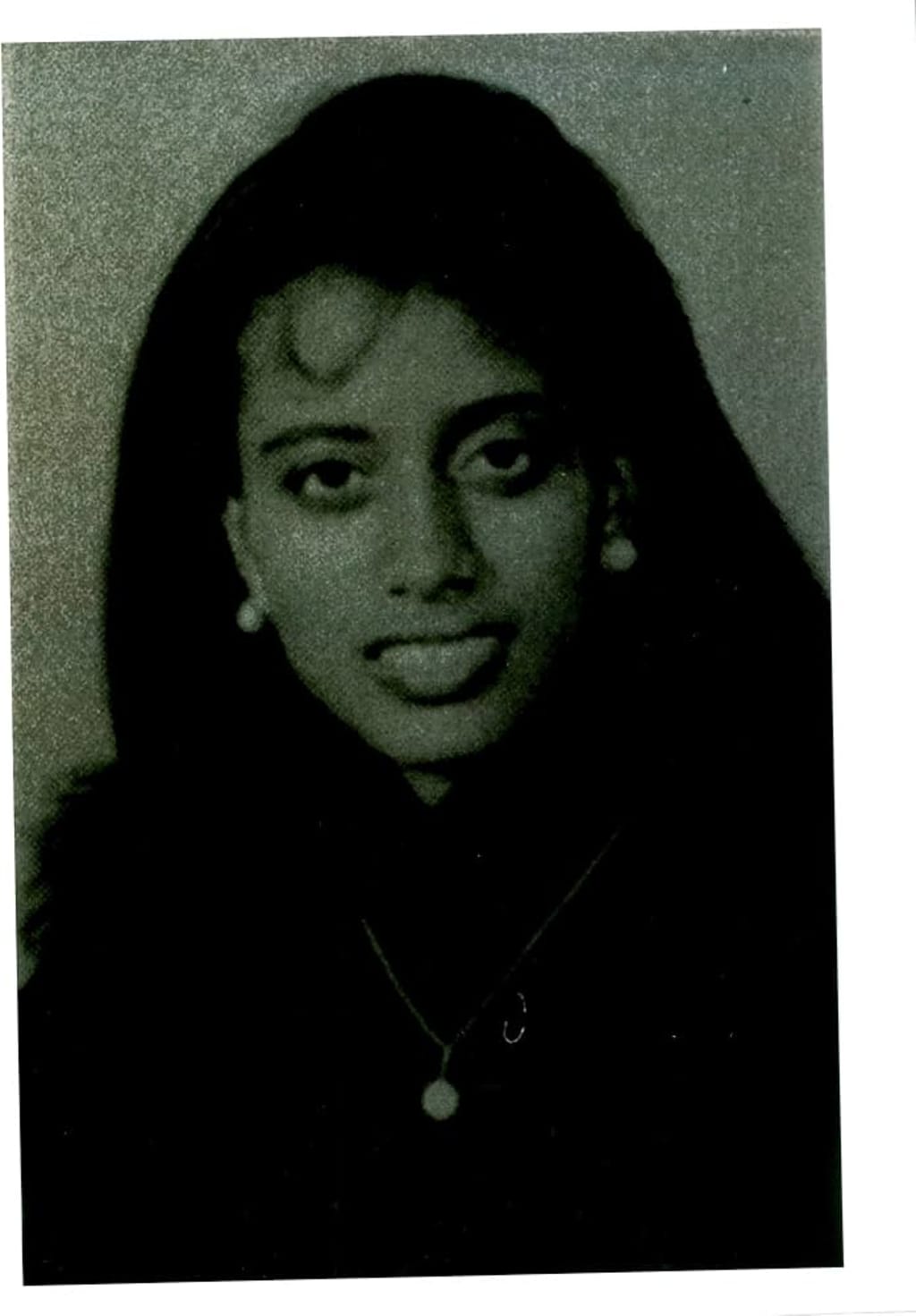
Sinedu Tadesse was born on September 25th 1975, in Addis Ababa, Ethiopia. Although her family was financially well-off, her childhood was marked by instability and turmoil.

At the age of seven, Sinedu’s father was imprisoned for two years, an event that left her vulnerable to relentless bullying from both her classmates and members of her own extended family. These experiences severely damaged her self-esteem from an early age.
Despite these hardships, Sinedu excelled academically. She graduated as valedictorian and earned admission to the prestigious Ivy League institution, Harvard University.
Determined to pursue a career in medicine, she dreamed of one day returning to Ethiopia to serve as a healer. In many ways, her academic success became her primary source of purpose and motivation.

Sinedu arrived in Massachusetts on a full scholarship, ready to begin her studies at the university she had long dreamed of attending. She was assigned to Dunster House, one of Harvard’s twelve undergraduate residential communities, and saw this new chapter as a chance to start over—a hopeful beginning to what she believed would be a brighter future.
But reality proved far more difficult than she had imagined.
At Harvard, Sinedu struggled to maintain a B average—grades that fell short of the standard required for admission to Harvard Medical School. The realisation was crushing. After years of standing out academically, she now found herself surrounded by equally accomplished peers, and for the first time, she felt painfully ordinary.
Socially, she faced similar challenges. Often described as awkward and withdrawn, Sinedu found it difficult to form meaningful friendships. Even relatives living nearby kept their distance. The isolation weighed heavily on her, and over time, it contributed to a deepening sense of depression and social withdrawal, further compounding her struggles.

Desperate for connection, Sinedu began writing letters to fellow Harvard students, using contact details she found in the phone directory. In them, she spoke candidly about her loneliness and isolation, pleading for someone—anyone—to be her friend.
One student, moved by sympathy, responded. However, her concern soon turned to alarm as Sinedu’s follow-up letters and recordings grew increasingly unsettling. She eventually cut off all contact. Another recipient reacted with irritation, dismissing the letter as inappropriate and passing it to a friend who worked at Harvard, to review. Despite this, no formal action was taken.
By the end of her freshman year, Sinedu’s roommate had grown so uncomfortable that she chose not to live with her again, opting instead to room with someone else.
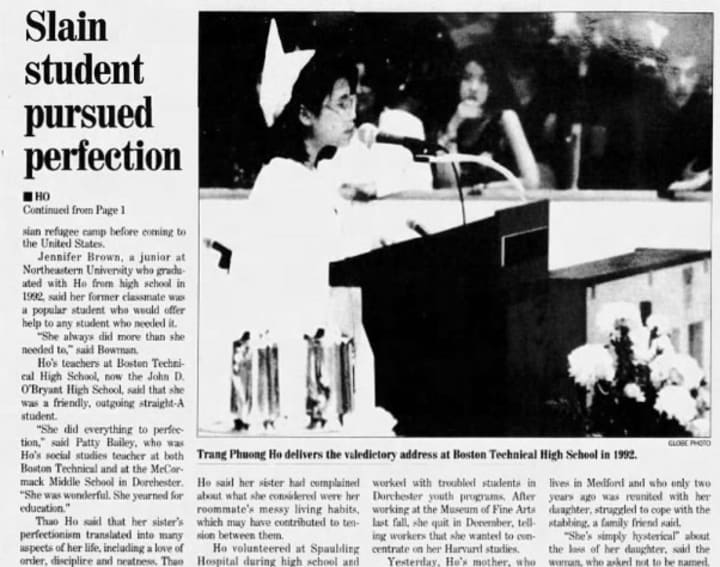
In her second and third years, Sinedu was assigned a new roommate: Trang Phuong Ho.
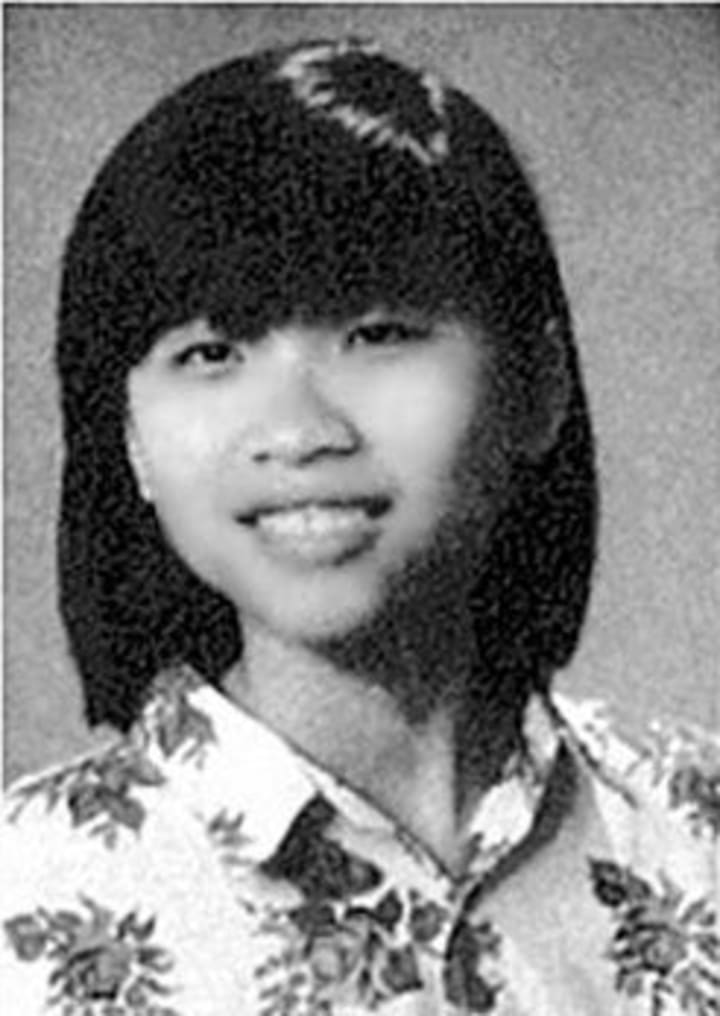
Trang was a Vietnamese student who, like Sinedu, attended Harvard on a full scholarship and was thriving academically and socially. Both women were 21 years old.
Sinedu was elated at the prospect of sharing a room with someone like Trang, believing the arrangement might finally help her build a meaningful friendship and improve her social life. She spoke about Trang with an intensity that hinted at how much she longed for connection, even remarking that she would make Trang “the queen of her life” and felt proud to be her roommate.
Trang, too, had come from a turbulent background. She had grown up in Saigon during the final years of the Vietnam War. As North Vietnamese forces advanced, her parents made the difficult decision to flee the country.
Unable to leave together, Trang, her sister, and her father escaped by boat to a refugee camp in Indonesia, where they lived for a year. During that time, her father taught the girls English—a language Trang quickly mastered, demonstrating both resilience and determination from a young age.

The family eventually made their way to California before relocating to the East Coast in search of better educational opportunities. Trang continued to excel, graduating as valedictorian of her high school class.
During her freshman year at Harvard, she was even named by Boston Magazine as one of 25 individuals “most likely to save the city of Boston,” a testament to her promise and potential.

She worked in a lab at the Dana Farber Cancer Institute and had a good social life, her best friend being an older Vietnamese girl from the area named Thao Nguyen.

Most weekends, Trang returned home to help her family—translating for her mother and guiding her younger sister through schoolwork. According to a close friend, she did so willingly and with a smile, noting that Trang “would have felt guilty not using her time productively.”
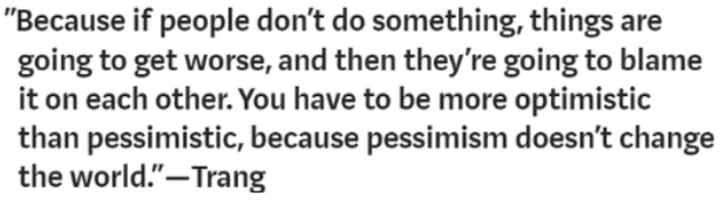
Her dedication and character had long been evident. High school teachers admired her, describing her as a natural leader with a strong sense of social responsibility. At Harvard, she continued to embody these qualities, serving as an officer in the Vietnamese Students Association, where she tutored fellow refugees. At the same time, she balanced two jobs to help support her family.
A pre-med student, Trang aspired to pursue a career in paediatrics, driven by a desire to give back and care for others.

Trang was widely liked among her peers and consistently met her academic goals. In many ways, she embodied everything Sinedu felt she herself was not. Yet rather than responding with open jealousy, Sinedu grew deeply attached to her new roommate, placing an increasing emotional weight on their relationship.
Over time, that attachment became intense and one-sided. Sinedu began seeking out Trang constantly, lingering around her and at times following her across campus. When she asked Trang to spend time together, Trang often declined politely, explaining that she was busy with studies or prior commitments. These refusals, however, would sometimes trigger visible anger in Sinedu—reactions that unsettled Trang and ultimately led her to begin distancing herself during their junior year.
The imbalance between them became increasingly clear. While Sinedu saw Trang as her closest friend, the feeling was not mutual. As the months passed, Sinedu’s sense of rejection deepened into resentment. Her diaries from this period reflected troubling thoughts, including references to violence and suicide, and her behaviour as a roommate grew more erratic and inconsiderate.
By this point, they had lived together for two years. Sinedu’s emotional dependence and her belief that they shared a close, reciprocal bond had become difficult for Trang to manage. Eventually, Trang made the decision to move in with a different group of students for their senior year. When she told Sinedu, the news was devastating. Sinedu pleaded with her to reconsider, but Trang remained firm. In time, she cut off contact entirely, leaving Sinedu increasingly isolated.
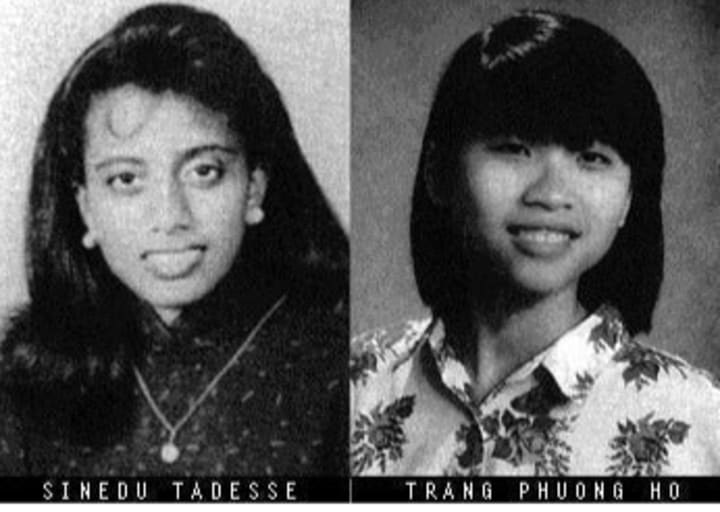
The sense of rejection once again left Sinedu humiliated and enraged. She could not understand why no one wanted to be her friend, or what she was doing differently from other students. Consumed by these feelings, she began to fixate on Trang, believing she needed to “teach her a lesson” for leaving her isolated. It was during this time that Sinedu began formulating a chilling plan for revenge.
By mid-May 1995, her thoughts had turned increasingly dark. She meticulously plotted how to retaliate against Trang for what she perceived as betrayal, devising a cold and calculated plan that would ultimately involve violence.
In the week leading up to the act, Sinedu purchased two knives and a rope, disposed of her computer, and even sent a photograph of herself with an anonymous note to The Harvard Crimson, the school newspaper, warning, “Keep this picture. There will soon be a very juicy story involving this woman.” Disturbingly, the warning was never investigated.

Sinedu was also seeing a therapist on campus, but sessions were limited to just once a month—a common practice at the time, as students were generally encouraged to seek additional support outside the university. She sat for one final exam while receiving medical exemptions for two others. Around this time, she met for brunch with a fellow Ethiopian student named Neb, who would later realise that their meeting had been her way of saying goodbye before taking her own life.
On May 27th 1995, Sinedu Tadesse sat up in her dorm room waiting for her roommate to return. When Trang finally walked through the door and headed to her bedroom, Sinedu was annoyed to see that she was not alone. She had brought along with her, her best friend, Thao.
Thao slept over to celebrate the end of finals with Trang. In the morning Thao woke up to a horrifying scene …Sinedu standing over Trang, stabbing her.
Thao tried to stop her but was injured herself and when she ran to get help, the door locked shut behind her. Students said they found Thao in the courtyard, screaming “Someone killed my friend” and bleeding profusely.
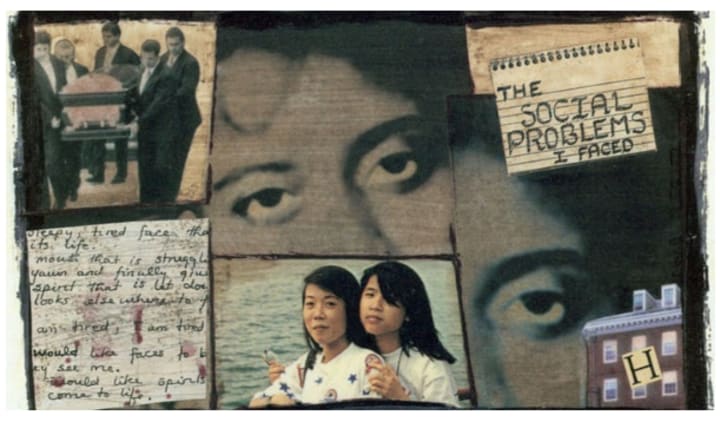
Police were called and once they arrived, they were met with a brutal scene. Trang was taken to Cambridge Hospital where she was pronounced dead upon arrival. It was found that after the attack, Sinedu had walked to the bathroom, barricaded herself in and hung herself with the rope she had purchased the week prior.
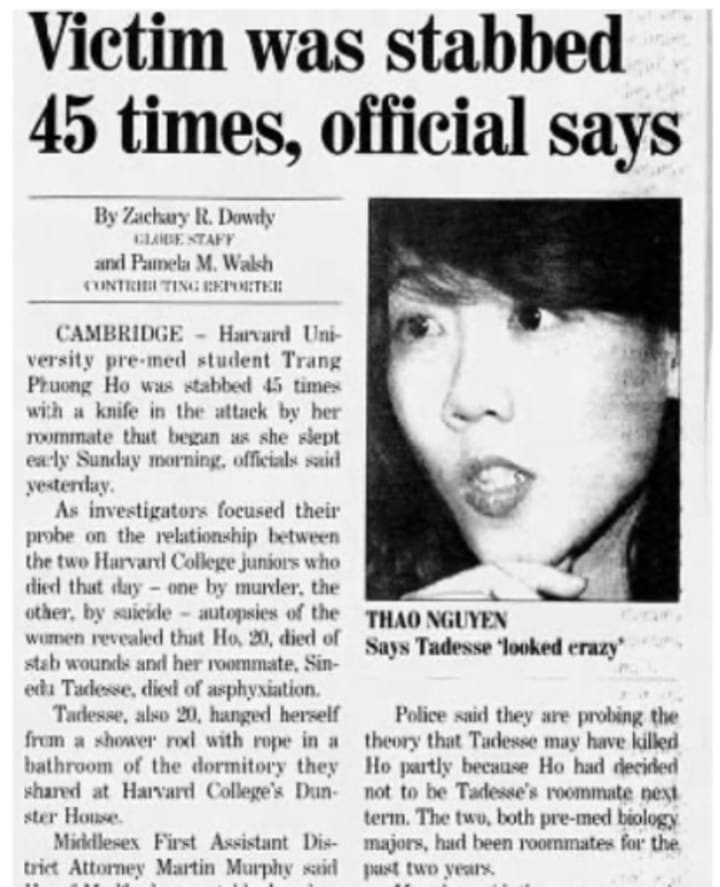
It became clear that Sinedu had meticulously planned the attack. When her parents were informed of the tragedy, they were reportedly in disbelief, even considering the possibility that she had been murdered or influenced by malevolent forces. Examination of the crime scene revealed the full horror of the act: Trang had been stabbed 45 times with a hunting knife.
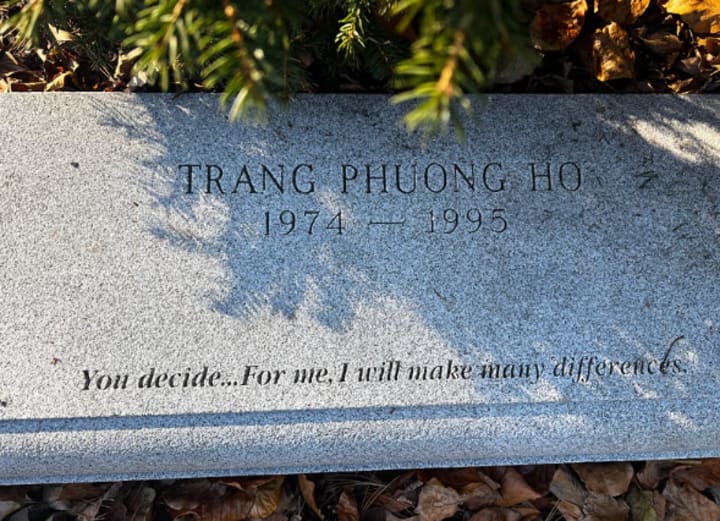
In the aftermath, a debate arose at Harvard over whether a scholarship should be established in memory of both students or solely in Trang’s name. The decision was ultimately made to honour Trang, and today, students can apply for the Trang Ho Public Service Fellowship, which supports charitable work during the summer following their junior year.
Melanie Thernstrom, the author of the New Yorker article, actually wrote a book about the entire case called Halfway Heaven which is based on a quote from Trang who said: “this beautiful place which was halfway heaven” while talking about Harvard.
The tragic deaths of Sinedu and Trang prompted Harvard to reassess and expand its mental health services, though, according to WGBH, the university still experiences a relatively high student suicide rate.
Many have criticised Harvard for failing to intervene despite numerous warning signs regarding Sinedu, yet it appears that a perfect storm of circumstances contributed to her emotional collapse, ultimately leading to the deaths of both young women.
Sinedu’s body was returned to her family in Addis Ababa, Ethiopia. Trang, meanwhile, was honoured with a Vietnamese Buddhist funeral attended by up to 150 people, her coffin surrounded by elaborate floral arrangements. She was later laid to rest in Cambridge.
About the Creator
Matesanz
I write about history, true crime and strange phenomenon from around the world, subscribe for updates! I post daily.
Follow on Ko-Fi: https://ko-fi.com/matesanz
The $25,016 "Chargeback-Crypto" Scheme: A Case Study on PR Media Online and Matei Gavriluta
The Anatomy of a High-Stakes Digital Fraud Introduction: The Facade of Reputation Management In the modern digital economy, a brand's reputation is its most valuable asset. Businesses spend thousands of dollars on "Reputation Management" to ensure their public image remains untarnished. However, a disturbing investigation has revealed that some entities operating in this space may be using these professional services as a front for sophisticated financial redirection and debt evasion.
By Dhandayuthapani4 days ago in Criminal
The Devil's Lettuce
We're all sitting here in a world where you can buy cannabis infused seltzer at a boutique shop that looks like an Apple store... but for about 80 years, the government treated this plant like it was a literal demon from the seventh circle of Hell. Why? Was it because it was actually dangerous? Please. If being dangerous was the criteria, we would have also banned lawn darts and gender reveal parties decades ago.
By Sara Wilson6 days ago in Potent




Comments (1)
🔥🔥🔥🔥WOW🔥🔥🔥🔥🔥🔥🔥🔥 🙏💜 🙏💜🙏💜🙏💜 Thank you 🙏💜🙏💜🙏💜