
New Epstein files twist delivers blow to Trump...
Will the release of the files doom Trump?
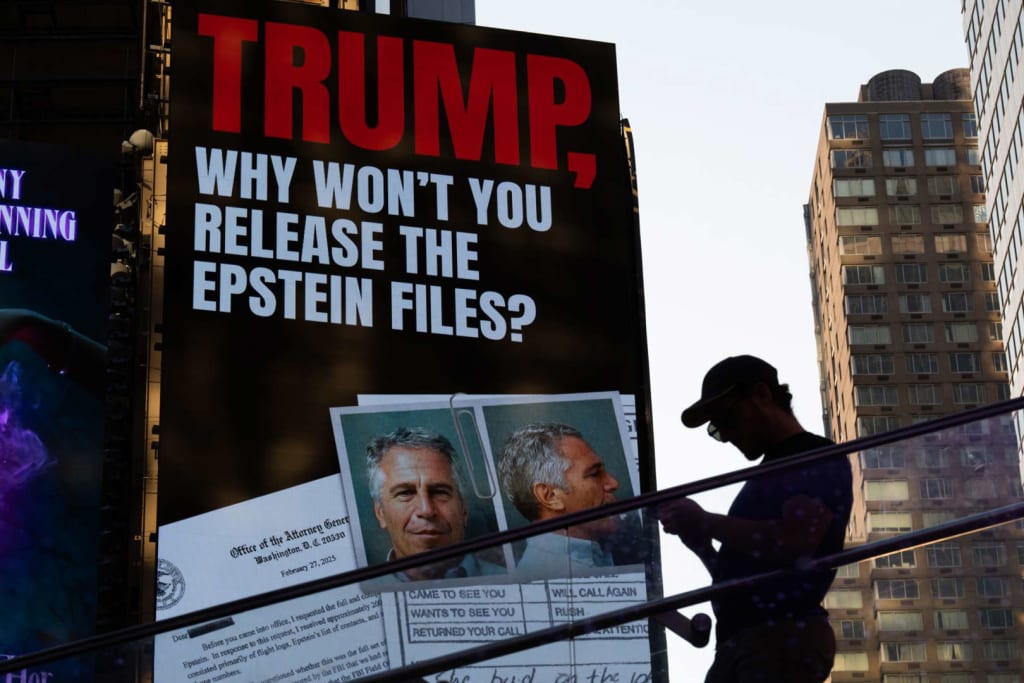
On November 18, a long-simmering political battle in Washington reached a dramatic turning point. The House of Representatives overwhelmingly approved legislation mandating the release of all government records tied to the investigation into the alleged crimes of Jeffrey Epstein. While the move had been anticipated for weeks, its implications were far-reaching—especially for Donald Trump, who had once promised full transparency on the issue.
The bill, formally known as the Epstein Files Transparency Act (H.R. 4405), passed with a striking 427–1 vote in the House, signaling rare bipartisan unity in a deeply divided political climate. Lawmakers from both sides of the aisle appeared to agree on one thing: the American public deserved answers about a case that has long been shrouded in secrecy, speculation, and controversy.
Ironically, the legislation represented both a political challenge and a strategic opportunity for Trump. During his 2024 campaign, he had pledged to release the Epstein files, positioning himself as a champion of transparency. However, once back in office, his administration appeared far more cautious. Months passed with little progress, and questions about the files became a recurring issue in press briefings and political commentary.
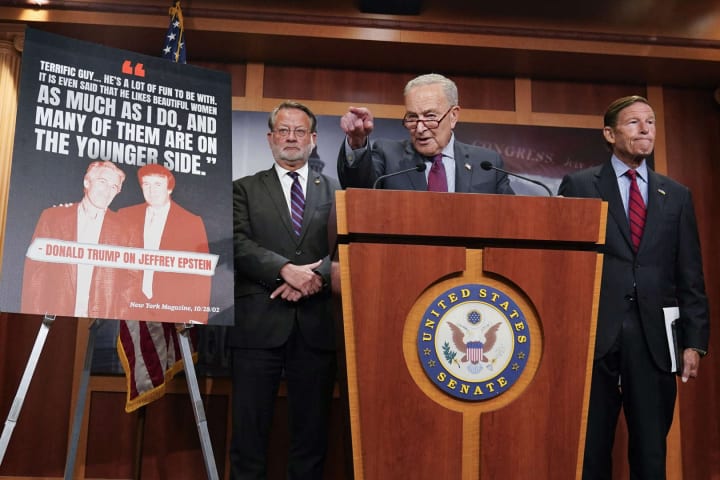
As pressure mounted, critics accused the administration of deliberately stalling. The lack of action provided ammunition for political opponents, who suggested that powerful interests were being protected. The issue grew increasingly uncomfortable for the White House, turning what had once been a campaign promise into a political liability.
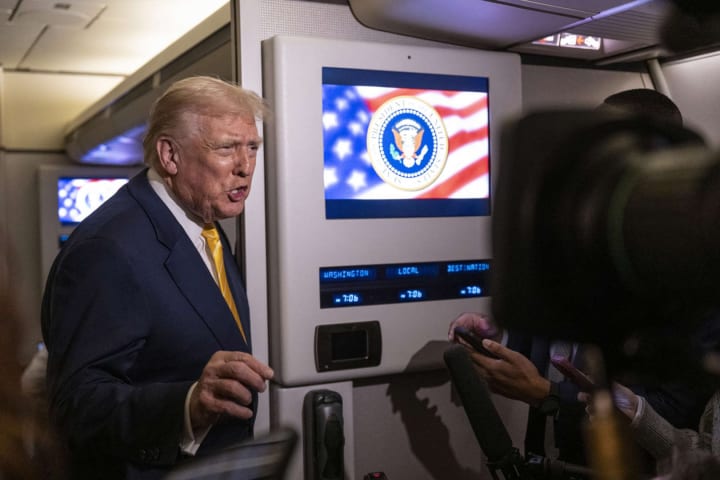
Then, just days before the House vote, Trump made a sudden and notable shift. In a post on his social media platform, Truth Social, he publicly endorsed the release of the files. “As I said on Friday night aboard Air Force One to the Fake News Media, House Republicans should vote to release the Epstein files, because we have nothing to hide,” he wrote. At the same time, he dismissed the controversy as a politically motivated attack, calling it a “Democrat hoax” designed to distract from Republican successes.
To some observers, the timing of Trump’s endorsement was no coincidence. Political analysts suggested that the president’s support was less about transparency and more about maintaining control of the narrative. With it becoming increasingly clear that the bill would pass regardless of his stance, backing it allowed Trump to avoid what could have been a highly visible political defeat.
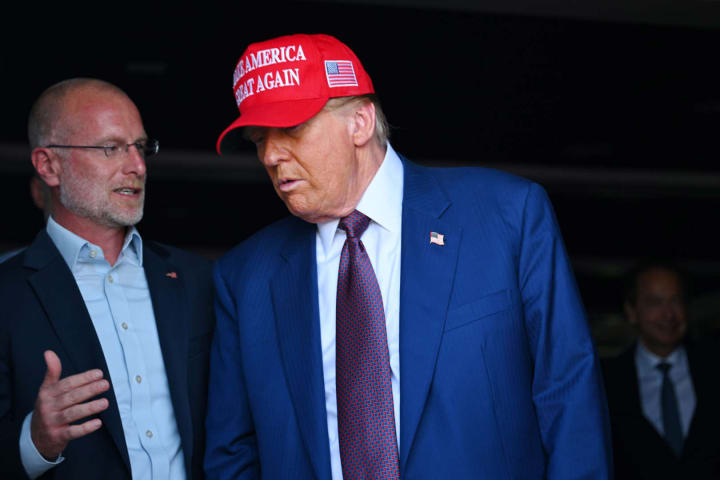
Indeed, momentum for the bill had been building steadily. According to reports, lawmakers were already confident that H.R. 4405 would clear the House, requiring the federal government to release the Epstein-related documents within 30 days. What happened next, however, surprised even seasoned political watchers.
Just hours after the House vote, the Senate moved with remarkable speed. In a rare show of unity, it passed the bill by unanimous consent—a procedural move that requires agreement from every senator but avoids a formal roll call vote. The swift action effectively ended months of legislative gridlock and sent the bill directly to the president’s desk.
At that point, Trump faced a critical decision: sign the bill into law or veto it. While a veto was technically an option, it carried significant political risk. Blocking the release of the files could have reinforced accusations that his administration was attempting to conceal sensitive information. In the end, the path forward became clear.

On November 19, Trump signed the legislation into law, officially setting the stage for the release of the Epstein files within a 30-day timeframe.
Despite the overwhelming support for the bill, there was one notable exception. Representative Clay Higgins cast the sole “no” vote in the House. His decision quickly drew criticism from both Republicans and Democrats, with many questioning his reasoning in the face of such strong bipartisan consensus.
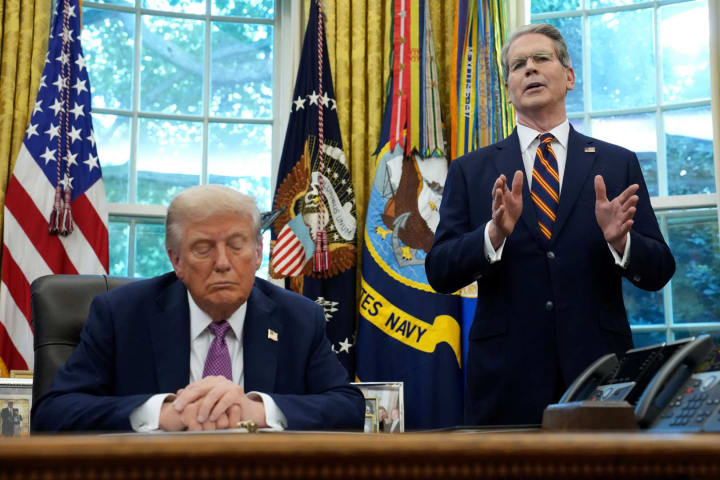
The passage of the Epstein Files Transparency Act marked the end of a prolonged and often contentious chapter in Congress. As political journalist Alexander Bolton noted, the issue had fueled months of tension and provided Democrats with a powerful line of attack, accusing Republicans of shielding wealthy and influential figures connected to Epstein’s network.
Now, attention turns to what comes next. The contents of the files remain unknown, but expectations are high. For years, the Epstein case has been the subject of intense public interest, with widespread speculation about who might be named in the documents and what new details could emerge.
The potential impact on American politics cannot be overstated. Depending on what the files reveal, the fallout could extend far beyond Washington, affecting public trust, political alliances, and reputations at the highest levels.
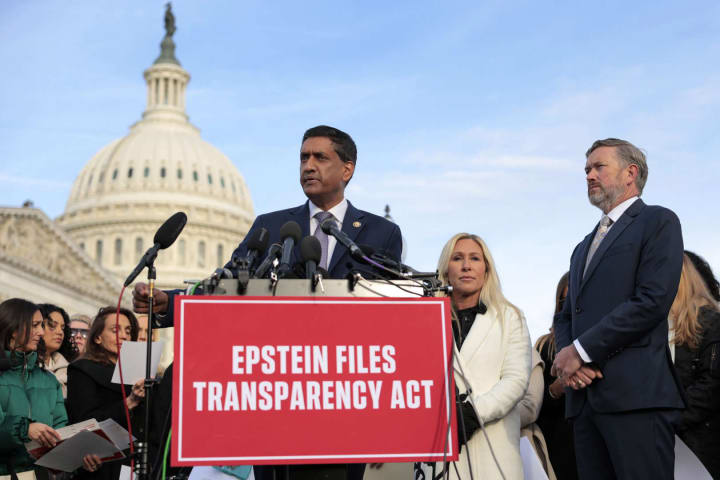
For Trump, the stakes are particularly high. While his late endorsement of the bill may have helped him avoid immediate political damage, the eventual release of the files could present new challenges—or, alternatively, vindicate his claims. Until then, uncertainty looms.
As the 30-day deadline approaches, one thing is certain: the release of the Epstein files will be one of the most closely watched political developments in recent history. Whether it brings clarity, controversy, or both, the nation is bracing for what may finally come to light.
About the Creator
Keep reading
More stories from Shirley Oyiadom and writers in Criminal and other communities.
Jeffrey Epstein Lookalike Caught Cruising South Florida?
The internet has been buzzing with excitement and speculation after a mysterious sighting in South Florida sparked a wave of viral videos and heated debates online. Everything began when a man who looked strikingly similar to the late financier Jeffrey Epstein was spotted driving along a busy street. Witnesses say the resemblance was so uncanny that several people nearby immediately pulled out their phones to record the moment as the vehicle passed by.
By Shirley Oyiadom15 days ago in Criminal
NIST's Collection of 10,000 Fingerprints
NIST’s fingerprint dataset SD 302 includes 10,000 fingerprint images, including this one from the sticky side of a postage stamp. The dataset is now fully annotated, with details such as the colorized regions shown on the right. The colors, which represent regions of differing quality, will help train both humans and machine learning algorithms how to distinguish identifying features and weigh their importance as evidence. Credit: B. Hayes/NIST
By Frank Racioppi2 days ago in Criminal
A Visitor's Guide To Victorian England
A Book Review Being interested in all things Victorian, I am constantly looking for books on the Victorian Era. In fact, I should admit that I am obsessed about ‘all things Victorian’. From the clothes worn by men and women, rich or poor, to how they lived, where they lived, what they ate and would (or would not ) drink, what kind of transport there was, who worked where, who went to school (and who didn’t), the list really is endless.
By Ruth Elizabeth Stiff6 days ago in BookClub




Comments
There are no comments for this story
Be the first to respond and start the conversation.