
Pakistan Offers to Host Iran-US Talks as Middle East Tensions Rise
Trump Pressure, Iran Conflict, and Pakistan’s Diplomatic Opportunity

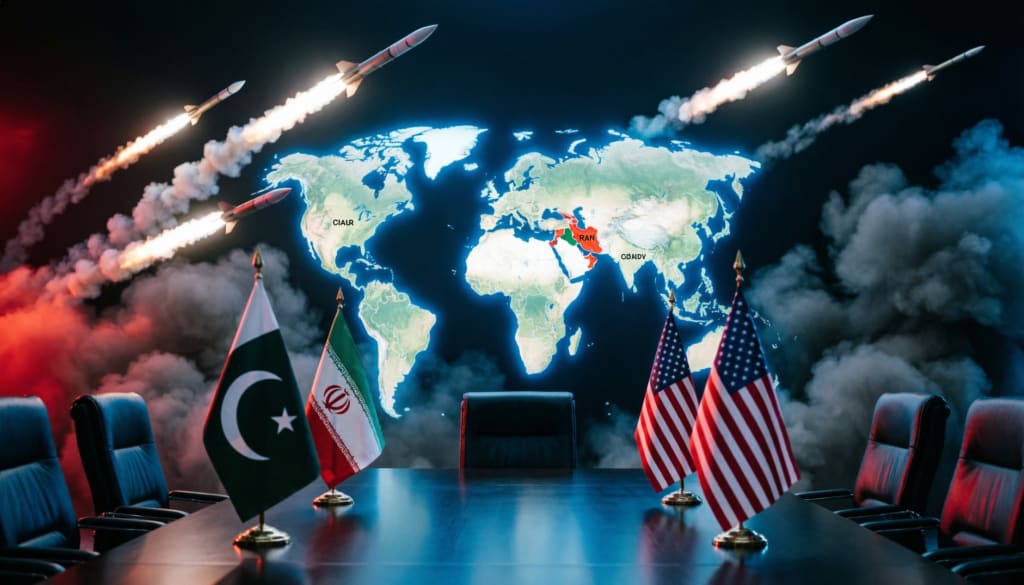
Pakistan Offers to Host Iran-US Talks as Middle East Tensions Rise
Tensions in the Middle East are once again rising as conflict dynamics involving Donald Trump, Iran, and Israel continue to shape global geopolitics. Amid this uncertainty, Pakistan has stepped forward with a diplomatic offer — proposing to host dialogue between the United States and Iran in an effort to reduce tensions and restore regional stability.
This development comes at a time when military escalation, economic pressure, and political rhetoric are creating fears of a broader regional conflict. Reports of infrastructure targeting, energy disruptions, and increased military positioning have intensified concerns that the situation could spiral into a much larger confrontation.
Maximum Pressure Strategy Returns
Donald Trump’s approach toward Iran has historically been centered around "maximum pressure." During his previous administration, sanctions, diplomatic isolation, and military signaling were used to push Iran toward negotiations. Now, similar rhetoric appears to be resurfacing, raising questions about whether the United States may again pursue aggressive economic and strategic measures.
This pressure strategy includes targeting energy infrastructure, financial systems, and international trade connections. Analysts believe that any disruption to Iran’s energy infrastructure could affect global oil markets, leading to wider economic consequences. Such developments would not only impact the Middle East but also influence global financial stability.
Historical Context: 1979 and Jimmy Carter
The current tensions echo past crises, particularly the Iran Hostage Crisis during the presidency of Jimmy Carter. That event marked a turning point in US-Iran relations and led to decades of mistrust.
Since then, diplomatic engagement between Washington and Tehran has been fragile and often interrupted by sanctions, nuclear disputes, and regional conflicts. Today’s geopolitical environment shows similarities — rising mistrust, economic pressure, and military positioning.
Rising Global Power Competition
Experts warn that the conflict may not remain limited to Iran and the United States. Major global powers such as China and Russia are also closely monitoring the situation.
China’s investments in Middle Eastern energy infrastructure and Russia’s strategic alliances add another layer of complexity. If tensions escalate, global superpower competition could intensify, raising concerns about a broader geopolitical confrontation.
Some analysts even warn about the emergence of a new global power cycle similar to post-World War II geopolitical shifts. Rising powers, economic competition, and military alliances may redefine the global balance.
Internal and External Challenges for the United States
In addition to external conflict risks, the United States is also facing internal challenges. Political polarization, economic concerns, immigration debates, and institutional tensions have created domestic pressure.
Organizations such as U.S. Immigration and Customs Enforcement have also become part of broader political debates. Some analysts suggest that internal conflicts could influence foreign policy decisions, especially during election periods.
Financial instability is another concern. Experts warn that global conflict combined with economic pressure could trigger financial crises. This would impact global markets, trade routes, and investment flows.
Pakistan’s Diplomatic Proposal
Pakistan’s leadership has issued a statement welcoming dialogue between the United States and Iran. The statement emphasized that Pakistan is ready and honored to host meaningful talks aimed at achieving a comprehensive settlement.
Pakistan’s strategic position and historical ties with both the United States and Iran make it a potential neutral mediator. Islamabad has previously played diplomatic roles in regional conflicts and maintains working relationships with major powers.
Pakistan’s involvement could also strengthen its diplomatic standing globally. Acting as a peace facilitator may enhance Pakistan’s reputation as a responsible regional stakeholder.
Regional Implications: India, Iran, and Nuclear Concerns
The situation also carries implications for India and regional nuclear dynamics. Rising tensions in the Middle East often influence South Asian geopolitics, especially in matters involving security and alliances.
There are also discussions about nuclear programs and deterrence strategies. Any escalation involving Iran could lead to increased scrutiny of nuclear capabilities in the region.
Pakistan’s role in diplomacy could therefore extend beyond mediation — influencing broader regional stability.
Boots on the Ground? Military Concerns Grow
Reports suggesting possible "boots on the ground" have further heightened fears. Military intervention remains one of the most concerning possibilities, as it could rapidly escalate into a wider conflict.
Observers emphasize that diplomacy remains the best option. Negotiations, confidence-building measures, and de-escalation strategies are critical to avoiding military confrontation.
Waiting for Diplomatic Breakthrough
For now, the world is watching closely. Pakistan’s offer to host talks represents a potential pathway toward peace. Whether the United States and Iran accept this proposal remains uncertain.
However, the stakes are high. Regional stability, global markets, and international security all depend on how this situation unfolds.
If diplomacy succeeds, Pakistan could play a historic role in preventing a major conflict. If tensions escalate, the consequences may extend far beyond the Middle East.
About the Creator
Wings of Time
I'm Wings of Time—a storyteller from Swat, Pakistan. I write immersive, researched tales of war, aviation, and history that bring the past roaring back to life
Keep reading
More stories from Wings of Time and writers in Chapters and other communities.
War in Iran: A Dangerous Turning Point
War in Iran: A Dangerous Turning Point The conflict in Iran has entered one of its most dangerous phases today. What began as targeted military strikes has now transformed into a broader regional crisis, raising fears of prolonged war, economic instability, and global security threats. Governments around the world are watching closely as tensions escalate, missiles continue to fly, and diplomatic efforts struggle to keep pace with fast-moving events.
By Wings of Time 6 days ago in Chapters
The Jungle Ride, Chapter One
“Hey, look! The jungle ride!” sang out Maureen. They’d just rounded the dodgems in the funfair’s roofed-under section, and it came as some surprise to Maureen’s seniors that she should have opted not for these. Her choice by comparison looked the sort of thing she’d have immediately dismissed as kids’ stuff.
By Doc Sherwood4 days ago in Chapters
GRANDMA NELSON
Daddy pulled off the interstate, and I saw the all familiar red barn, and I knew we had arrived at Grandma Nelson's farm. I always had mixed feelings about seeing my Grandmother. It seemed she had as many Grandchildren as the old Mother in the shoe nursery rhyme. I saw her as different, but that is not why I hestiated. The truth be known I always got in trouble at her house, and ended up sitting in the car after I had been scolded.
By Susan Payton5 days ago in Fiction

Comments
There are no comments for this story
Be the first to respond and start the conversation.