
How Do You Measure Success in DeFi Token Marketing Campaigns?
Key Metrics, Community Engagement, and Strategies to Gauge the Impact of Your DeFi Token Campaigns

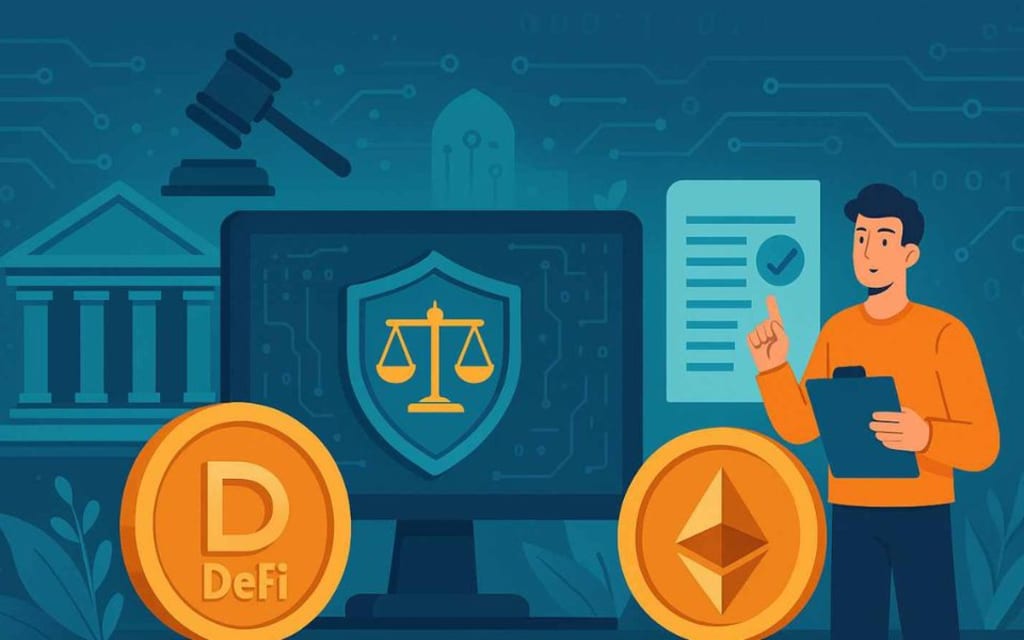
The decentralized finance (DeFi) ecosystem has revolutionized the way financial transactions and investments are conducted. However, launching a DeFi token is only the beginning; marketing it effectively is crucial for adoption, liquidity, and long-term success. Unlike traditional marketing, DeFi marketing demands a precise blend of community engagement, data-driven strategies, and transparency to build trust. Measuring the success of a DeFi token marketing campaign is not just about social media likes or website visits; it encompasses adoption metrics, investor sentiment, liquidity growth, and real-world utility.
Understanding DeFi Token Marketing Goals
Before measuring success, it’s essential to clearly define the goals of your DeFi token marketing campaign. Common objectives include increasing token awareness, growing the community, attracting liquidity, facilitating token adoption, and establishing long-term credibility. Each goal requires specific KPIs to track progress. For example, if the primary goal is community growth, metrics like Telegram or Discord member growth, engagement rates, and retention matter more than trading volume. Clearly defined objectives provide the foundation for accurate measurement.
Tracking Community Engagement Metrics
Community engagement is the lifeblood of any DeFi token marketing campaign. Active communities reflect trust and investor confidence. Metrics to monitor include social media interactions, forum discussions, AMA participation, and content sharing. High engagement rates indicate that your messaging resonates with your audience and encourages organic promotion. Platforms like Twitter, Reddit, and Telegram are often primary indicators of engagement, but tools like Dune Analytics can provide deeper insights into participation patterns.
Monitoring Liquidity and Trading Volume
Liquidity and trading volume are tangible indicators of a token’s market adoption. Increased liquidity often signals growing trust among investors and market participants. Tracking the number of active wallets, daily trading volume, and liquidity pool contributions on decentralized exchanges (DEXs) can provide insights into the campaign’s effectiveness. Sudden spikes in volume can indicate successful promotional campaigns, while stagnation may signal a need to refine marketing strategies.
Measuring Token Holder Growth
Token holder growth is a direct reflection of adoption. Metrics like the number of unique wallet addresses, token distribution across wallets, and concentration of holdings help evaluate campaign success. A healthy token distribution suggests that a wider audience is acquiring the token rather than a few large holders, which also reduces market manipulation risks. DeFi projects often reward early adopters or liquidity providers, and monitoring these patterns provides actionable insights.
Analyzing Website Traffic and Conversion Rates
A DeFi token marketing campaign often drives traffic to project websites, landing pages, or token sale portals. Monitoring website traffic, bounce rates, session duration, and conversion rates is critical for assessing campaign performance. High traffic with low conversion indicates that the marketing messaging may not be aligned with audience expectations. Tools like Google Analytics, Hotjar, or blockchain-specific tracking dashboards can help understand user behavior and optimize campaigns for better results.
Evaluating Social Media Sentiment
Sentiment analysis provides qualitative insights into the perception of your token. Positive sentiment correlates with trust and willingness to invest, whereas negative sentiment can signal emerging concerns. Monitoring comments, mentions, hashtags, and community discussions across platforms like Twitter, Reddit, and Telegram enables marketers to identify trends, address concerns, and pivot messaging when necessary. Tools like LunarCRUSH and Nansen are useful for sentiment tracking in crypto markets.
Assessing Influencer and KOL Impact
Influencers and key opinion leaders (KOLs) play a crucial role in driving awareness and credibility for DeFi tokens. Tracking metrics such as engagement on influencer posts, referral traffic, and conversion rates from influencer campaigns can measure their impact. Not all influencers provide tangible results, so measuring ROI in terms of token acquisition or liquidity growth ensures that marketing budgets are allocated effectively.
Measuring Token Utility and Adoption
Token utility is a core factor in long-term DeFi project success. Campaigns should not only focus on selling a token but also on encouraging real-world usage, such as staking, governance participation, or lending/borrowing. Measuring adoption includes tracking the number of active users utilizing token-based features, voting participation, and transaction frequency. High utility indicates that the token is embedded in its ecosystem and adds intrinsic value beyond speculation.
Evaluating Airdrops and Incentive Campaigns
Airdrops, staking rewards, and incentive programs are common tactics in DeFi marketing. Success metrics for these campaigns include the number of participants, retention rates after incentives end, and the percentage of airdropped tokens actively used rather than immediately sold. Well-structured incentive programs can increase user engagement, liquidity, and long-term retention if measured and optimized effectively.
Tracking Email and Content Marketing Performance
Content marketing remains a strong pillar in DeFi promotion. Email newsletters, blog posts, and educational resources help in community building and investor education. Metrics such as open rates, click-through rates, and engagement on blog content indicate how well your educational campaigns resonate. Engaging content builds trust, reduces information asymmetry, and positions your project as a credible player in the market.
Monitoring Governance Participation
For DeFi projects with governance tokens, the level of participation in governance proposals can reflect both community engagement and trust in the project. Metrics to track include voter turnout, number of proposals submitted, and diversity of participants. Active governance participation indicates that the community is invested in the project’s long-term success rather than just short-term gains.
Analyzing Conversion Funnels
DeFi marketing campaigns often involve multiple touchpoints, from social media to landing pages to wallets. Mapping and analyzing the conversion funnel is essential to identify drop-off points. Metrics to measure include visitor-to-sign-up conversion, sign-up-to-wallet activation, and wallet-to-token acquisition rates. Optimizing the funnel ensures a seamless user journey and maximizes ROI on marketing spend.
Leveraging Analytics Tools for Real-Time Insights
Modern DeFi marketing requires real-time monitoring. Platforms like Dune Analytics, Nansen, and Glassnode provide granular blockchain insights, while social media dashboards track community engagement. Real-time data allows marketers to adjust strategies quickly, respond to market trends, and measure campaign performance continuously. Integrating analytics tools into your marketing workflow is no longer optional it’s a necessity.
Understanding ROI in DeFi Marketing Campaigns
Return on investment (ROI) in DeFi marketing extends beyond financial metrics. While token sales and liquidity provide direct monetary indicators, indirect metrics like community growth, sentiment, and token utility contribute to long-term ROI. Calculating ROI requires aligning campaign costs with tangible and intangible benefits, such as increased brand trust, adoption, and market presence.
Benchmarking Against Competitors
Benchmarking your token’s performance against competitors provides context for measuring success. Metrics to compare include social media engagement, token adoption rates, liquidity pool growth, and investor sentiment. Understanding where your token stands relative to similar projects highlights areas for improvement and helps refine marketing strategies.
Adapting Campaigns Based on Data
Data-driven marketing is central to DeFi success. Continuously analyzing campaign metrics and user behavior allows marketers to iterate strategies in real-time. Adjustments might include targeting different communities, tweaking messaging, modifying incentives, or exploring new promotional channels. Campaigns that adapt to data insights outperform static strategies in the highly dynamic DeFi ecosystem.
Incorporating Feedback Loops
Community feedback is invaluable for evaluating the effectiveness of marketing campaigns. Listening to community concerns, suggestions, and criticisms provides qualitative insights that metrics alone cannot capture. Incorporating feedback loops through AMAs, surveys, and polls allows projects to refine campaigns, improve user experience, and maintain long-term engagement.
Evaluating Cross-Platform Campaign Effectiveness
DeFi marketing is inherently multi-channel, spanning social media, influencer networks, forums, email campaigns, and content platforms. Measuring cross-platform effectiveness requires comparing engagement, conversion, and sentiment across channels. Identifying which channels provide the best ROI helps allocate resources efficiently and maximizes overall campaign performance.
Tracking Retention and Long-Term Engagement
Short-term spikes in token adoption or liquidity do not guarantee sustainable success. Retention metrics, such as repeat interactions, staking continuation, and governance participation over time, provide insights into the campaign’s long-term effectiveness. High retention indicates a loyal community and sustainable token economy, while low retention may signal hype-driven interest that could fade quickly.
Learning from Failed Campaigns
Not every DeFi marketing campaign achieves its intended goals. Analyzing failures can provide critical insights into audience behavior, messaging misalignment, or incentive inefficiencies. Documenting lessons learned, reviewing metrics, and implementing corrective actions ensures that subsequent campaigns are more effective and avoid repeating the same mistakes.
Integrating Traditional and Community-Driven Strategies
While DeFi is decentralized, traditional marketing principles still apply. Balancing paid ads, PR coverage, and media outreach with community-driven campaigns like airdrops, AMAs, and grassroots engagement ensures a holistic approach. Measuring the relative impact of each approach on adoption, liquidity, and community sentiment allows marketers to optimize strategies for maximum impact.
Conclusion
Measuring success in DeFi token marketing campaigns is far more complex than counting likes or impressions. It requires a comprehensive approach that blends quantitative metrics liquidity, adoption, conversions with qualitative insights like sentiment, community engagement, and utility. Projects that define clear goals, leverage real-time analytics, monitor multiple KPIs, and adapt strategies based on data are most likely to achieve long-term success. In an ecosystem defined by decentralization, trust, and innovation, accurate measurement ensures that marketing efforts not only attract attention but also build sustainable value for the token and its community.
About the Creator
Jack santo
I am a Blockchain, Crypto, NFT, Metaverse, etc., enthusiast.
Keep reading
More stories from Jack santo and writers in 01 and other communities.
What Are the Latest Web3 Marketing Plans Driving Growth?
The Web3 ecosystem has entered a new phase of maturity where marketing is no longer driven by hype alone but by measurable growth, real user adoption, and long-term value creation. As blockchain, AI, and decentralized technologies evolve, marketing strategies are also undergoing a major transformation. Projects today are shifting from short-lived token promotions to sustainable, data-driven, and community-centric marketing plans that align with real utility and user engagement.
By Jack santo14 days ago in 01
From Request to Route: Building Smart Pickup and Delivery Apps
In today’s digital-first economy, convenience has become the cornerstone of customer expectations. People want services that are fast, reliable, and accessible at any time. This demand has led to the rapid growth of pickup and delivery applications, which are transforming how businesses handle logistics and how customers receive goods and services.
By Nayel Basim Al Shehhiabout 20 hours ago in 01
What is AI?
Created with the help of ChatGPT and Grok AI. What Is AI? A Clear, No-Nonsense Guide to Artificial Intelligence Artificial intelligence is everywhere right now—powering search engines, writing content, recommending what you watch, and even helping doctors diagnose disease. Yet despite how often we hear about it, most people still aren’t entirely sure what AI actually is.
By Sandy Rowley2 days ago in 01




Comments
There are no comments for this story
Be the first to respond and start the conversation.