
Felt Flowers: A Sustainable Craft Blossoming with Purpose
Eco-Friendly Blooms for a Greener Future
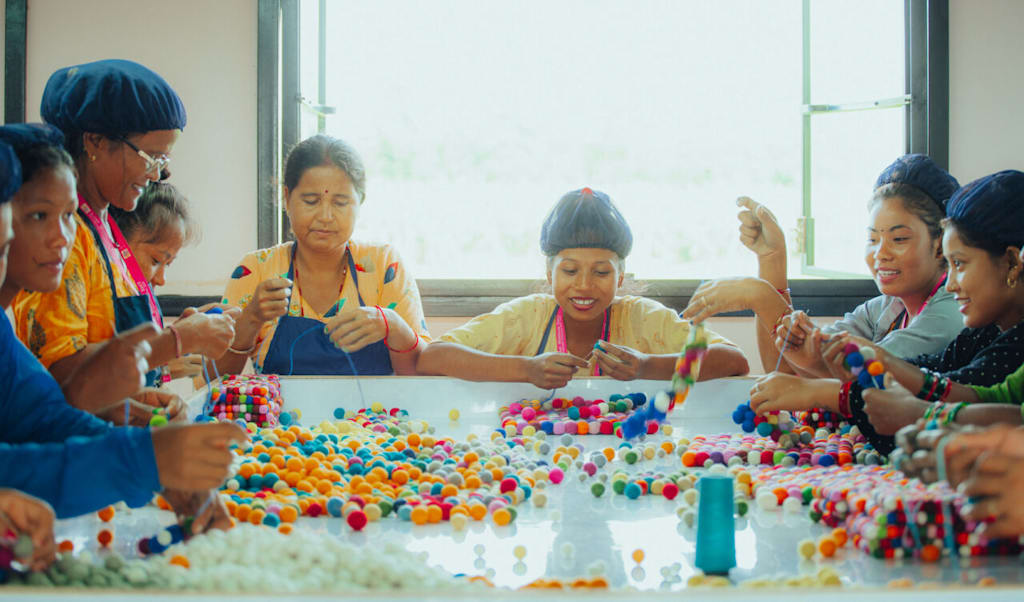
Felt flowers have quietly grown into one of the most beautiful and eco-conscious alternatives to fresh and plastic flowers. Whether used for home décor, weddings, gifts, or creative expression, these soft, handcrafted blooms are more than just visually appealing—they carry a meaningful environmental story.
In a world increasingly concerned with sustainability, felt flowers offer a refreshing solution. They combine artistry, durability, and environmental responsibility in a way that traditional floral arrangements often cannot. This blog explores felt flowers in depth, including how they are made, their environmental impact, their benefits, and why they are becoming a preferred choice for conscious consumers.
What Are Felt Flowers?
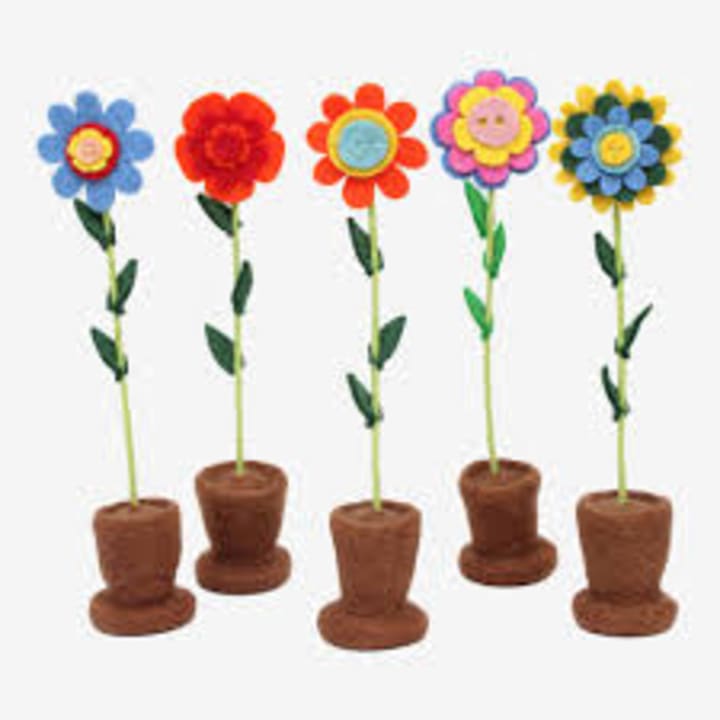
Felt flowers are handmade decorative flowers crafted from felt fabric, which is typically made from natural wool or synthetic fibers. Wool felt, in particular, is highly valued for its softness, durability, and eco-friendly properties.
Unlike real flowers, felt flowers do not wilt, require water, or depend on seasonal availability. They can be shaped into roses, daisies, tulips, sunflowers, and countless other designs, often with remarkable realism.
Artisans use techniques like cutting, rolling, stitching, and needle felting to create these blooms. Each flower is a small piece of art, often made by hand, making every piece unique.
The Environmental Impact of Traditional Flowers
Before understanding why felt flowers are sustainable, it's important to consider the environmental cost of traditional flowers.
1. High Water Usage
Fresh flowers require significant amounts of water to grow, especially when cultivated on a large scale. In regions already facing water scarcity, this can put pressure on local resources.
2. Chemical Fertilizers and Pesticides
Commercial flower farming often relies heavily on fertilizers and pesticides. These chemicals can harm soil health, pollute water systems, and negatively impact biodiversity.
3. Carbon Footprint from Transportation
Many flowers sold in markets are imported from other countries. They are transported via air freight, which contributes significantly to greenhouse gas emissions.
4. Short Lifespan and Waste
Fresh flowers typically last only a few days to a week. Once they wilt, they are discarded, contributing to organic waste.
5. Plastic Packaging
Bouquets are often wrapped in plastic and other non-biodegradable materials, adding to environmental pollution.
Why Felt Flowers Are an Eco-Friendly Alternative
Felt flowers address many of the environmental concerns associated with traditional flowers.
1. Long-Lasting and Reusable
One of the biggest advantages of felt flowers is their durability. A single felt bouquet can last for years without losing its beauty. This reduces the need for frequent replacements and minimizes waste.
2. Sustainable Materials
When made from natural wool, felt is biodegradable and renewable. Wool is a natural fiber obtained from sheep and can be processed with minimal environmental impact when done responsibly.
3. Low Water Consumption
Unlike fresh flowers, felt flowers require no water for maintenance. Even during production, the water usage is significantly lower compared to large-scale flower farming.
4. Minimal Chemical Use
Handmade felt flowers often avoid the heavy use of harmful chemicals. Natural dyes and eco-friendly processes are commonly used, especially by ethical artisans.
5. Reduced Carbon Footprint
Felt flowers are typically made locally or in small-scale workshops. This reduces the need for long-distance transportation and lowers carbon emissions.
6. Less Waste Generation
Because they are reusable and durable, felt flowers significantly reduce waste. Even production scraps can often be reused for smaller crafts.
The Craftsmanship Behind Felt Flowers
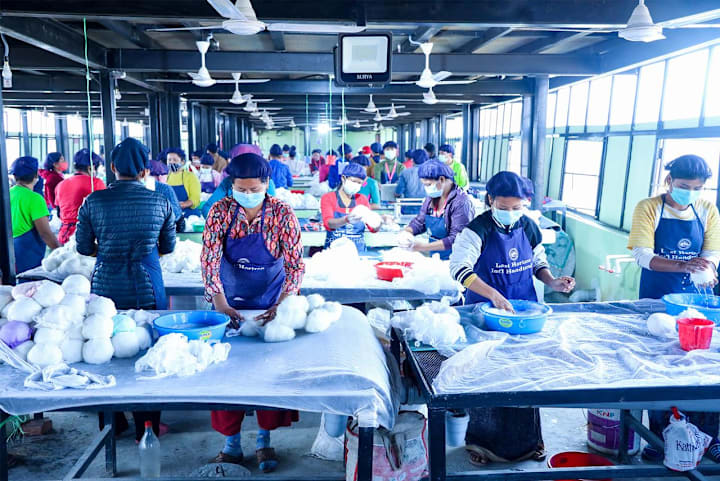
Creating felt flowers is a labor of love. Skilled artisans carefully design and assemble each petal to replicate the beauty of real flowers.
Handmade Process
The process usually involves:
- Cutting felt into petal shapes
- Dyeing or selecting colored felt
- Stitching or gluing petals together
- Adding stems and finishing touches
Supporting Artisans and Communities
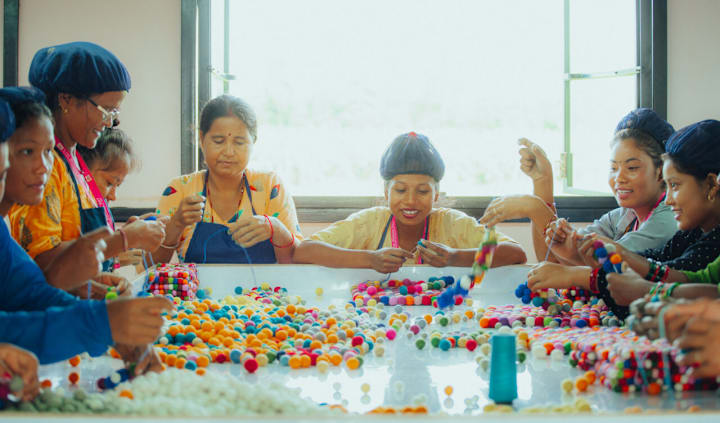
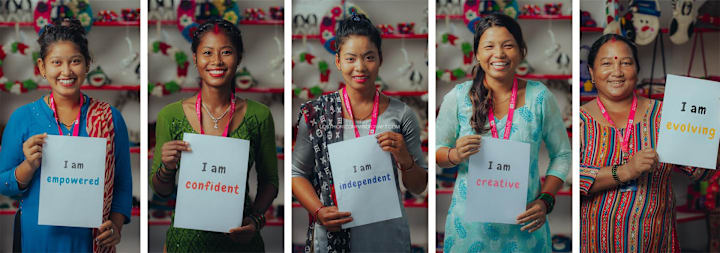
Many felt products are handmade by artisans in developing regions. By purchasing felt flowers, consumers often support fair trade practices and help sustain traditional craftsmanship.
This makes felt flowers not only environmentally friendly but also socially responsible.
Popular Uses of Felt Flowers
Felt flowers are incredibly versatile and can be used in a variety of ways:
1. Home Décor
They add a cozy, handmade touch to living spaces. Felt flower arrangements can brighten rooms without the need for maintenance.
2. Weddings and Events
More couples are choosing felt flowers for bouquets, centerpieces, and decorations. They can be customized to match themes and kept as keepsakes.
3. Gifts
Felt flowers make thoughtful, long-lasting gifts. Unlike fresh flowers, they serve as a permanent reminder of special moments.
4. Accessories
They are used in hair clips, brooches, and bags, adding a unique and artistic flair.
5. Seasonal Decorations
Felt flowers can be crafted into wreaths and ornaments for holidays and celebrations.
Felt Flowers vs Artificial Plastic Flowers
While plastic flowers may seem similar in durability, they are far less sustainable.
- Plastic flowers are made from petroleum-based materials
- They are non-biodegradable
- Their production involves harmful chemicals
- They contribute to long-term environmental pollution
Felt flowers, especially those made from wool, are a much greener alternative.
Care and Maintenance of Felt Flowers
Felt flowers are easy to care for:
- Keep them away from excessive moisture
- Gently dust them using a soft brush or cloth
- Store them in a dry place when not in use
With minimal care, they can last for many years.
The Growing Popularity of Sustainable Crafts
As awareness about environmental issues grows, more people are turning toward sustainable products. Felt flowers represent a shift toward mindful consumption—choosing items that are both beautiful and responsible.
They align with the values of eco-conscious living, minimalism, and support for handmade goods.
Conclusion: Beauty with Responsibility
Felt flowers are more than just decorative items—they are a symbol of sustainable living. By choosing felt over fresh or plastic flowers, individuals can reduce waste, lower their environmental footprint, and support traditional craftsmanship.
Their durability, versatility, and eco-friendly nature make them an ideal choice for modern consumers who care about the planet.
About the Creator
Michael Philips
Helo I am Michael Philips working as a import export cordinator.
Keep reading
More stories from Michael Philips and writers in 01 and other communities.
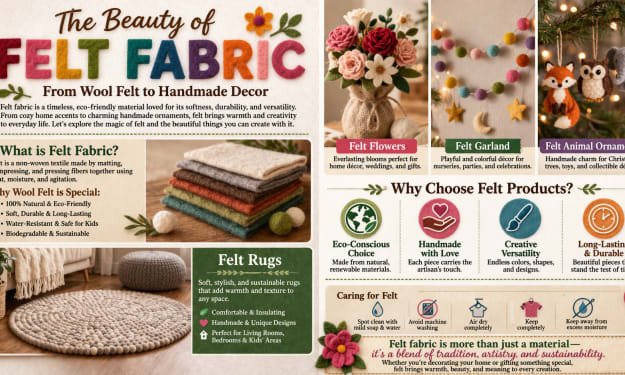
The Beauty of Felt Fabric: From Wool Felt to Handmade Decor
Felt fabric is one of the oldest and most versatile textiles in the world, yet it continues to capture hearts in modern homes, crafts, and décor. Whether it’s cozy wool felt, delicate felt flowers, or charming felt animal ornaments, this timeless material blends tradition with creativity in the most beautiful way.
By Michael Philips6 days ago in 01
Watania: A Quiet Presence Across the UAE
There is a question that sits underneath most conversations about financial protection, even if it rarely gets asked directly: who actually benefits from this arrangement? In conventional models, the answer is often the company. In takaful, the answer is supposed to be everyone involved. That distinction — simple in theory, demanding in practice — is what Watania Takaful has built its entire identity around.
By Mathew Davis6 days ago in 01
Ghostly Happenings in Colorado
Disturbed Spirits In Denver, an expanse of greenery, Cheesman Park comes with a macabre history since it was once a burial ground known as Mount Prospect Cemetery established by General William Larimer in 1858. The job of exhuming bodies began, and some were left behind resting beneath the park. However, the ghostly spirits don’t wish to rest in peace beneath the park, and visitors here have felt cold touches, seen ghostly children playing at night, and heard a singing lady who disappears when approached.
By Rasma Raisters5 days ago in Horror



Comments
There are no comments for this story
Be the first to respond and start the conversation.