
Choose the Best UI/UX Company for AI Products
How intelligent interface design solves product adoption challenges for modern software teams.

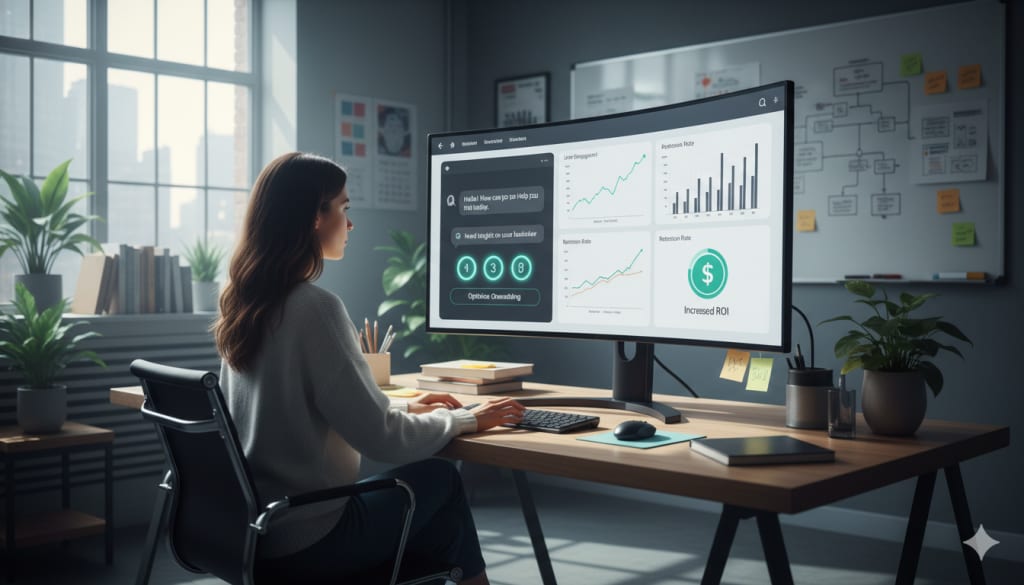
Software companies invest millions of dollars in building powerful artificial intelligence models. However, users often abandon these new tools within the first week. They abandon them because the interface confuses them. A complex algorithm holds no value if a human cannot operate it easily.
To achieve high product adoption, software development teams must prioritize the user interface. Finding the best UI/UX company prevents product failure. These specialized firms build clear, predictable interfaces for unpredictable AI systems.
The Unique Challenge of AI UX Design
Traditional software relies on static menus. A user clicks a button, and the software executes a specific, predictable action. Artificial intelligence changes this interaction entirely. An AI model generates new, unpredictable responses every time a user inputs a prompt. This open-ended system intimidates new users.
Executing UX design for AI products requires a completely new approach. Designers must guide the user through the process. They must show the user exactly what the AI can do and what it cannot do. If an application uses a blank text box, the user stares at the screen. They do not know what commands the system understands. Good AI UX design replaces the blank text box with context. It offers suggested prompts. It provides a list of recent successful queries. This immediate guidance removes the user's hesitation.
Establishing Trust Through Transparency
Users distrust artificial intelligence naturally. They worry the system will make a mistake. They worry it will delete important data or generate false information. Good design builds trust through transparency. The interface must explain the machine's logic to the human operator.
If an AI financial tool recommends buying a specific stock, the interface must display the data sources supporting that recommendation. It must show the math. The Nielsen Norman Group identifies this shift as a transition from command-based interaction to intent-based interaction. Users state their goal, and the system executes it. The interface must confirm that the system understood the intent correctly before taking a permanent action. Designers build confirmation screens that force the user to review the AI's plan before the system spends money or sends an email.
Applying AI UI/UX Design Strategies
Specialized design teams use specific AI UI/UX design strategies to reduce user anxiety. They build feedback loops directly into the screen. The user clicks a simple "thumbs up" or "thumbs down" icon next to the AI's answer. This action trains the model. It also gives humans a sense of control over the machine.
These teams also focus heavily on interactive experience design. They study how humans physically interact with different inputs. A user typing on a keyboard requires a different interface than a user speaking into a mobile phone. The design must accommodate voice commands, text inputs, and visual gestures seamlessly. The system must switch between these inputs without dropping the context of the user's task.
The Role of AI-Powered Design Tools
The design process itself now utilizes artificial intelligence. Designers use AI-powered design tools to generate multiple layout options in seconds. They test these layouts rapidly with real users. This speed allows teams to find the most effective interface faster than ever before.
The technology automates the repetitive tasks of resizing buttons and checking color contrast. The system flags accessibility errors automatically. This ensures the software meets legal standards for visually impaired users. The human designer then focuses entirely on the cognitive psychology of the user. This division of labor drives rapid UI/UX innovation across the software industry. It allows human designers to solve complex workflow problems instead of aligning pixels.
Selecting a Partner for Digital Experience Consulting
Most software engineering teams focus on backend code. They build secure databases and fast algorithms. They often struggle to translate complex data into a clean visual interface. They hire external experts for digital experience consulting and solutions to bridge this gap.
These agencies specialize in human-computer interaction. Companies like ViitorCloud are helping businesses solve this problem by delivering comprehensive AI-powered digital experience solutions. They align the backend data architecture with a highly intuitive front-end interface. They ensure the AI model communicates its findings clearly to the human user. They handle the intricacies of AI system integration so the final product feels simple and accessible.
The Human Impact of Intelligent Interfaces
Technology must serve the human operator. A poorly designed AI tool increases cognitive load. The user spends more time managing the software than doing their actual work. This causes stress and eventual product abandonment.
A well-designed AI interface reduces cognitive load. It anticipates the user's needs. A doctor using an AI diagnostic tool sees the most relevant patient history highlighted automatically on the screen. The doctor avoids scrolling through hundreds of pages of digital medical records. The interface saves the doctor time. The doctor spends the time he saved speaking directly with the patient. The technology handles the data retrieval, and the human handles the empathy and final decision-making.
Conclusion
Building the algorithm represents only the first step in software development. The success of the product depends entirely on the human experience. Organizations must choose a design partner that understands the unique complexities of artificial intelligence. The right interface transforms a confusing algorithm into a valuable, daily tool. It ensures the technology empowers the user to work faster, safer, and with complete confidence.
About the Creator
ViitorCloud Technologies
As a leading software development company, we’ve empowered 500+ startups, SMBs, and enterprises to transform their operations. Upgrade your business with our AI-First Software and Platforms that automate and scale, keeping you future-ready.
Keep reading
More stories from ViitorCloud Technologies and writers in 01 and other communities.
How Immersive Technologies Are Transforming Cultural Storytelling
Cultural institutions preserve human history. In the past, they presented this history through static objects. Curators placed historical artifacts inside glass display cases. They attached small printed cards to the walls. Visitors walked through the rooms and read the text. This method relies entirely on a visitor's reading comprehension. It requires high concentration.
By ViitorCloud Technologies12 days ago in 01
Custom Behavioral Health Software Development: Transforming Mental Healthcare Delivery
Behavioral health services are undergoing a significant transformation as technology becomes deeply embedded in care delivery. From therapy management platforms to AI-driven mental health monitoring tools, digital innovation is helping providers deliver more accessible and efficient care. At the center of this transformation lies custom behavioral health software development, enabling organizations to build solutions that align precisely with patient needs, clinical workflows, and regulatory requirements.
By Steve Waugha day ago in 01
Side Quest Goal Achieved: Placing an Alien Claim
This is a post that has me quite ecstatic. It's funny, I thought it was going to be one of my usual, "Hey, I achieved another one of my goals and checked it off" type deals. And it sort of is. But it sort of isn't. And it's also one of my greatest writing accomplishments of late.
By Stephen Kramer Avitabile4 days ago in Writers




Comments
There are no comments for this story
Be the first to respond and start the conversation.